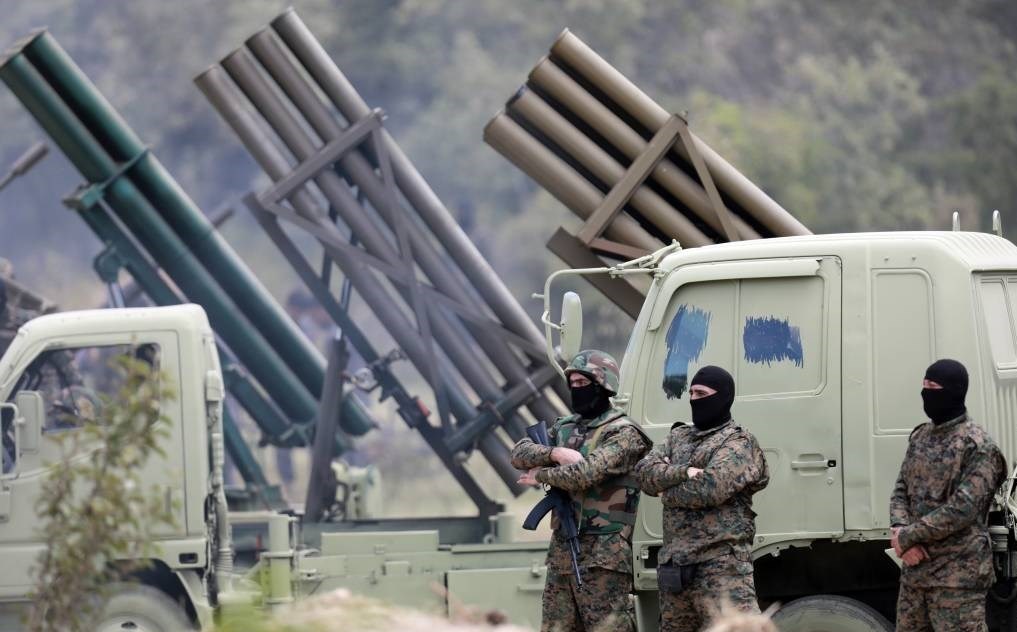
Hezbollah Drone Alerts Raise Tensions in Northern Israel
On the morning of 13 May, drone alerts linked to Hezbollah activity sounded in northeastern Israel. The incident reflects continuing volatility along the Israel–Lebanon frontier as cross-border exchanges persist.
Key Takeaways
- Drone alerts associated with Hezbollah were reported in northeastern Israel around 04:57 UTC on 13 May.
- The incident underscores ongoing low-intensity conflict dynamics along the Israel–Lebanon border.
- UAV activity adds to existing risks of miscalculation and rapid escalation in the northern theater.
- Both sides are leveraging drones for reconnaissance and strike roles in a contested airspace.
At approximately 04:57 UTC on 13 May 2026, alerts were issued in northeastern Israel in response to suspected drone activity attributed to Hezbollah. While immediate details on the number of drones, their payloads, or any resulting damage were not provided, the alarms indicate a continuing pattern of UAV-related incidents along Israel’s northern frontier.
Since the outbreak of renewed hostilities in the region, Hezbollah has increasingly employed drones for surveillance and, at times, attack missions targeting Israeli military positions, observation posts, and infrastructure near the border. Israel, for its part, has invested heavily in multi-layered air defenses and counter-UAV systems designed to detect and engage such threats, including in the Golan Heights and Galilee areas.
Key players in this incident are Hezbollah’s military wing, which controls the group’s UAV assets, and the Israel Defense Forces (IDF), particularly its air-defense and Northern Command units. The alerts reflect both sides’ competing efforts to gain situational awareness and tactical advantage in a crowded and contested airspace, where even small drones can have outsized psychological and operational effects.
The significance of the 13 May alerts lies in the broader context of persistent, low to medium-intensity confrontation between Israel and Hezbollah. Drone incursions challenge Israel’s deterrence posture and test its detection and interception capabilities. They also create pressure on the IDF to respond, either kinetically against launch sites or by escalating strikes deeper into Lebanese territory, which in turn risks provoking wider retaliation from Hezbollah.
For Lebanese authorities and civilians in southern Lebanon, increased UAV activity translates into heightened risk of Israeli air or artillery responses, often in proximity to populated areas. For residents of northern Israel, recurring alerts contribute to a climate of insecurity and can disrupt daily life, particularly in border communities that have already faced sporadic rocket and missile fire.
Regionally, intensified Israel–Hezbollah friction raises concerns about a larger multi-front confrontation involving other aligned groups. Iran’s support to Hezbollah’s drone and missile programs is a critical backdrop, and Tehran may view UAV operations as a cost-effective means of maintaining pressure on Israel without triggering full-scale war.
Outlook & Way Forward
In the immediate future, similar drone alerts are likely to remain a regular feature along the Israel–Lebanon border. The IDF will continue to refine its layered air-defense posture, potentially deploying additional sensors and short-range interception systems to plug remaining gaps. Hezbollah may attempt to improve the stealth, altitude, or flight patterns of its drones to evade detection and test Israeli responses.
The principal risk is that one such incident results in significant casualties or damage, prompting a disproportionate retaliatory strike and rapid escalation. Analysts should monitor for confirmed drone shootdowns, cross-border casualties, or strikes on high-value assets, which would indicate an uptick beyond routine tit-for-tat actions. Diplomatic signaling by key external actors—particularly the United States, France, and regional mediators—will also be important indicators of concern about escalation.
Over the longer term, the normalization of UAV use in this theater suggests that any eventual de-escalation arrangement will need to address not only rockets and missiles but also drones and electronic warfare. Confidence-building measures, such as tacit understandings on no-fly zones or deconfliction channels, may be explored but will be difficult to formalize given Hezbollah’s status and the broader regional struggle between Iran and Israel. Continued monitoring of Hezbollah’s drone inventory, technological sophistication, and launch patterns will be essential to assessing the trajectory of risk in northern Israel.
Sources
- OSINT