Hezbollah Rocket and Drone Alerts Signal Elevated Tension With Israel
Warning systems in northern and northeastern Israel reported Hezbollah-related rocket and drone alerts on the morning of 13 May. The incidents, logged between roughly 04:57 and 06:13 UTC, highlight persistent cross-border friction along the Lebanon-Israel frontier.
Key Takeaways
- On 13 May 2026, alerts for Hezbollah rocket fire and drones were reported in northern and northeastern Israel.
- The incidents occurred in the morning hours, around 04:57–06:13 UTC, indicating ongoing cross-border hostilities.
- These alerts reflect a pattern of low-to-medium intensity exchanges between Israel and Hezbollah since the escalation of regional tensions.
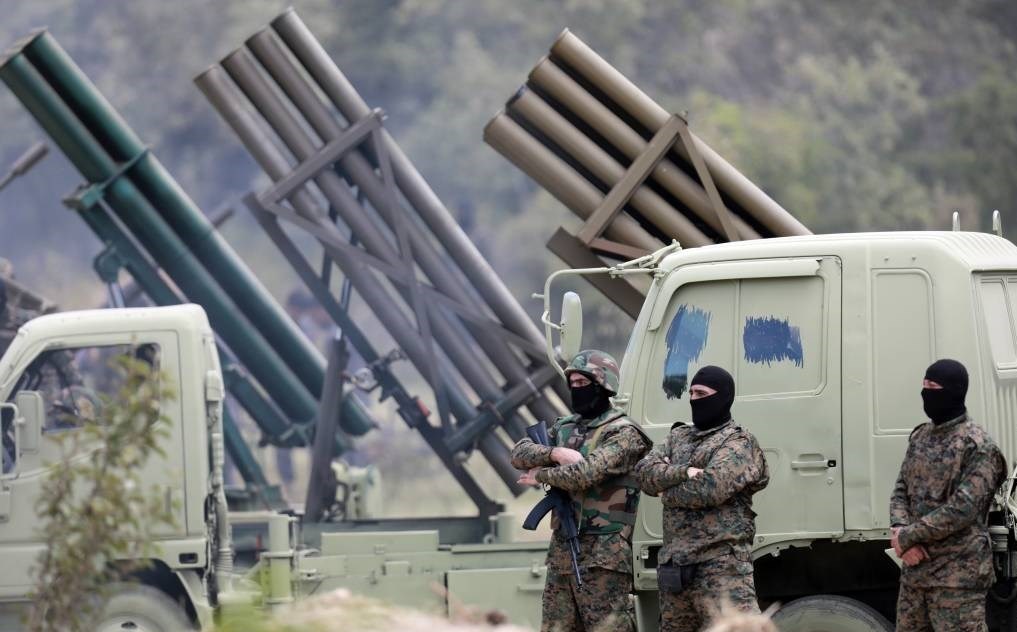
On the morning of 13 May 2026, Israeli warning systems reported alerts for Hezbollah rocket launches and drone activity affecting northern and northeastern areas of the country. Initial reports noted Hezbollah drone alerts in northeastern Israel around 04:57 UTC, followed by rocket alerts in the north around 06:13 UTC. Details on specific impact sites or casualties were not immediately available, suggesting that some of the threats may have been intercepted or landed in open areas.
The alerts are part of a broader pattern of sustained, though managed, confrontation along the Israel-Lebanon border. Since the uptick in regional tensions linked to conflicts involving Iran-aligned groups, Hezbollah has periodically launched rockets, anti-tank missiles and drones toward Israeli territory, while Israel has conducted air and artillery strikes on Hezbollah positions and infrastructure in southern Lebanon and, occasionally, deeper into Lebanese territory.
Key actors in this dynamic are Hezbollah, supported and supplied by Iran, and the Israel Defense Forces (IDF), which maintain extensive surveillance, air defense and ground forces along the northern frontier. Civilian populations in northern Israel and southern Lebanon are directly exposed to the risk of escalation, with communities on both sides periodically evacuating or sheltering during flare-ups.
The significance of these latest alerts lies less in their isolated tactical impact and more in what they signal about the current trajectory of the conflict. Regular rocket and drone incidents increase the risk of miscalculation, particularly if a strike causes significant casualties or targets high-value assets. Hezbollah’s use of drones—whether for reconnaissance or attack—poses an evolving challenge for Israeli air defenses already tasked with countering rockets and missiles.
Regionally, the Lebanon-Israel front represents one of the most likely flashpoints for a broader confrontation involving Iran and potentially drawing in other regional and global actors. Each incident tests the rules of engagement and crisis-management mechanisms that have so far kept clashes below the threshold of full-scale war. The alerts reported on 13 May suggest that neither side is currently seeking de-escalation to a full ceasefire; rather, they continue to engage in calibrated signaling and attrition.
For international stakeholders, continued instability along this border complicates efforts to manage other regional crises and raises concerns about the security of critical infrastructure in both Israel and Lebanon. It also stresses already fragile Lebanese state institutions and exacerbates humanitarian pressures in southern Lebanon, where many communities host displaced persons and contend with economic collapse.
Outlook & Way Forward
In the short term, further rounds of rocket and drone activity along the northern Israeli border are likely, as Hezbollah and Israel adjust their tactics and test each other’s red lines. The IDF can be expected to respond to any confirmed launches with targeted strikes on launch sites, storage facilities or observation posts in southern Lebanon, aiming to deter further attacks while avoiding civilian casualties that could prompt larger escalations.
Hezbollah will likely continue using limited rocket and drone incidents to maintain pressure, demonstrate relevance to its domestic and regional audiences and signal alignment with broader Iran-led regional objectives. However, it has strong incentives to avoid a full-scale war that could devastate Lebanon’s already fragile infrastructure and social fabric.
Over the medium term, the stability of this front will depend on developments in other theaters, particularly any shifts in Iran’s confrontation with the United States and Israel, as well as internal Lebanese political dynamics. Confidence-building steps—such as indirect understandings on targeting thresholds or back-channel communications—could help prevent miscalculations, but formal agreements remain unlikely in the current climate. Observers should monitor casualty levels, the types of munitions used (e.g., shifts to more precise or longer-range systems) and any indications of broader mobilization on either side as potential harbingers of a move from controlled confrontation toward a more expansive conflict.
Sources
- OSINT