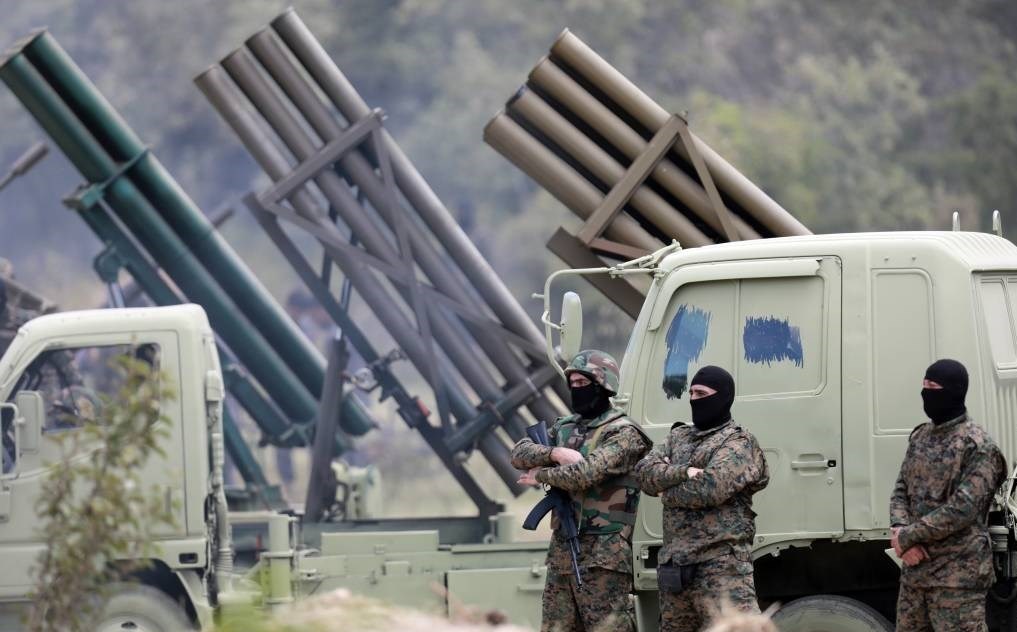
Hezbollah Drone Alerts Reported in Northeastern Israel
On the morning of 13 May 2026, authorities issued drone alerts in northeastern Israel attributed to Hezbollah activity. The incident underscores ongoing low-intensity cross-border tensions along the Israel–Lebanon frontier.
Key Takeaways
- Drone alerts were reported in northeastern Israel on 13 May 2026, linked to suspected Hezbollah UAV activity.
- The incident fits a pattern of recurrent, limited cross-border exchanges and aerial incursions since the escalation of regional tensions.
- While no immediate major damage was reported, such events keep the risk of broader escalation elevated.
- Israel’s response posture to UAV incursions remains a key variable for regional stability, especially along the northern front.
At approximately 04:57 UTC on 13 May 2026, reports indicated new drone alerts in northeastern Israel attributed to Hezbollah. Local warning systems were triggered in areas near the Lebanon border as authorities assessed a potential unmanned aerial vehicle incursion from Lebanese territory. Immediate details on whether drones successfully penetrated Israeli airspace or were intercepted before causing damage were not provided, but no major impacts had been reported by the time of the initial alert.
Hezbollah, the Lebanese Shiite movement and armed group backed by Iran, has significantly expanded its UAV capabilities over the past decade. It has employed drones for reconnaissance, psychological operations, and occasional strike missions against Israeli military infrastructure. Israel, for its part, has invested heavily in multi-layered air-defense systems capable of engaging rockets, missiles and drones, including along its northern frontier.
The key actors in this incident are Hezbollah’s military wing and the Israel Defense Forces (IDF), particularly air-defense units tasked with monitoring and responding to aerial threats. Drone alerts trigger a well-established response chain that may include scrambling aircraft, activating ground-based interceptors and temporarily restricting civilian activity in exposed areas. The alerts themselves carry psychological and political weight, signaling to domestic audiences that the border remains volatile.
This event fits into a broader context of persistent low-intensity clashes and signaling between Israel and Hezbollah. Since regional tensions escalated due to conflicts involving Iran-linked groups, there have been recurring rocket launches, artillery exchanges and UAV incidents along the Israel–Lebanon border. Each episode, even when contained, adds friction and raises the risk of miscalculation.
The importance of the latest drone alerts lies less in the immediate material damage—which appears limited or absent—and more in the cumulative effect of such actions. Hezbollah’s continued use or threatened use of drones demonstrates its ability to challenge Israeli airspace and impose security costs, even without large salvoes of rockets. For Israel, any indication of improving Hezbollah UAV capabilities could prompt shifts in defense posture, including increased air patrols, changes in rules of engagement, and potentially pre‑emptive strikes on suspected launch or storage sites.
Regionally, these incidents test the limits of deterrence between Israel and the Iran‑backed axis. They occur against the backdrop of wider tensions involving Iran’s nuclear program, conflicts in Lebanon and Syria, and periodic flare‑ups in Gaza. An overreaction or misinterpretation by either side could quickly transform a minor drone event into a broader confrontation involving artillery and missile exchanges, with significant implications for civilians on both sides of the border and for regional markets.
International stakeholders, including the United States, European states and the UN, have an interest in keeping the Israel–Lebanon front from sliding into open conflict. They will watch closely for any sign that these drone alerts coincide with shifts in Hezbollah’s ground posture, such as movement of anti-tank units or rocket forces toward the border, or comparable Israeli moves to mass forces in the north.
Outlook & Way Forward
In the short term, Israel is expected to maintain heightened surveillance and air-defense readiness in the north, particularly following new drone alerts. If the incident is confirmed as a Hezbollah UAV probe, the IDF may respond with limited retaliatory actions—such as strikes on suspected launch sites or infrastructure in southern Lebanon—calibrated to send a deterrent message without triggering full-scale escalation.
Hezbollah, for its part, is likely to continue periodic UAV activity as a tool of pressure and signaling, balancing its desire to demonstrate resistance capabilities with the need to avoid provoking a devastating Israeli response. Its decision-making will be closely linked to Iran’s broader regional strategy and to domestic Lebanese political considerations, including public tolerance for renewed conflict.
The key variables to watch include the frequency and sophistication of future drone incursions, the scale and immediacy of Israeli retaliatory measures, and any concurrent diplomatic activity aimed at de‑escalation—such as messages relayed via third parties. A shift from isolated alerts to confirmed UAV strikes causing casualties or serious infrastructure damage would mark a dangerous inflection point, increasing the likelihood that both sides feel compelled to escalate beyond current, contained levels of confrontation.
Sources
- OSINT