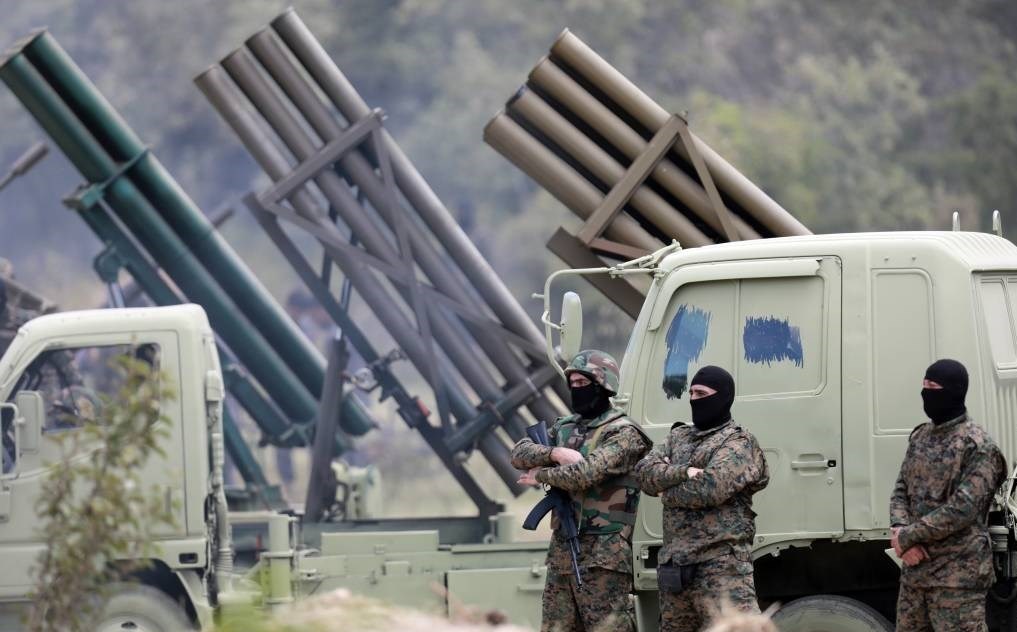
Hezbollah Drone Alerts Sound in Northeastern Israel
On the morning of 13 May 2026, drone infiltration alerts linked to Hezbollah activity were reported in northeastern Israel near the Lebanese border. The incident highlights ongoing cross-border tensions and the growing use of UAVs in the Israel–Hezbollah standoff.
Key Takeaways
- Drone-related alerts associated with Hezbollah activity were reported in northeastern Israel on 13 May.
- The incident underscores persistent cross-border friction along the Israel–Lebanon frontier.
- UAVs have become a key tool for reconnaissance and potential strikes in the Israel–Hezbollah confrontation.
- The alerts may signal ongoing probing of Israeli air defenses and surveillance of border positions.
On 13 May 2026, reports emerged of drone alerts in northeastern Israel attributed to Hezbollah activity originating from Lebanon. The alerts, issued in the morning hours, indicated a suspected UAV intrusion or attempted intrusion into Israeli airspace along the northern border. While immediate details on any shootdowns or impacts were not provided in the initial reporting, the incident fits a pattern of recurrent drone-related tensions between Israel and the Lebanese Shi’a militant group.
The Israel–Hezbollah front has seen intermittent exchanges of fire, localized escalations, and covert operations for years, with periodic spikes tied to broader regional developments. In recent months, both sides have increasingly turned to unmanned aerial platforms to conduct surveillance, test defenses, and—in some cases—deliver munitions. Hezbollah has publicly showcased its drone capabilities, including reconnaissance and loitering systems, some believed to be supplied or supported by Iran.
Northeastern Israel, adjacent to southern Lebanon, hosts Israeli Defense Forces (IDF) positions, civilian communities, and critical infrastructure. Drone alerts in this area typically trigger a combination of air defense activity, civil defense instructions, and heightened vigilance among border units. The IDF maintains a layered air defense architecture, but small, low-flying UAVs can be challenging to detect and intercept consistently, especially when used in small numbers for probing rather than mass attack.
Key actors in this incident include Hezbollah’s military wing, which is responsible for cross-border operations, the IDF’s Northern Command, and Israeli air defense units. Civilian authorities in the affected regions are also involved in implementing alert protocols and ensuring that residents follow shelter or safety instructions as needed.
The importance of the 13 May drone alerts lies less in their immediate tactical impact and more in what they reveal about ongoing operational patterns. Repeated UAV incursions or attempted incursions allow Hezbollah to map Israeli radar and interceptor coverage, identify vulnerabilities, and maintain psychological pressure on northern communities. For Israel, each incident is both a security challenge and a test of deterrence messaging: insufficient response could embolden further probes, while overly forceful retaliation risks escalation.
Regionally, such incidents interact with wider tensions involving Iran, Syria, and Gaza, where UAVs are also increasingly deployed. Any miscalculation or incident causing significant casualties could escalate into broader confrontation along the northern front, drawing in regional and international stakeholders.
Outlook & Way Forward
In the near term, Israel will likely continue to treat each drone alert as a serious potential threat, scrambling air defenses and, where possible, intercepting suspected UAVs. The IDF may also respond with targeted strikes or other measures against Hezbollah infrastructure in southern Lebanon if it assesses the incursions as part of a deliberate campaign. Public communication will aim to reassure northern residents while underscoring deterrence against Hezbollah.
For Hezbollah, limited drone activity provides a relatively low-cost means of maintaining relevance and signaling capability without necessarily crossing thresholds that would trigger a major Israeli response. The group is likely to continue testing Israel’s northern defenses, particularly if it perceives that Israel is occupied with other security fronts.
Strategically, the rising prominence of UAVs on the Israel–Lebanon border underscores the need for adaptable air defense and counter-drone solutions. Observers should monitor the frequency and scale of future alerts, any confirmed drone shootdowns or impacts, and subsequent Israeli retaliatory actions. A shift from small-scale reconnaissance flights to weaponized drone attacks causing casualties would mark a notable escalation and could significantly raise the risk of a broader conflict.
Sources
- OSINT