Iran funeral threat exposes new escalation risk for US and Israel
A senior Iranian commander has warned the United States and Israel of “harsh retaliation” if funeral ceremonies for the late Supreme Leader Ali Khamenei are attacked, raising the stakes around already tense regional security. The warning turns mourning rituals into a potential trigger point, putting US forces, Israel and Gulf states on edge as delegations converge on Tehran.
When a funeral becomes a red line, the risk of miscalculation grows fast. Iran has warned the United States and Israel of harsh retaliation if ceremonies for slain Supreme Leader Ali Khamenei are attacked, a threat that ties regional honor and regime legitimacy directly to the possibility of military escalation.
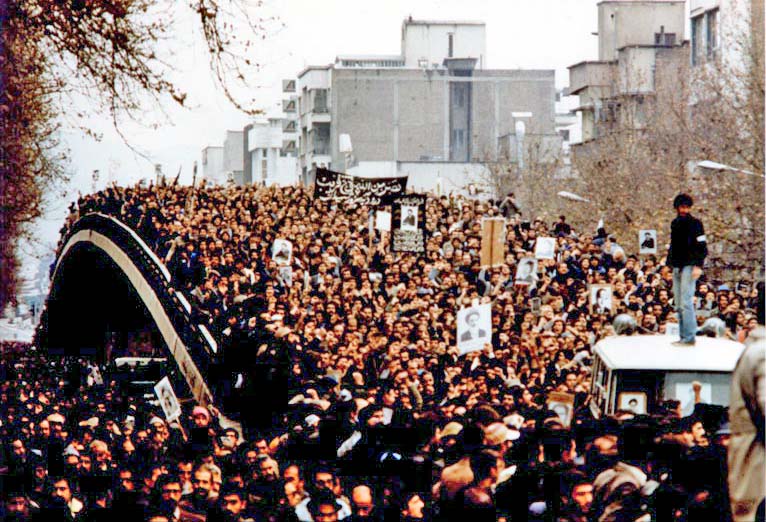
The warning, issued on 3 July by a senior Iranian commander, explicitly linked any strike on the funeral events to future retaliation against both Washington and Tel Aviv. The statement follows days of mourning in Tehran and other cities after Khamenei was killed in what Iranian and regional sources have described as a coalition strike at the start of the current conflict. Funeral ceremonies and processions are now underway in the capital and are expected to move through key religious cities in Iran and Iraq before burial in Mashhad.
The ceremonies draw not only crowds of Iranian mourners but also foreign delegations, including senior officials from allied states and leaders of regional armed groups that have long relied on Iranian support. For ordinary Iranians, the threat means that participation in highly public, state-organized rituals is now entangled with the risk of becoming collateral in any further confrontation. For foreign diplomats and security teams, every appearance in Tehran is being weighed against the chance that an adversary could see the gatherings as a tempting, symbolic target.
The presence of high-level foreign visitors underlines the stakes. Russia has sent Dmitry Medvedev, deputy chair of its Security Council and a former president, to attend the farewell ceremony, signaling how seriously Moscow treats the succession moment in Tehran. Palestinian militant leaders, including senior Hamas figures, have also traveled to Iran, underlining the tight web of alliances that might be drawn into any clash triggered around the funerals. With more than 30 countries reported to have dispatched delegations, an attack on the ceremonies would not just hit Iran; it could injure or kill representatives of multiple governments and movements.
For the United States and Israel, the threat forces hard calculations. Both countries view Iran’s leadership and its regional network – from Hezbollah in Lebanon to armed groups in Iraq, Syria and Yemen – as central to their long-term security challenges. Yet any operation near Khamenei’s funeral, even if aimed at other targets, now risks being perceived in Tehran as a deliberate humiliation, making a forceful Iranian response politically unavoidable. US forces across the region, from bases in the Gulf to naval assets in the Red Sea, would be among the most plausible targets for retaliation, as would Israeli cities and critical infrastructure.
The warning also fits a broader pattern of bolder moves by Iran and its partners. In Yemen, the Houthi movement, closely aligned with Tehran, said Saudi warplanes tried on Friday to prevent an Iranian civilian aircraft from landing in Sana’a, and threatened that any continuation of such actions would trigger attacks on Saudi airports and other vital targets. Iranian backing for attempts to break the air blockade around Houthi-held territory signals that Tehran is prepared to leverage its regional clients more aggressively at a moment of leadership transition at home.
The shareable point is simple: when a state declares a funeral untouchable, it is not just protecting a ceremony – it is drawing a line around its entire network of allies and interests, with global delegations effectively acting as human tripwires.
The coming days will show whether Iran’s warning works as intended – deterring any attack around the ceremonies – or whether a misinterpreted incident or third-party provocation triggers the retaliation that commanders are now publicly promising. Watch for changes in the posture of US forces across the Middle East, air defense readiness in Israel, and any sign that Iran-linked groups are shifting rockets, drones or missiles into more exposed launch positions as the funeral cortege moves from Tehran to key religious cities.
Sources
- OSINT