Iran Commander Threatens ‘Harsh Retaliation’ if Khamenei Funeral Ceremonies Are Attacked
Severity: WARNING
Detected: 2026-07-03T18:17:06.554Z
Summary
A senior Iranian commander warned at 17:54 UTC that Iran will deliver “harsh retaliation” against the US and Israel if Khamenei’s funeral ceremonies are targeted. The threat raises the risk of a large‑casualty flashpoint in Tehran and potential follow‑on strikes across the Middle East, with direct implications for Gulf energy infrastructure, shipping, and US forces in the region.
Details
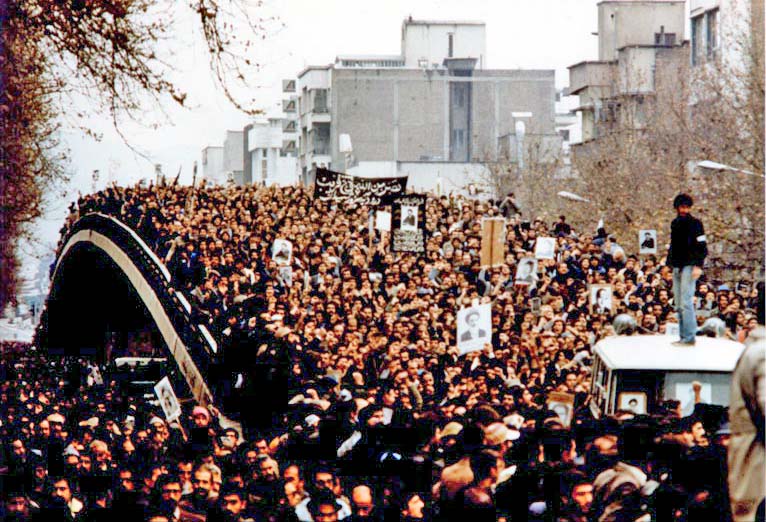
A senior Iranian military commander warned on Friday that Iran will respond with “harsh retaliation” against the United States and Israel if funeral ceremonies for slain Supreme Leader Ayatollah Ali Khamenei are attacked. The statement, posted at 17:54 UTC, comes as foreign dignitaries — including senior Russian Security Council figure Dmitry Neversoberev, reported in Tehran at 18:02 UTC — converge on Iran for a high‑profile, heavily televised mourning period that will draw massive crowds and global attention.
The warning appears to be a deterrent signal aimed at dissuading any external or covert operation targeting the funeral events, which represent both an emotional peak and a vulnerability in Iran’s security posture. No specific adversary plot has been publicly cited, and there is no confirmation of concrete attack intelligence from independent sources; however, the commander explicitly named the US and Israel, placing both governments on notice that Iran will attribute any high‑impact incident to them. Given the ongoing succession uncertainty after Khamenei’s reported killing, the leadership has strong incentives to project strength and to pre‑commit to retaliation.
The human and political stakes are immediate. The funeral ceremonies will likely draw hundreds of thousands, if not millions, of participants into dense, security‑challenging environments in Tehran and other major cities. Any attack — by state or non‑state actors — would carry the potential for mass casualties and a rapid collapse in regime legitimacy if perceived as an internal security failure. Embassies, foreign delegations, airlines, and multinational firms with staff in Iran face an elevated near‑term risk environment, with possible disruptions to flights, consular services, and local operations for several days.
Militarily and from a security standpoint, the pre‑announced threat gives Iran a narrative justification to strike US or Israeli targets region‑wide if a major incident occurs, even if attribution is disputed. That could include missile or drone attacks from Iran or aligned militias on US bases in Iraq and Syria, Israeli cities or infrastructure, Saudi and Emirati energy assets, or shipping in and around the Strait of Hormuz. The explicit warning also increases the danger of miscalculation: an accidental explosion, internal sabotage, or jihadist‑style terror attack could be blamed on foreign intelligence services and used to trigger a response.
Markets and supply chains are exposed through the energy and shipping channels. Any Iranian decision to activate proxy groups against Gulf infrastructure or to harass tankers would tighten crude and product markets, spike insurance premiums for transiting the Gulf and potentially the Red Sea, and reroute some shipping around higher‑cost paths. While no physical disruption has yet occurred, options markets in oil and regional risk assets are likely to price a higher tail risk of a sudden outage. Defense equities with exposure to missile defense, ISR, and naval assets would benefit from renewed demand signals, while airlines with exposure to Middle East routes could face volatility on route changes and security costs.
In the next 24–48 hours, watch for: (1) the security posture around Khamenei’s funeral — road closures, flight restrictions, and any visible deployment of ballistic or air‑defense units; (2) additional rhetoric from IRGC leadership specifying potential retaliation targets or red lines; (3) US and Israeli public messaging or troop posture adjustments in the region; and (4) any early moves by insurers, shippers, and energy majors to adjust premiums, routing, or on‑the‑ground exposure. A confirmed attack on the ceremonies or even a major security scare could rapidly move oil, gold, and regional FX.
MARKET IMPACT ASSESSMENT: Iranian retaliation threats and a highly charged funeral environment keep a floor under crude and support safe havens (gold, USD) due to fear of regional escalation affecting Gulf oil flows. Germany’s move toward confronting China over military support to Russia increases the probability of new EU sanctions or export controls, negative for selected China‑exposed European industrials and potentially supportive of defense names. Ukraine’s push to industrialize high‑tech weapons production implies sustained long‑duration demand for Western funding and components, supportive for NATO‑linked defense contractors and weighing on any near‑term hopes of defense‑spending normalization.
Sources
- OSINT