Hezbollah–Israel Strikes in Southern Lebanon Raise Escalation Risk for Border Communities
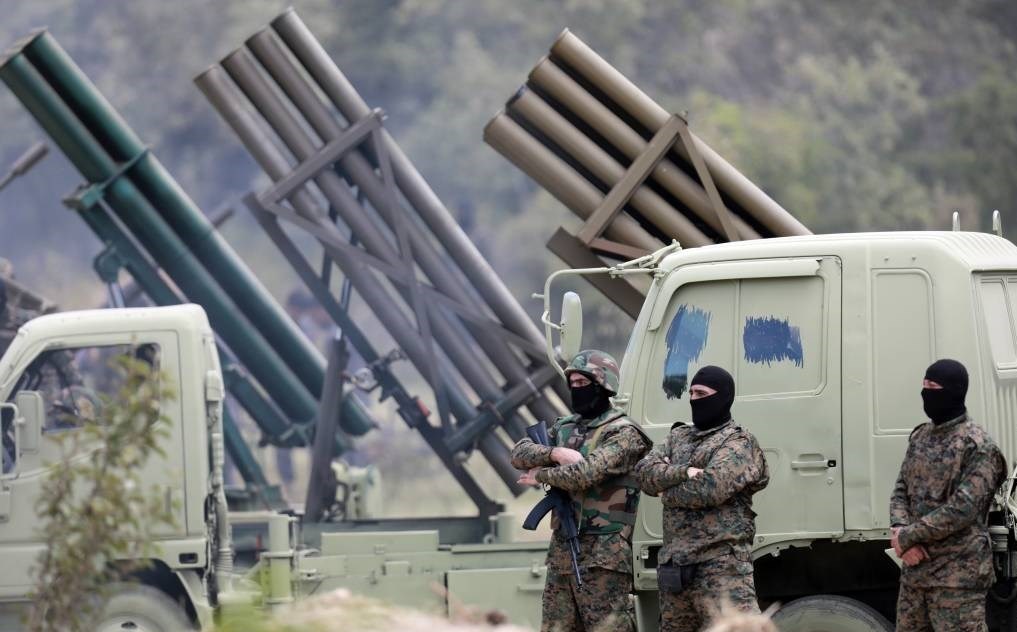
Israeli forces say they struck a group of Hezbollah fighters threatening troops in southern Lebanon, while Lebanese sources report late-night airstrikes near the village of Beit Yahoun and flare deployments over the region. With Hezbollah issuing new statements about Israeli attacks, the low‑level war along the border is intensifying in ways that keep northern Israeli towns and southern Lebanese villages in the blast radius of each new decision.
The shadow war between Israel and Hezbollah along the Lebanese border edged further toward open confrontation overnight, with reports of new Israeli airstrikes and targeted attacks on militant cells adding strain to communities on both sides of the frontier.
Israel’s military said on 26 June that its forces had struck a group of Hezbollah fighters inside what it calls the “Security Zone” in southern Lebanon, after troops operating near Zawtar al‑Sharqiya identified five militants who were deemed to pose an immediate threat. The Israel Defense Forces (IDF) described the strike as a pre‑emptive action to protect its soldiers deployed close to the Lebanese border.
Hezbollah, for its part, issued a leaflet addressing an Israeli strike earlier the same day in the Mifdoun area, accusing the IDF of once again attacking inside Lebanon. While details of casualties or damage were not included in the initial summaries, the messaging underscores the group’s intent to frame Israeli operations as ongoing violations of Lebanese sovereignty that demand a response.
Lebanese sources separately reported that Israeli Air Force jets carried out strikes shortly before midnight near the village of Beit Yahoun in southern Lebanon. In another incident, an IDF fighter jet was seen releasing defensive flares over the region during the night, an action often used to deter or decoy incoming anti‑aircraft fire or surface‑to‑air missiles. None of these reports have yet been matched by detailed official casualty figures, but together they point to a tempo of military activity that is becoming harder for border residents to ignore.
For civilians in northern Israel and southern Lebanon, the human stakes are measured in sleepless nights, disrupted livelihoods and the constant calculation of how close they live to a potential target. Southern Lebanese villages such as Beit Yahoun, repeatedly mentioned in strike reports, sit near suspected Hezbollah infrastructure and firing positions. Israeli farming communities and towns just across the border live with the risk that any exchange could bring rocket salvos or anti‑tank fire in retaliation.
Strategically, each tactical engagement—an IDF strike on a small Hezbollah cell, or an air raid on a suspected weapons site—adds pressure to a fragile deterrence equation that has mostly kept the conflict from exploding into full war since 2006. Hezbollah has tied much of its current activity to Israel’s broader campaign in the region, while Israel insists it will not tolerate the buildup of advanced weaponry and attack infrastructure along its northern frontier. The more frequent and public the engagements become, the narrower the space for both sides to quietly de‑escalate.
The pattern of the last days fits a familiar but dangerous script: Israel uses airpower and precision munitions to hit what it describes as imminent threats, Hezbollah responds with statements and selective fire of its own, and foreign governments warn of the risk that miscalculation could drag Lebanon and Israel into a wider conflict. For residents, that risk is not abstract; it shows up in evacuation plans quietly updated, schools closed on short notice, and businesses weighing whether to invest in areas that might be within range of the next exchange.
Border tensions do not need a formal declaration of war to disrupt lives and redraw security planning across the eastern Mediterranean. The key indicators to watch now are whether Hezbollah escalates its responses in range or intensity, whether Israel expands its target set deeper into Lebanese territory or closer to major towns, and how international actors—from the United States and France to the United Nations force in southern Lebanon—respond if the nightly flashes in the sky begin to look less like controlled containment and more like the opening moves of a broader war.
Sources
- OSINT