IDF–Hezbollah Strikes Deepen Israel’s Northern Front and Civilian Risk in Southern Lebanon
Israeli forces struck alleged Hezbollah operatives in southern Lebanon’s security zone and carried out late-night air raids near Beit Yahoun, while fighter jets lit the sky with defensive flares. The exchanges keep border communities on both sides in range of fire and raise the risk that a shadow conflict will harden into a second full front.
Southern Lebanon’s night sky once again doubled as a battlefield, as Israeli jets launched strikes and defensive flares while Hezbollah reported casualties from daytime operations. The latest exchanges on 26 June kept the Israel–Lebanon border on a knife edge, underscoring how a grinding, low-visibility conflict is steadily putting more civilians inside overlapping arcs of fire.
The Israel Defense Forces said its troops operating in Zawtar al‑Sharqiya, within what Israel refers to as a security zone in southern Lebanon, identified and struck five Hezbollah operatives who were described as posing an immediate threat to Israeli soldiers. The IDF framed the action as a targeted strike on militants rather than a broader bombardment, consistent with its ongoing campaign to disrupt Hezbollah positions close to the border.
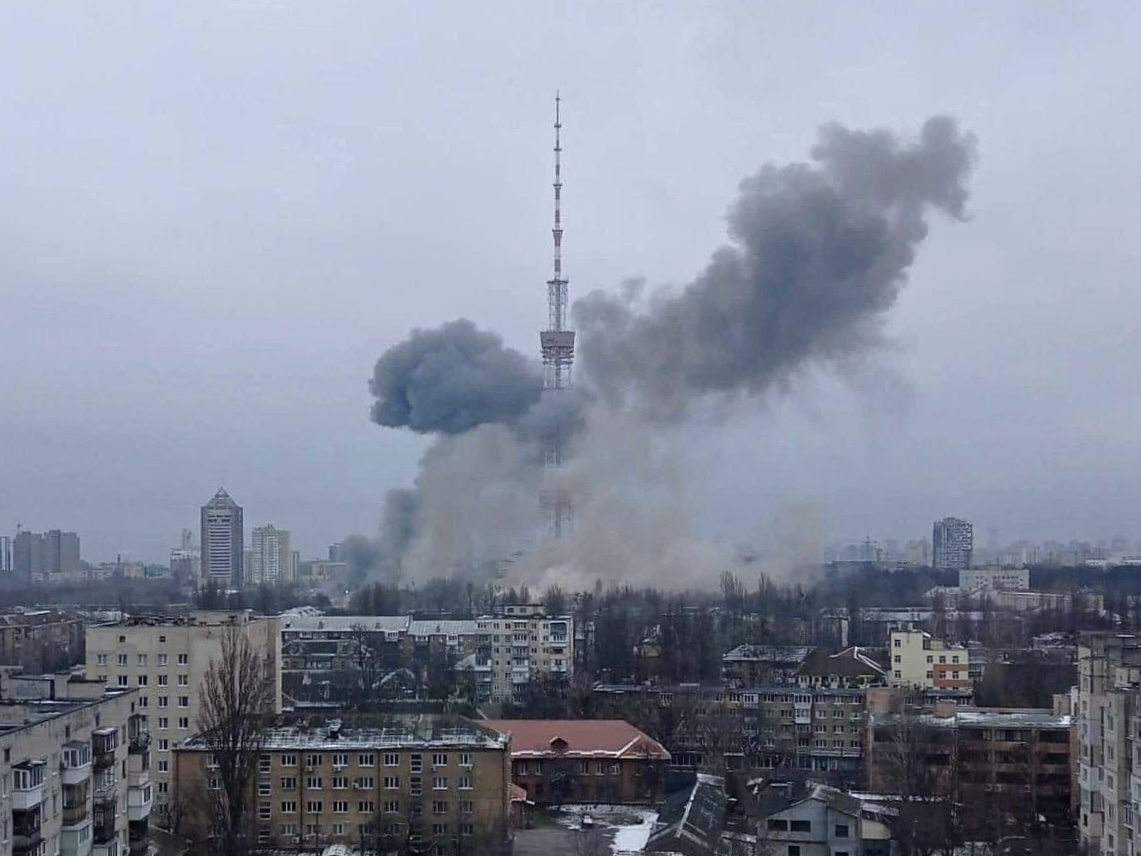
Later that night, Lebanese sources reported Israeli Air Force strikes shortly before midnight on the village of Beit Yahoun in southern Lebanon. Visuals and local accounts indicated explosions near or in the village, though exact damage and casualty figures were not immediately clear. Around the same time, an Israeli fighter jet fired flares over parts of southern Lebanon, a standard defensive measure designed to confuse heat‑seeking missiles but also a visible signal to residents that military aircraft are overhead and on alert.
Hezbollah, for its part, published a leaflet referencing the afternoon strike in the Mifdoun area, alleging that the Israeli army had again targeted what it described as resistance positions. The group has sustained an almost daily rhythm of cross‑border fire with Israel for months, launching rockets, anti‑tank missiles and drones at Israeli military sites and, at times, civilian areas in northern Israel. Israel has responded with artillery fire and air strikes on what it says are Hezbollah military infrastructure and launch points nestled inside or near Lebanese towns.
For families in villages like Beit Yahoun and Zawtar al‑Sharqiya, the pattern is grimly familiar: days of uneasy quiet punctuated by explosions, followed by nights when the sound of jets and the glare of flares make sleep optional. Even when strikes are aimed at specific militants or positions, the proximity of homes, farms and small businesses turns every exchange into a risk calculation for those who lack the option of relocation.
Strategically, the northern front has locked both Israel and Hezbollah into a slow‑burn confrontation that neither side publicly says it wants to expand into full war. Israel is trying to push Hezbollah forces away from its border and reduce rocket fire, while Hezbollah insists it is tying down Israeli forces in solidarity with other fronts. Each strike, however limited, adds pressure on political leaders in Jerusalem, Beirut and beyond to decide how much escalation they are willing to absorb or initiate.
The air activity also matters for the wider region. Persistent Israeli strikes in southern Lebanon complicate Beirut’s already fraught politics and economic recovery, while any major miscalculation could trigger a conflict that drags in Iran, Western states and regional powers. For UN forces deployed in the area and for international actors invested in the stability of Eastern Mediterranean gas projects and shipping, the drifting line between skirmish and war is increasingly hard to ignore.
The core risk is simple to state and hard to manage: the more routine cross‑border strikes become, the easier it is for one mis‑aimed missile or mass‑casualty incident to force both sides into a wider confrontation they claim not to seek.
Key indicators in the days ahead will include whether Israel escalates to deeper strikes beyond the immediate border belt, whether Hezbollah responds with higher‑volume or longer‑range rocket and drone attacks, and how international mediators frame any new proposals for de‑escalation. Changes in evacuation guidance for northern Israeli communities or in Lebanese civilian displacement patterns would be early signs that military pressure is tipping into broader crisis.
Sources
- OSINT