Russia ‘Provocation’ Warning in Baltics and Poland Raises NATO Escalation Risk
Sources say Russia is preparing a possible ‘provocation’ in the Baltic states or Poland, raising concern that Moscow could test NATO’s red lines with an engineered incident on the alliance’s northeastern flank. Any such move would put Baltic governments, Warsaw and NATO commanders under pressure to respond without being drawn into a confrontation on Moscow’s terms.
Warnings that Russia may be preparing a "provocation" in the Baltic states or Poland are sharpening nerves along NATO’s northeastern border, where military planners have long gamed out what a manufactured incident might look like but rarely had to confront one in real time.
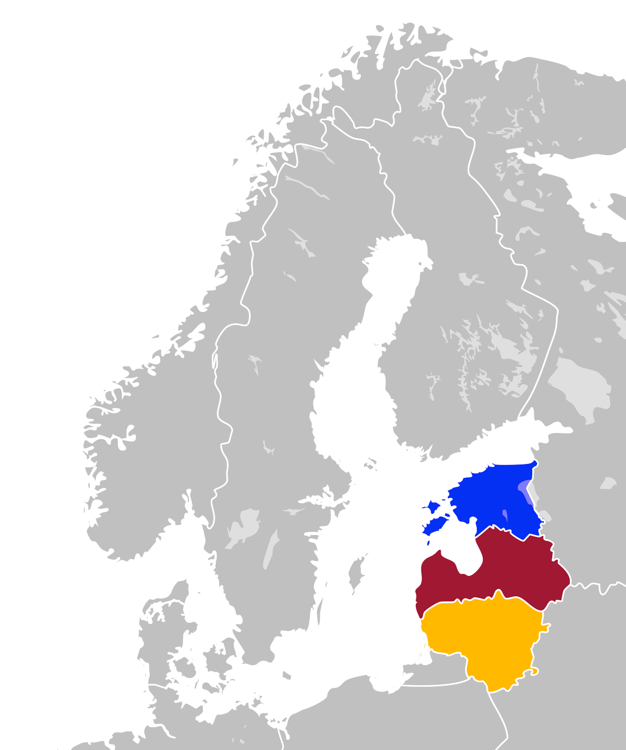
According to information circulating on 26 June, sources assessing Russian behavior now believe Moscow could be setting the stage for a staged or escalatory event targeting either the Baltic trio of Estonia, Latvia and Lithuania or neighboring Poland. The reports do not specify the form such a provocation might take, leaving open a spectrum that ranges from border incidents and airspace violations to information operations designed to incite unrest or justify counter‑measures.
No concrete incident has been reported so far, and the claims have not been publicly detailed by governments in the region. But even the possibility of a choreographed crisis matters for how officials in Tallinn, Riga, Vilnius and Warsaw calibrate their border security, military readiness and public messaging. In a region where Russian intelligence activity and probing flights are a regular feature, the risk is less that something entirely new appears than that familiar patterns are deliberately intensified or manipulated.
For civilians living near the Suwałki Gap, on Estonia’s eastern border or along Latvia’s frontier, the immediate effect of such warnings is often a mix of unease and habituation. They know that exercises, low‑flying jets and the occasional drone sighting are part of their geography. The harder question is how to distinguish routine pressure from the kind of engineered incident that could suddenly bring NATO treaty language into everyday conversation.
Strategically, talk of Russian provocations in NATO territory goes to the heart of deterrence credibility. The Baltic states and Poland sit on the alliance’s frontline with Russia and its heavily militarized Kaliningrad exclave. Any incident that could be framed as an attack on their forces or infrastructure would force allied leaders to decide how visibly to respond, knowing that under‑reaction might embolden Moscow while over‑reaction could escalate a confrontation neither side claims to seek.
For Moscow, carefully calibrated friction below the threshold of open conflict can be a way to test unity in Brussels and Washington, probe command‑and‑control arrangements, and distract from developments elsewhere, including in Ukraine. For NATO, the challenge is to deny Russia the ability to control the story: to document any incident thoroughly, align allies around a common assessment of intent, and respond in ways that reinforce rather than strain intra‑alliance cohesion.
In practical terms, that may mean increased patrols, tighter monitoring of airspace and maritime approaches, and more structured communication with local populations about what they are seeing and why. It also reinforces the value of exercises and scenario planning that treat gray‑zone provocations not as abstract possibilities but as events that demand specific, pre‑agreed responses.
The reminder is uncomfortable but clear: on NATO’s northeastern flank, escalation risk does not only come from large armored formations crossing borders, but from small, ambiguous events designed to create doubt and division.
What matters next is whether any concrete moves — unusual troop deployments, border incidents, unexplained infrastructure disruptions or aggressive air and sea maneuvers — emerge that can be linked to the warnings, and how quickly Baltic and Polish authorities share evidence and coordinate their reactions with NATO allies if they believe Moscow has moved from preparation to execution.
Sources
- OSINT