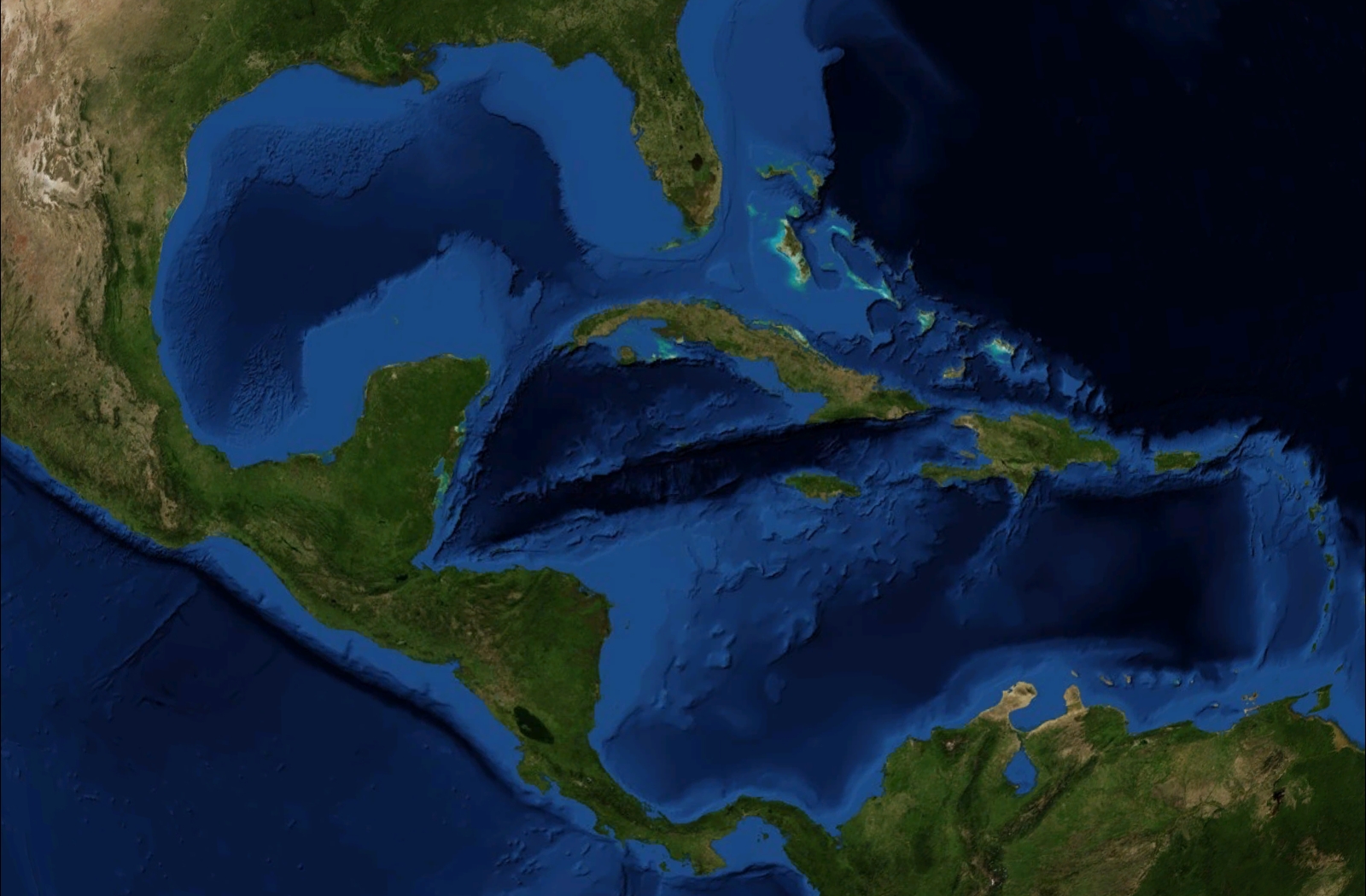
U.S. Lethal Strike on ‘Narcoterrorist’ Boat Tests Rules of Force in the Caribbean
U.S. Southern Command says a joint task force carried out a lethal strike on a vessel allegedly tied to narcotics trafficking in the Caribbean, with two people reported dead and several survivors detained. Branding the target as linked to designated terrorist organizations pushes counter‑drug operations further into counterterrorism territory, raising fresh questions for regional governments and maritime law.
The United States has confirmed a lethal operation against a suspected narcotics vessel in the Caribbean, signaling a harder edge to Washington’s maritime campaign as it labels some traffickers as linked to designated terrorist groups.
U.S. Southern Command said Joint Task Force Southern Spear conducted the strike on June 21 against a boat alleged to be engaged in drug trafficking along established smuggling routes. Separate accounts from the region described the target as operated by organizations Washington classifies as terrorist, and reported that two people on board were killed and six survived the attack. Those numbers have not yet been officially detailed by the U.S. military, but the admission of a “lethal strike” confirms that force was used with fatal effect.
For the crew of such vessels, the shift from interdiction and arrest to engagements that can be framed as counterterrorism changes the risk calculus overnight. A run that traffickers might once have seen as a cat‑and‑mouse game with coast guards and navies now carries the possibility of being hit as a legitimate military target, not just boarded and seized. Families in coastal communities that depend—legally or not—on maritime economies are left to parse whether their relatives are now on the front line of a war on drugs, a war on terror, or some hybrid of both.
Operationally, the strike underscores how U.S. Southern Command is using dedicated task forces and intelligence‑driven targeting to go after what it describes as high‑value trafficking nodes before they reach open sea lanes or U.S. shores. By publicly attributing the mission to Joint Task Force Southern Spear, the Pentagon is signaling that this is not a one‑off action but part of a sustained, specialized effort. Framing the vessel operators as affiliated with designated terrorist organizations could open the door to expanded authorities, including broader rules of engagement and more flexible use of force.
The strategic consequences extend beyond the immediate loss of a single boat and its cargo. Caribbean states already under strain from violence, corruption, and economic stress must now weigh how closely to align with U.S. operations that can result in death at sea, potentially within or near their own maritime zones. Governments wary of domestic backlash may demand more transparency about how targets are selected and what safeguards exist against misidentification, while criminal networks will be watching closely to see whether such lethal interdictions become a trend.
For Washington, the move reflects a longstanding view that the drug trade cannot be separated from broader security threats, from insurgent financing in parts of Latin America to the involvement of global criminal syndicates. By explicitly tying a Caribbean smuggling route to terrorist designations, U.S. officials are effectively telling partners that maritime trafficking is part of the same threat architecture they invoke when discussing jihadist groups or other non‑state actors.
The deeper reality is that once narcotrafficking is framed as terrorism at sea, the legal tools shift from law enforcement to the laws of armed conflict, and the space for gray‑zone operations narrows. That may deter some operators, but it also risks normalizing the use of lethal force in waters where jurisdiction is complex and civilian traffic is dense.
Key questions in the days ahead include where exactly the engagement occurred in relation to territorial waters, how the U.S. documents and shares its intelligence about the boat’s alleged terrorist links, and whether regional organizations call for consultations or new guidelines. If follow‑on operations continue under the same banner, Caribbean maritime security could move further toward an armed‑conflict framework, with all the diplomatic and human costs that entails.
Sources
- OSINT