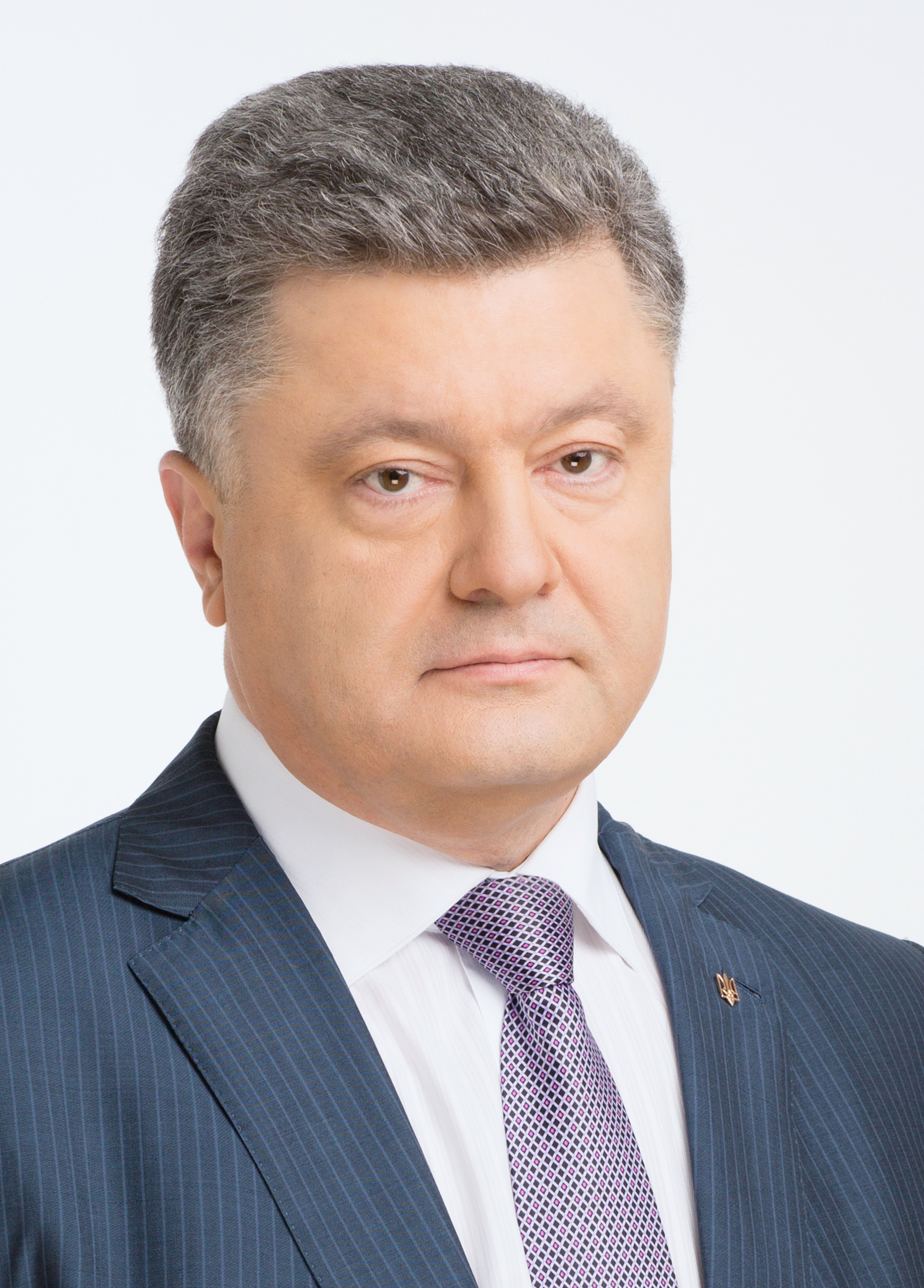
Petro’s Israel Hacking Claim Puts Colombia’s Election Legitimacy and Foreign Meddling Fears on Collision Course
Colombian President Gustavo Petro has publicly accused Israel of tampering with the country’s electoral software and flagged suspicious IP changes on election servers, even as he urges calm and says he will accept the final tally. The charge injects foreign meddling fears into an already polarized race and raises pressure on courts, observers, and the president‑elect as Colombia weighs whether its vote can be trusted.
Colombia’s presidential transition is being pulled into the global debate over election integrity after outgoing President Gustavo Petro alleged foreign interference in the country’s voting systems, while at the same time pledging to respect the result that appears to have brought conservative lawyer Abelardo de la Espriella to power.
In a series of public statements posted on June 22, Petro claimed that authorities had detected a change in IP addresses on several servers run by the national electoral registry, which manages Colombia’s voting software. He directly accused Israel of compromising that software and called for a full recount of the vote, framing the issue as one of sovereignty and democratic legitimacy. His accusations have not been independently verified, and Colombian institutions have not yet provided detailed public technical evidence to substantiate or dismiss the claims.
Even as he escalated the rhetoric around alleged cyber intrusion, Petro also urged Colombians to remain calm and avoid violence, signaling that he would ultimately accept the outcome of the official vote scrutiny process. He additionally pointed to former U.S. President Donald Trump as bearing political responsibility for what he described as wider instability around the Colombian election, tying domestic turmoil to international ideological currents.
For ordinary voters, the immediate impact is psychological but no less real. Millions who queued at polling stations now face competing narratives about what their ballots are worth: one in which a president‑elect speaks of unity and constitutional order, and another in which the outgoing head of state suggests that outside actors may have tampered with the system itself. Election workers, judges, and local officials are placed under new scrutiny, their technical decisions reinterpreted as potential evidence for or against a sweeping charge of foreign interference.
Operationally, the pressure now falls on Colombia’s electoral authorities, courts, and, potentially, international observers. A full recount, if ordered, would test the resilience of the country’s vote‑tabulation infrastructure and extend a period of uncertainty for markets and institutions watching for clear political direction. Any formal probe into alleged Israeli involvement would inject additional strain into Bogotá’s foreign policy, forcing the incoming administration to navigate a sensitive security and intelligence relationship under the spotlight of a hacking dispute.
Strategically, Petro’s claims touch multiple fault lines at once: fears of cyber operations against democratic systems, the weaponization of distrust in electoral technology, and the export of partisan narratives from the United States into Latin American contests. Invoking Israel as a would‑be manipulator drags a key Middle Eastern intelligence power into a Latin American political storm, while referencing Trump connects Colombia’s internal drama to broader arguments over election denialism and foreign influence.
The episode also serves as a reminder that in modern politics, it is often the perception of a hack—rather than conclusive forensic proof—that can unsettle institutions. A president’s public assertion of foreign tampering, even if later disproven, risks becoming a permanent part of the political story, shaping how future campaigns talk about software, servers, and the unseen infrastructure behind each vote.
The next signals to watch will be whether Colombian electoral bodies agree to any form of recount or external audit; whether Petro or the president‑elect release more concrete technical information about the alleged IP changes; and how Israel officially responds to being named in the dispute. Any move by courts, prosecutors, or international organizations to open a formal investigation would mark a new and more consequential phase in a controversy that so far lives largely in statements and suspicions.
Sources
- OSINT