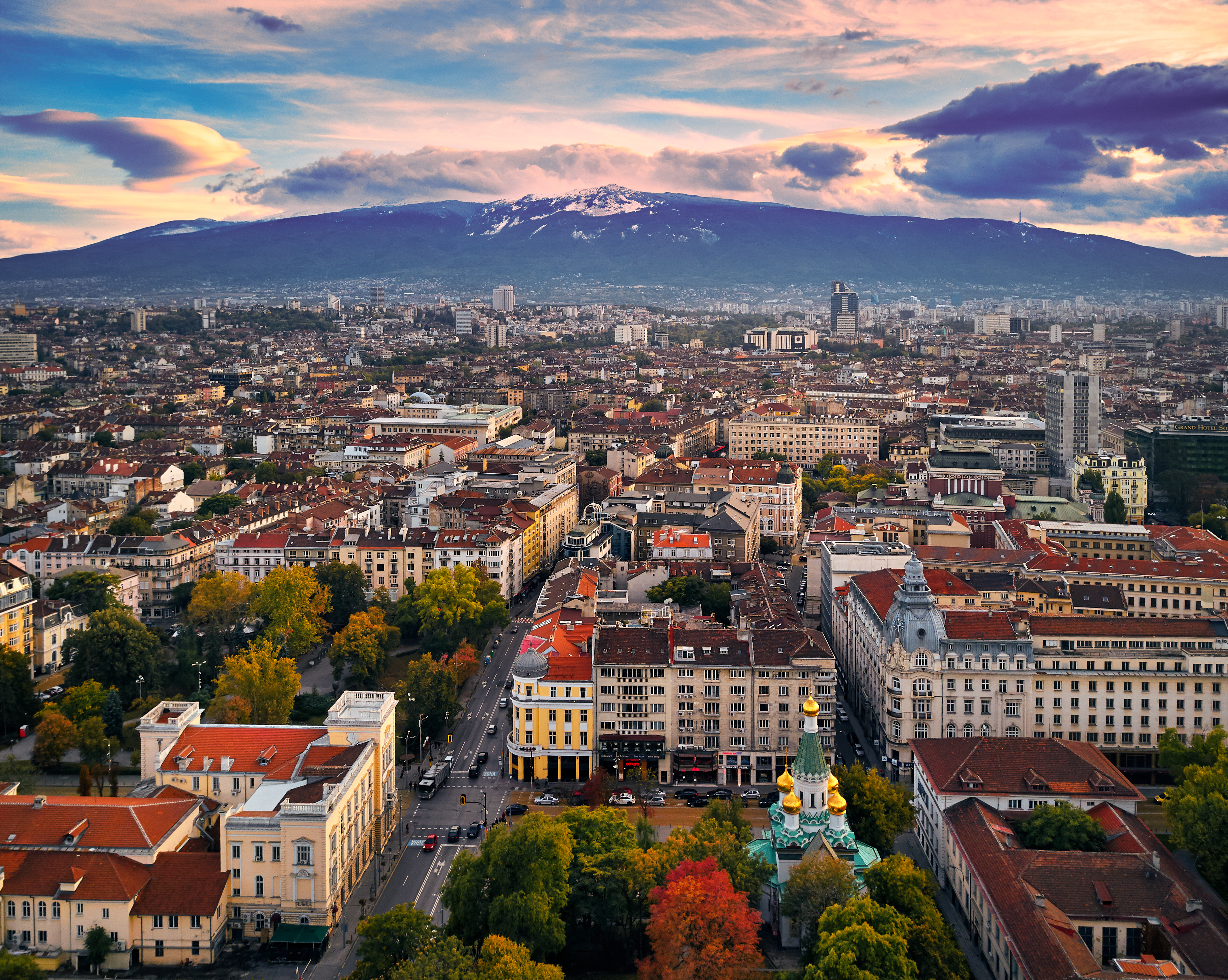
Bulgaria’s veto threat over Russia sanctions exposes EU energy and church politics fault lines
Bulgarian Prime Minister Rumen Radev says Sofia will veto the EU’s latest Russia sanctions package over fears it could disrupt the country’s only refinery, key fuel supplies, metro spare parts, fertilizers, and even target Russian church figures. The stand‑off drags domestic energy security and religious politics into the heart of Europe’s effort to tighten pressure on Moscow.
Bulgaria has warned it will block the European Union’s next package of sanctions on Russia, with Prime Minister Rumen Radev arguing on 18 June that the proposed measures could damage his country’s economy, strain its energy security, and even tangle Sofia in a dispute over religious institutions. The threat of a veto from one of the bloc’s smaller economies underscores how hard it has become for the EU to keep tightening pressure on Moscow without hitting sensitive domestic interests.
Radev said the planned sanctions risk undermining the operation of Bulgaria’s sole oil refinery, which is run by Russia’s Lukoil and is also a major fuel retailer nationwide. He also pointed to potential disruption of spare‑parts supply for the Sofia Metro and to fertilizer imports, warning that the cumulative effect would ripple from commuters to farmers. On top of the economic concerns, the prime minister publicly rejected proposed sanctions targeting figures linked to the Russian Orthodox Church, suggesting that such measures were a step too far in the religious realm.
For ordinary Bulgarians, the issues at stake are tangible rather than abstract geopolitics. A disruption at the Lukoil‑operated refinery could affect fuel availability and prices, with direct consequences for transport costs and household budgets. Any interruption in metro maintenance risks degrading a critical urban artery in the capital. Farmers, already squeezed by input costs and market competition, would feel the impact if fertilizer supplies tighten or become more expensive as a result of sanctions.
For Brussels, Sofia’s stance is more than a domestic policy dispute. EU sanctions packages require unanimity among member states, giving every capital an effective veto. Bulgaria’s resistance therefore threatens to slow or dilute plans to further constrain Russian revenue streams more than two years into the full‑scale invasion of Ukraine. It also sends a signal to other governments that may harbor their own reservations but have so far kept them quieter.
The involvement of Lukoil highlights how deeply Russian energy companies are still embedded in parts of the EU’s infrastructure. While the bloc has moved to reduce dependence on Russian oil and gas, legacy assets such as refineries and fuel distribution networks remain in place in countries like Bulgaria. Shutting or forcibly transforming those operations is not just a question of foreign policy; it means confronting job losses, local tax bases, and the risk of short‑term supply disruptions.
The debate over sanctions on Russian church figures adds another layer of sensitivity. Bulgaria, where the Orthodox Church holds deep cultural significance, is wary of being seen as weaponizing religious ties in service of foreign‑policy goals, even when those ties intersect with Kremlin influence campaigns. Radev’s public rejection of such measures suggests he is attuned to both domestic sentiment and the potential for Moscow to exploit religious grievances.
Europe’s challenge is that every new turn of the sanctions screw gets harder as the most straightforward measures have already been taken. What is left are steps that bite more deeply into complex economic ecosystems and long‑standing social links. For EU unity on Russia, that means the center of gravity increasingly lies not only in Berlin, Paris, or Warsaw, but also in how cities like Sofia keep their trains running and their filling stations supplied.
The next indicators to watch are whether the European Commission or larger member states offer Bulgaria tailored exemptions or support to keep the refinery and metro supplied, whether the controversial church‑related measures are softened or dropped, and whether any compromise emerges in time to prevent Sofia from using its veto in Brussels.
Sources
- OSINT