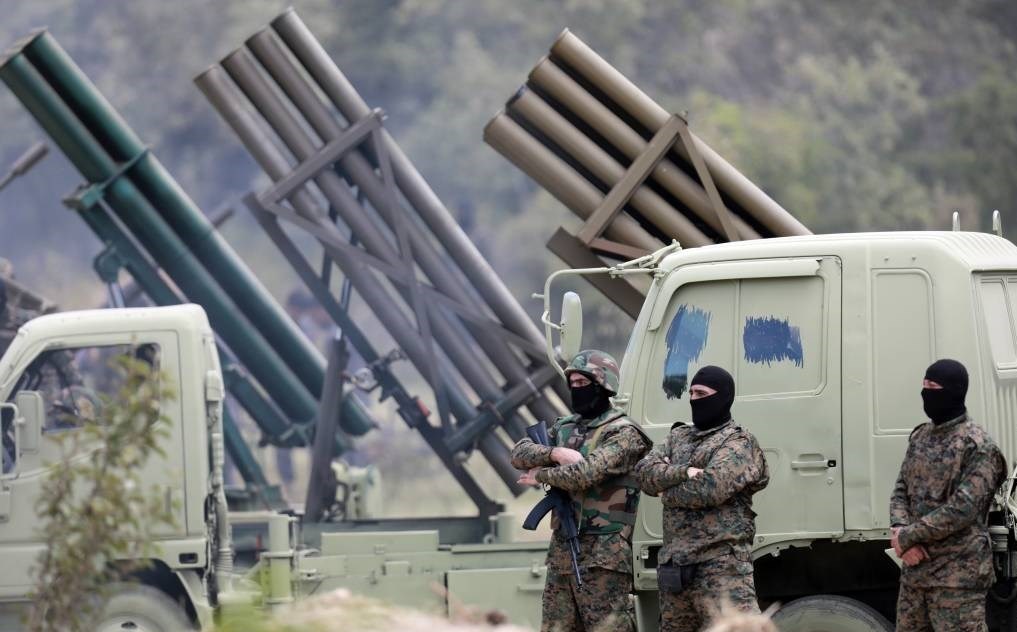
Hezbollah Drone Strike on Northern Israel Tests Air Defenses and Raises Escalation Risk
Hezbollah fighters launched kamikaze drones at an Israeli army position in northern Israel, using Sayyad‑2 V‑tail munitions in the latest cross‑border attack. The strike puts soldiers and border communities under renewed threat and pushes the Israel–Lebanon front closer to a wider confrontation.
The low buzz of drones over northern Israel has become one of the most tangible signs that the line between skirmish and wider war on the Lebanon front is dangerously thin.
On 14 June, Hezbollah said it had launched drone strikes against an Israel Defense Forces (IDF) site in northern Israel, targeting a military position near the Lebanese border. Footage shared by the group and circulated on regional channels appears to show V‑tail “Sayyad‑2” one‑way attack drones — loitering munitions designed to crash into their targets with an explosive payload. Israeli authorities had not yet provided a detailed public account of damage or casualties by early morning UTC, and battlefield claims from both sides should be treated cautiously until independently verified.
For Israeli soldiers deployed along the northern frontier and civilians in nearby communities, each successful Hezbollah strike reinforces a harsh reality: the border is no longer shielded by distance or topography from precision attacks. Farming families, shopkeepers, and schoolchildren living within range of cross‑border fire already contend with intermittent evacuations and the constant assessment of whether to stay or leave. Lebanese villagers on the other side face their own risks from Israeli retaliatory strikes, living under the shadow of both Hezbollah deployments and IDF artillery and airpower.
Strategically, Hezbollah’s use of kamikaze drones is part of a broader shift in how non‑state actors fight. By deploying relatively cheap, precision‑guided one‑way attack drones against fixed IDF positions, the group can probe Israeli air defenses, inflict casualties or damage, and send political messages to both domestic and regional audiences — all while staying below the threshold of a full‑scale rocket barrage that could trigger an all‑out war. For Israel, each incident is a test of layered defenses designed against rockets, missiles, and now a growing inventory of small, low‑flying unmanned systems.
The strikes come against a backdrop of months of cross‑border exchanges since Hamas’s October 7 attack and Israel’s subsequent war in Gaza. Hezbollah has framed its actions as support for Hamas and pressure on Israel’s northern flank. Israeli leaders have repeatedly warned that they are prepared to escalate if attacks continue, mindful that northern communities have already seen significant disruption and displacement.
If such drone attacks increase in frequency, accuracy, or range, the pressure on Israeli decision‑makers to mount a larger campaign in Lebanon will grow. That, in turn, would risk drawing in Iran more directly and disrupting fragile Lebanese politics and economics at a time when the country is already facing deep crisis. International efforts to negotiate understandings that would reduce fire along the border have so far had limited visible effect.
For other actors in the region — from militias in Iraq and Syria to factions in Yemen — Hezbollah’s operations serve as a live demonstration of how drone technology can be integrated into a hybrid warfare toolkit. Israel’s response, whether through improved interception, electronic warfare, or targeted strikes on launch sites and operators, will set precedents watched by militaries far beyond the Levant.
Key Takeaways
- Hezbollah launched kamikaze drone strikes on an IDF position in northern Israel on 14 June, using Sayyad‑2 V‑tail one‑way attack drones, according to the group’s claims and circulating footage.
- Israeli authorities had not yet provided a full public assessment of the damage or casualties as of early morning UTC.
- The attack highlights the growing use of precision drones by non‑state actors to pressure better‑armed militaries and test air‑defense systems.
- Border communities and soldiers on both sides remain exposed to sudden escalations, with displacement and economic disruption already evident.
- A sustained pattern of such strikes could increase pressure for a broader Israel–Hezbollah confrontation with regional implications.
Outlook & Way Forward
In the near term, Israel is likely to respond with targeted strikes on suspected launch sites or Hezbollah positions, while reinforcing air‑defense coverage and surveillance along the northern front. Both sides appear to be calibrating their actions to avoid crossing clear red lines, but the margin for miscalculation is narrowing with every exchange involving more capable systems.
International diplomacy — including U.S. and European engagement with Beirut and Jerusalem — will continue to probe for ways to reduce fire and reassert some form of border understandings. Yet as long as the Gaza conflict persists and Hezbollah ties its actions to that front, the northern theater will remain volatile. For regional security planners, Hezbollah’s latest drone strike is another data point that the risk is no longer that drones might change border warfare, but how quickly and how far they already have.
Sources
- OSINT