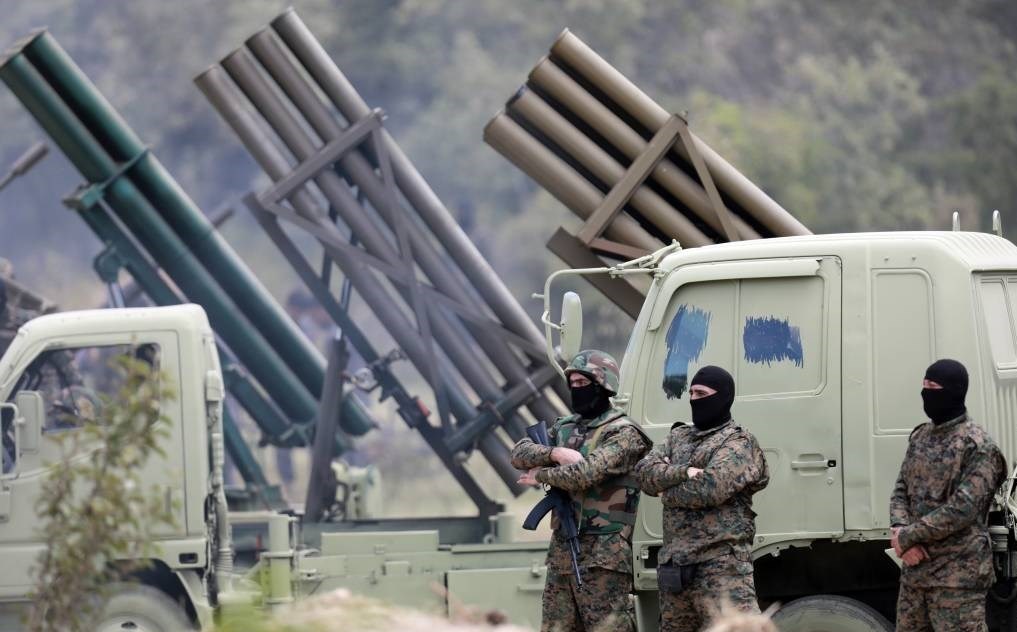
Hezbollah halt and fresh Israeli strikes leave Lebanon caught between ceasefire text and battlefield reality
A Hezbollah official says the group has stopped operations since the U.S.–Iran deal was announced and ties its next moves to Israel’s behavior, even as Lebanese outlets report fresh Israeli shelling and demolitions in the south. Lebanon’s war front is written into the ceasefire memorandum, but events on the ground suggest the country remains dangerously exposed.
Lebanon is supposed to be part of the solution in the new U.S.–Iran ceasefire architecture. Instead, it is quickly becoming the test case for whether the agreement can restrain the forces it purports to govern. Hezbollah says it has halted operations since the deal was announced. Israeli fire has not completely stopped. Between the legal language of a memorandum and the noise of artillery in the hills of the south, civilians are left wondering which reality will prevail.
A Hezbollah official told Reuters that the group has not carried out any operations since the U.S.–Iran agreement was made public. According to the official, Hezbollah’s position on the ceasefire will depend on Israel adhering to it, implying that any significant Israeli violation could bring the Iran‑backed movement back into active confrontation.
Iran’s foreign ministry spokesperson Esmail Baghaei has underscored that Lebanon is not a footnote, but an explicit pillar in the deal. He said the ending of the war in Lebanon is an “inseparable part” of the ceasefire understanding and that Lebanon is mentioned three times in the memorandum of understanding between Washington and Tehran. For Tehran, ensuring calm on the Lebanese front is both a way to demonstrate it can deliver regional restraint and a means to protect Hezbollah, one of its most important partners, from a potentially devastating full‑scale war.
On the ground, however, Lebanese media reports tell a more ambiguous story. Local channels have cited detonations from what they describe as a controlled Israeli explosion in the village of Aita al‑Jabal in southern Lebanon. Other outlets report Israeli artillery shelling against several towns in the south, coinciding with low‑flying Israeli drones over Beirut and its suburbs — a pattern of intimidation and tactical shaping that falls short of open war but erodes any sense of real ceasefire.
Hezbollah itself is still publicly celebrating recent attacks. The group released footage of an “Ababil” fiber‑optic FPV kamikaze drone striking what it said was an Israeli Merkava tank near Beaufort Castle, using a PG‑7‑pattern anti‑tank warhead. While that strike took place before the ceasefire deal was announced, its publication afterward feeds domestic narratives of resilience and deterrence. It also serves as a reminder that even relatively small systems — cheap drones laden with old anti‑tank munitions — can threaten some of Israel’s most iconic battlefield hardware.
For residents of southern Lebanese villages like Aita al‑Jabal and Ad‑Duwayr, and for Israeli communities just across the barbed wire, the talk of clauses and memoranda offers limited comfort. Months of cross‑border exchanges have already displaced families, emptied schools and shuttered businesses. Reports that Israel carried out a strike killing Hassan Sbaa’, a prominent Hezbollah operative previously seen riding on a UNIFIL vehicle while waving the group’s flag, reinforce the sense that targeted killings and counter‑strikes could continue beneath the threshold of full‑scale war.
The strategic stakes extend far beyond the hills of southern Lebanon. The U.S.–Iran deal’s credibility depends in part on whether Tehran can persuade or pressure Hezbollah to keep its fire capped, and on whether Israel is willing to accept any practical constraints on its operations along the northern border. Iranian officials are already warning they do not trust the U.S. or Israel to keep their word, while hardline Israeli ministers are demanding continued demolitions and operations in southern Lebanon regardless of American preferences.
Lebanon, with its fragmented politics and overstretched state institutions, has little capacity to shape these decisions, even though it will suffer most acutely if the ceasefire collapses. For Beirut, the war’s next phase could mean either a fragile reprieve that allows people to trickle back to damaged homes, or a return to daily strikes that the country’s battered economy can scarcely endure.
The next indicators are clear and close at hand: whether reported Israeli shelling diminishes in the coming days, whether Hezbollah’s operational pause holds and how UN forces on the ground characterize ceasefire compliance. If Lebanon’s front remains active while the rest of the region is told the war is over, the memorandum’s promise of regional de‑escalation will be harder to take seriously — in Beirut, in Jerusalem and in Washington.
Sources
- OSINT