Hezbollah Drone Strikes Test Israel’s Northern Defenses and Civilian Nerves
Hezbollah’s use of kamikaze drones against an Israeli military site in northern Israel marks another step in the quiet but dangerous contest along the Lebanon-Israel frontier. The attack raises the stakes for border communities, air defenses, and policymakers trying to prevent a limited conflict from becoming a wider war.
An overnight drone strike on an Israeli military site in the north is a reminder that the Lebanon-Israel frontier is less a border than a live firing line, where miscalculation could pull both sides into a larger war they say they do not want. For residents of northern Israel and southern Lebanon, every new weapons system and every successful strike brings the front line closer to their homes.
According to initial information from regional monitoring channels and video circulating online, Hezbollah launched loitering munitions against an Israel Defense Forces (IDF) position in northern Israel on 14 June around 06:05 UTC. The group reportedly employed “Sayyad‑2” V‑tail one‑way attack drones—small, relatively low‑cost systems designed to crash into a target with an explosive payload. There were no immediate confirmed reports of casualties or the exact level of damage, and the IDF had not issued a detailed public statement at the time of writing.
For civilians on both sides of the border, the growing use of drones turns the sky into a source of constant uncertainty. The weapons are hard to track, can strike with little warning, and do not trigger the same obvious escalation thresholds as barrages of rockets or artillery. Farmers, small business owners, and families in northern Israel already living with air‑raid sirens and shelter drills now face a threat that can target specific military sites that may sit uncomfortably close to their communities. In southern Lebanon, Hezbollah’s decision to operate from or near villages increases the risk that any Israeli response will again leave civilians exposed.
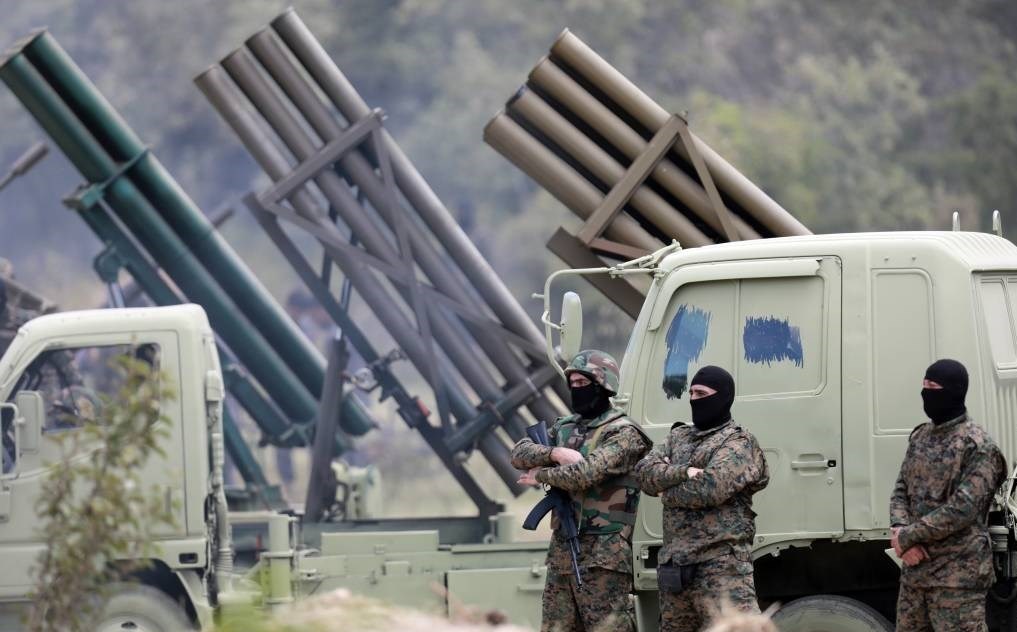
Strategically, Hezbollah’s deployment of one‑way attack drones adds another layer to its deterrence toolkit against Israel. The group has long relied on a massive arsenal of rockets and missiles to threaten Israeli population centers and critical infrastructure. Drones give it more flexibility: they are cheaper than precision missiles, more maneuverable than rockets, and can be used to probe Israeli air defenses or hit discrete military targets. For Israel, repeated strikes on northern bases test the effectiveness of layered air defenses already stretched by threats from Gaza, the West Bank, and longer‑range Iranian systems.
If these drone attacks continue or increase in sophistication, the pressure on Israeli decision‑makers to respond more forcefully will grow. That could mean targeted strikes deeper into Lebanese territory, expanded rules of engagement for the IDF near the border, or political moves to push for stronger international constraints on Hezbollah’s arsenal. Each option carries downside risk: broader military operations could drag Lebanon’s fragile state further into crisis, and diplomatic efforts are constrained by the lack of a functioning Lebanese government able to meaningfully rein in the group.
For Hezbollah’s leadership, incremental pressure via drones offers a way to signal solidarity with other fronts—particularly the Palestinian arena—without immediately unleashing the full scale of its rocket force. But the more routine such attacks become, the greater the chance that one strike will cause significant Israeli casualties or visible damage to critical facilities, forcing a response that is harder to calibrate. The question is no longer whether the northern front is active, but how long both sides can manage it without a major escalation.
Key Takeaways
- Hezbollah launched kamikaze drones, reportedly Sayyad‑2 one‑way attack UAVs, at an Israeli military site in northern Israel on 14 June.
- Early reports show no confirmed casualty figures or detailed damage assessment, and Israeli authorities had not fully commented at the time of writing.
- Drone use raises psychological stress for civilians in border communities by making attacks more precise and less predictable.
- Strategically, the incident adds pressure on Israel’s northern air defenses and demonstrates Hezbollah’s growing unmanned capabilities.
- Repeated strikes of this kind could increase the risk of a broader confrontation along the Lebanon‑Israel frontier.
Outlook & Way Forward
If Hezbollah continues to lean on loitering munitions, Israel is likely to further adapt its air defense posture in the north, including more point‑defense systems around key bases and enhanced electronic warfare measures. This would come on top of already significant resource demands from other fronts, tightening the strain on Israeli military planning.
Diplomatic channels through Beirut, Washington, Paris, and the UN Interim Force in Lebanon (UNIFIL) will face new pressure to keep incidents contained. Yet Hezbollah’s military decisions are not fully aligned with the Lebanese state, limiting the impact of traditional crisis‑management tools. For now, both sides appear to be operating under an unspoken ceiling, testing each other’s red lines without openly crossing them.
The risk is that one successful strike or misinterpreted response shifts that balance overnight. Border residents, already used to living within the blast radius of strategy, will be the first to feel the cost if the current low‑intensity confrontation tips into a sustained conflict.
Sources
- OSINT