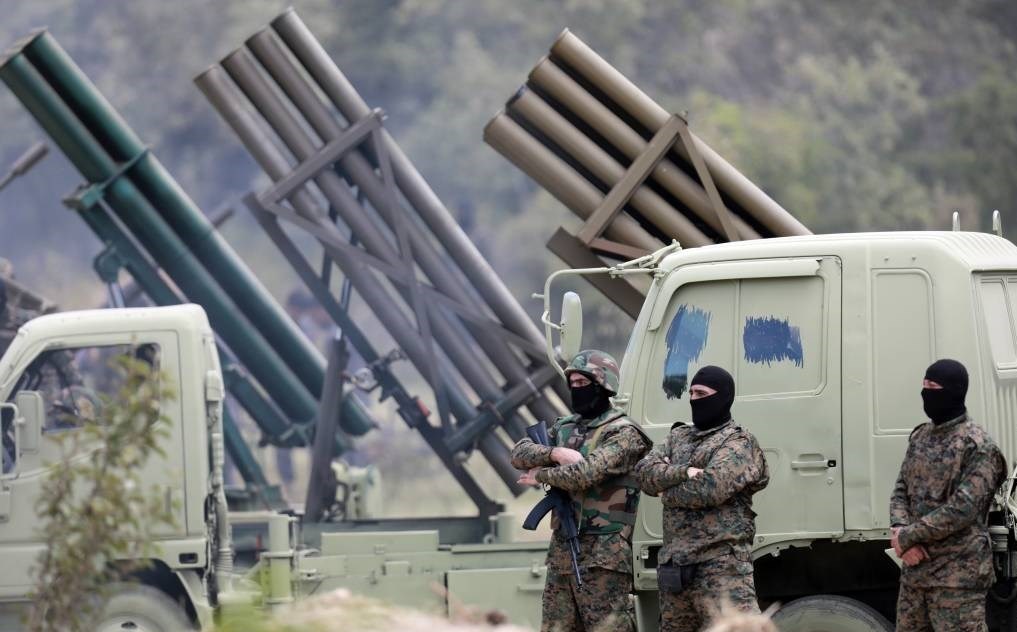
Hezbollah’s Iranian 358 Missile Strike on Israeli Drone Raises New Airspace Risks
Hezbollah released footage of an Israeli Heron‑1 drone being shot down over Lebanon by an Iranian‑made 358 loitering anti‑air missile, showcasing a weapon designed to stalk and ambush aircraft. For Israeli pilots, UN peacekeepers, and Lebanese civilians living under near‑constant overflights, the encounter signals a more dangerous, less predictable fight for control of the skies.
Hezbollah’s downing of an Israeli Heron‑1 drone with an Iranian‑designed 358 loitering anti‑air missile has pushed the Lebanon–Israel conflict into a more technologically volatile phase, where low‑flying aircraft—and the people living beneath them—face a sharper, less predictable threat.
On June 13, Hezbollah released footage from June 11 purportedly showing its fighters tracking and destroying an Israeli Heron‑1 reconnaissance and strike drone over the area of Nahle in Lebanon’s Baalbek district. The group said it used an Iranian 358 loitering anti‑air missile, an unusual system that combines features of surface‑to‑air missiles and loitering munitions. The Heron‑1 is a large, long‑endurance unmanned aerial vehicle used by Israel for surveillance and, in some configurations, strike missions. Israel has not publicly confirmed the shootdown, but the imagery marks Hezbollah’s latest attempt to showcase its ability to contest Israeli air dominance over Lebanon.
For people on the ground, the story is not just about hardware. Lebanese communities under frequent Israeli drone and jet overflights live with the constant hum and the fear that a malfunction, shootdown, or miscalculated strike could send wreckage or munitions into homes, fields, or crowded streets. The introduction of loitering anti‑air systems adds a new layer: missiles can orbit and wait for targets, potentially lengthening the window during which debris and explosions might occur over populated areas. On the Israeli side, residents near the border and in northern towns know that drones like the Heron‑1 are intended to detect rocket launchers and cross‑border infiltrations—any degradation of that surveillance capability raises their anxiety about “what Israel cannot see.”
Strategically, the engagement matters because it suggests Hezbollah is refining a layered air defense concept backed by Iranian technology. The 358 missile, previously documented in other regional theaters, is designed to loiter in a patrol area and home in on aircraft emissions, complicating flight planning for adversary drones and helicopters. If Hezbollah can deploy multiple such systems across Lebanon, Israel will need to adapt routes, altitudes, and electronic countermeasures for its unmanned and possibly manned aircraft, potentially reducing the persistence and coverage of its surveillance.
The shootdown also sends a message beyond the immediate theater. For Tehran, every public demonstration that its partners can contest Israeli or Western airpower strengthens its deterrence narrative and raises the cost of reconnaissance and strike missions near its sphere of influence. For UN peacekeepers and humanitarian actors in Lebanon, a denser, more contested airspace raises safety and deconfliction challenges, as more actors with more sophisticated systems operate in overlapping areas.
What to watch now is whether this was a one‑off demonstration or the start of a pattern. A string of successful engagements against Israeli drones would signal that Hezbollah has both the inventory and the tactical integration to mount sustained air denial in parts of Lebanon. In turn, Israel might respond by escalating efforts to preempt or destroy 358 launchers and associated radar or guidance assets, potentially widening its target set and bringing strikes closer to civilian areas.
Key Takeaways
- Hezbollah released footage it says shows the June 11 shootdown of an Israeli Heron‑1 drone over Nahle in Baalbek district using an Iranian 358 loitering anti‑air missile.
- The Heron‑1 is a large surveillance and strike‑capable UAV, and its loss—if confirmed—would mark a notable success for Hezbollah’s air defense efforts.
- The 358 system’s loitering design complicates air operations by allowing missiles to patrol and ambush aerial targets rather than firing along a fixed trajectory.
- For civilians, a more contested sky means greater risk from falling debris and misdirected munitions, and for Israeli border communities, potential gaps in aerial surveillance.
- The incident underlines Iran’s role in arming proxies with increasingly sophisticated tools to challenge Israeli and Western airpower.
Outlook & Way Forward
In the near term, Israeli defense planners are likely to adjust drone flight patterns over Lebanon and refine electronic warfare and counter‑measure packages to better detect and defeat loitering anti‑air systems. Additional Heron‑1 or other UAV losses would put pressure on Israel to escalate preemptive strikes on suspected missile stocks and command nodes, widening the conflict’s footprint inside Lebanon.
Longer term, the spread of systems like the Iranian 358 will make it harder for any regional air force to operate uncontested at low and medium altitudes over proxy‑controlled territories. That dynamic pushes militaries toward higher‑altitude platforms, more expensive stealth assets, and heavier reliance on space‑based surveillance, raising costs and complexity. For diplomatic actors seeking to de‑escalate, the growing sophistication of non‑state arsenals complicates any future security arrangements that would rely on air monitoring or no‑fly zones, because those agreements will have to account not only for state air defenses but also for diffuse, mobile launchers in the hands of armed groups.
Sources
- OSINT