Hezbollah’s Missile Downing of Israeli Heron Drone Raises Air War Costs
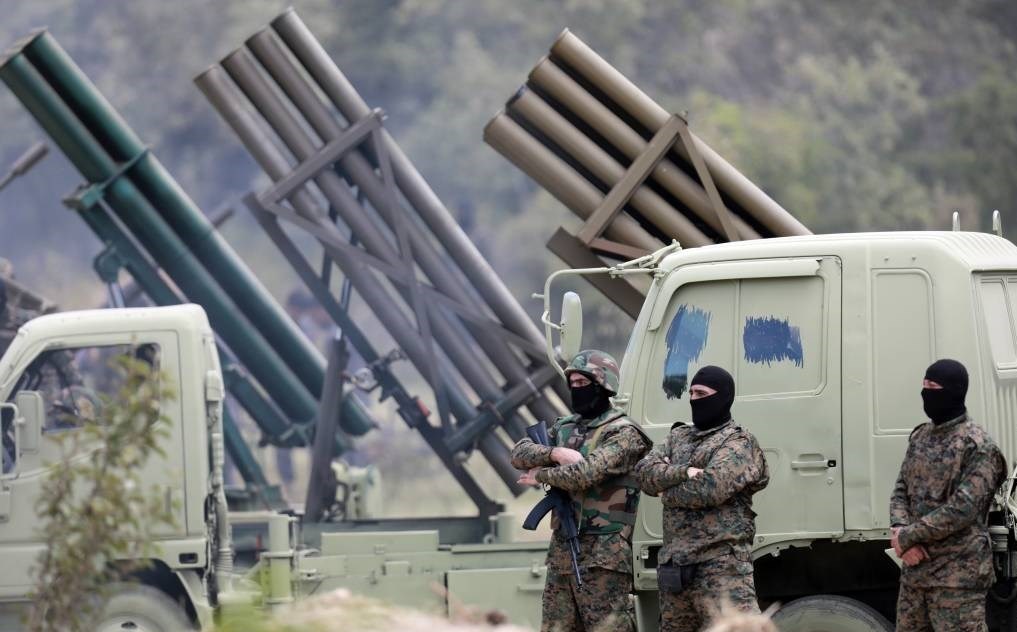
Hezbollah says it shot down an Israeli Heron MALE surveillance drone over Lebanon’s Bekaa Valley using an Iranian‑made Misagh‑358 loitering surface‑to‑air missile, marking another hit on a high‑value asset in the border conflict. As the skies over Lebanon grow more crowded with unmanned aircraft and precision weapons, the incident pushes both sides toward a more expensive and unpredictable air war.
The war over Lebanon is increasingly being fought by machines — and Hezbollah’s latest claim suggests those machines are getting easier to knock out of the sky. The group says it has downed an Israeli Heron medium‑altitude, long‑endurance drone over the Bekaa region with an Iranian‑made Misagh‑358 loitering surface‑to‑air missile, an engagement that sharpens the risks and costs of Israel’s once‑dominant unmanned surveillance layer.
According to reports from Lebanon, Hezbollah launched the Misagh‑358 against an Israel Defense Forces Heron UAV operating over the Bekaa Valley, successfully bringing it down. Visual evidence circulating online appears to show debris consistent with a large unmanned aircraft, though precise geolocation and independent confirmation remain incomplete. The Heron, produced by Israel Aerospace Industries, is a workhorse of the IDF’s intelligence, surveillance, and reconnaissance (ISR) fleet, capable of flying for long hours at medium altitude to collect imagery and signals intelligence; it is far more valuable than smaller tactical drones.
For communities under these flight paths, the incident is another reminder that the sky itself has become contested territory. Residents of the Bekaa have grown accustomed to the hum of Israeli drones overhead and the fear that strikes, not just surveillance, could follow. A successful shoot‑down does not only vindicate Hezbollah’s narrative of resistance; it also raises the risk that falling debris or misfired missiles could hit homes, farms, or roads, adding yet another layer of hazard to everyday life in a region already under economic strain and caught in the spillover from fighting along the border.
Operationally, the loss of a Heron matters. These drones are expensive and integral to the IDF’s ability to monitor Hezbollah movements, locate launch sites, and cue strikes without constantly exposing manned aircraft to air defenses. If Hezbollah can reliably threaten or down such platforms using systems like the Misagh‑358 — reportedly an Iranian design optimized for loitering near air corridors and engaging slowly moving aerial targets — Israel may be forced to fly higher, farther, or less often, degrading the quality of its intelligence picture over eastern Lebanon.
The engagement also hints at the maturation of Hezbollah’s Iranian‑supplied air defense ecosystem. While the group has long possessed man‑portable air‑defense systems (MANPADS), the Misagh‑358’s characterization as a “loitering” surface‑to‑air weapon suggests a move beyond shoulder‑fired, line‑of‑sight shots into more flexible, persistent engagement methods. For Israel, that development compresses the operating envelope for drones and potentially for helicopters or slow‑moving aircraft, complicating contingency plans for evacuations, insertions, or close air support in the event of a wider war.
Strategically, a pattern of successful shoot‑downs could alter the cost calculus on both sides. For Israel, the risk is that an incremental campaign of attrition against its drone fleet adds up to significant financial losses and intelligence blind spots over time. For Hezbollah and its backers in Tehran, demonstrating the ability to remove high‑end ISR assets from the sky enhances deterrence and bolsters their claim that Israeli technological superiority is no longer decisive. It also provides Iran with a live testing ground for air‑defense concepts it might apply in other theaters.
Key Takeaways
- Hezbollah claims it shot down an Israeli Heron MALE drone over Lebanon’s Bekaa Valley using an Iranian‑made Misagh‑358 loitering surface‑to‑air missile.
- The Heron is a high‑value, long‑endurance ISR platform, making its loss more significant than that of smaller tactical drones.
- The engagement increases risks for civilians under contested airspace, who face hazards from both drone operations and air‑defense attempts.
- The incident suggests Hezbollah is fielding more capable and flexible air‑defense systems, likely with Iranian support.
- If repeated, such shoot‑downs could erode Israel’s intelligence advantage and force costly changes in its air operations over Lebanon.
Outlook & Way Forward
In the near term, Israel is likely to adjust flight profiles, altitudes, and routes for its drones over eastern Lebanon, trading some intelligence fidelity for survivability. The IDF may also experiment with more robust electronic warfare, decoys, or counter‑SEAD tactics specifically tailored to systems like the Misagh‑358. Each adaptation, however, comes with costs in complexity, bandwidth, and risk to other assets.
For Hezbollah and Iran, a verified track record of downing advanced drones would be a propaganda boon and a practical proof of concept. That, in turn, could encourage further deployment of such systems in other theaters where U.S. and allied drones operate, from Iraq to the Gulf. The broader bet for both sides is whether escalating the air war through better defenses and more sophisticated unmanned platforms stabilizes deterrence — or simply creates new opportunities for miscalculation, including the downing of a manned aircraft that could rapidly widen the conflict.
Sources
- OSINT