Israel–Lebanon Ceasefire Deal Tests Whether Hezbollah Will Leave Civilians Out of the Next Round
Israel and Lebanon have agreed to renew a fragile ceasefire built on the ‘complete cessation’ of Hezbollah fire and the evacuation of its fighters from south of the Litani River. But Hezbollah has repeatedly rejected such talks, leaving civilians in northern Israel and southern Lebanon wondering whether the paper deal will keep rockets out of their skies — or simply reset the countdown to the next escalation.
On paper, the latest deal between Israel and Lebanon promises something communities on both sides of the border have craved for months: quiet skies and the removal of armed fighters from the fields and villages where families live. In practice, the agreement’s core condition — that Hezbollah halt all fire and pull its operatives north of the Litani River — depends on a group that says it does not recognize the talks that produced it.
Late on 3 June and into 4 June, Israeli and Lebanese officials agreed to renew a fragile ceasefire and create Lebanese security zones in the south. A joint statement released by the U.S. State Department describes the arrangement as being based on the “complete cessation of Hezbollah fire” and the evacuation of all Hezbollah operatives from the sector south of the Litani River, effectively turning that swath of territory into a buffer. The announcement follows separate reporting that the parties will resume talks in Washington on 22 June, with the United States acting as mediator.
For residents of northern Israel and southern Lebanon, the language of “security zones” and “evacuation” is measured against years of rockets, artillery, and cross‑border raids. Farmers whose fields lie within sight of the border, families in towns like Kiryat Shmona and villages in southern Lebanon, and the tens of thousands of people already displaced by earlier fighting have lived with repeated shelter alerts and the constant question of whether they can safely return home. A ceasefire that does not fully bind Hezbollah leaves them exposed to a familiar pattern: brief lulls followed by sudden flares that pull civilians back into the blast radius.
Strategically, the deal is ambitious. Getting Hezbollah to pull its armed presence north of the Litani would echo elements of past U.N. resolutions that have struggled in practice. It would carve out space for the Lebanese state — and potentially international forces — to assert more control along the frontier, easing Israeli security concerns and reducing the risk that a local skirmish spirals into a larger Israel–Iran confrontation via Hezbollah. But a key complication is already on the table: Hezbollah has repeatedly stated that it does not recognize Israeli‑Lebanese ceasefire talks and will not abide by them, tying its own fire to broader negotiations involving Iran and the United States.
That stance turns the new ceasefire into a layered gamble. Israel is betting that pressure on Lebanon’s government and backing from Washington can create a de facto quieter border, even if Hezbollah keeps its formal distance from the text. Lebanon’s leaders are trying to trade diplomatic engagement and security zone commitments for some respite from conflict in a country already battered by economic collapse. The U.S. is staking credibility as a broker on its ability to turn that framework into real de‑escalation while keeping regional talks with Iran on track.
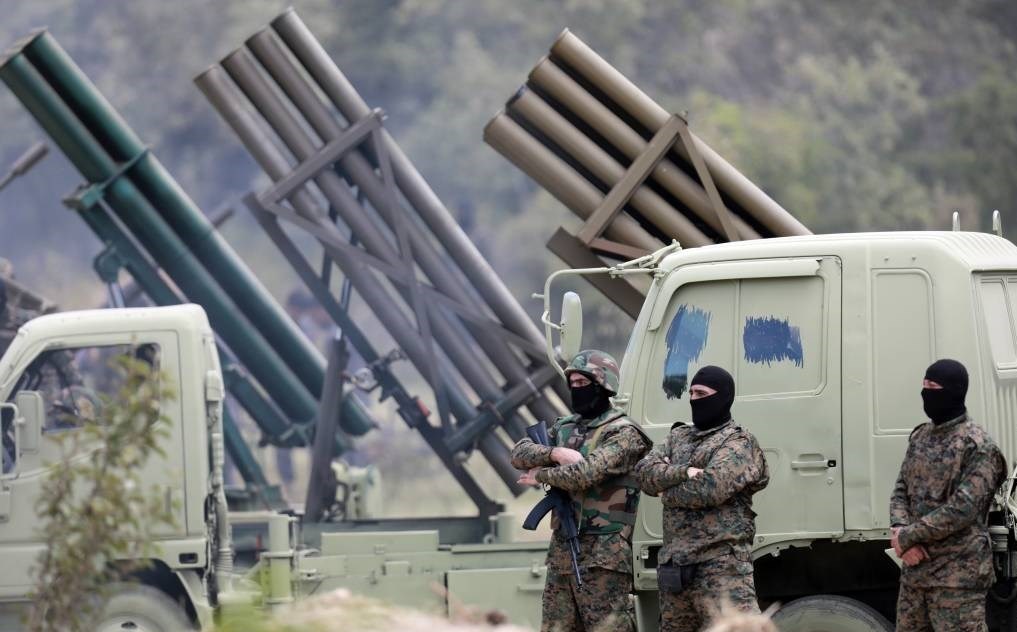
The immediate watchpoints are clear. Any measurable pullback of visible Hezbollah infrastructure south of the Litani — bunkers, observation posts, or launch sites — would suggest at least tactical compliance. Continued or sporadic rocket or anti‑tank fire from the same areas, even as officials in Beirut and Jerusalem talk up the ceasefire, would confirm Hezbollah’s intent to keep its own timetable, not Washington’s. Movement to establish and staff the new security zones will indicate how much capacity Beirut can muster and how deeply the international community is willing to invest.
Key Takeaways
- Israel and Lebanon have agreed to renew a ceasefire and establish security zones in southern Lebanon, anchored on halting Hezbollah fire and evacuating its operatives from south of the Litani River.
- A joint statement via the U.S. State Department sets ambitious conditions that, if implemented, could radically reduce cross‑border fire.
- Hezbollah has repeatedly said it does not recognize such ceasefire talks and will continue fighting until there is a broader deal involving Iran and the United States.
- Civilians in northern Israel and southern Lebanon remain at risk if the group chooses to operate outside the framework of the state‑to‑state agreement.
- Implementation — visible Hezbollah pullback, creation of security zones, and talks resuming in Washington on 22 June — will determine whether this is a turning point or another pause before renewed escalation.
Outlook & Way Forward
If the ceasefire terms begin to hold on the ground, even imperfectly, they could open a window for Lebanese authorities and international partners to gradually expand state control in the south, reducing Hezbollah’s direct presence along the border without forcing a direct confrontation. That would not dismantle Hezbollah’s arsenal or its role in Lebanese politics, but it could lower the day‑to‑day risk that a local clash drags both countries into a broader war.
If, however, Hezbollah continues to operate as if the agreement does not exist, the gap between diplomatic language and battlefield reality will widen. Israel would then face a familiar choice between tolerating a degree of ongoing harassment or launching more forceful operations that risk pulling in Iran and reshaping the northern front. For Washington, success or failure of this ceasefire will serve as an early test of whether wider Iran‑U.S. negotiations can deliver tangible security improvements for frontline communities — or whether those communities remain bargaining chips in a larger regional game.
Sources
- OSINT