Hezbollah Vows to Keep Bombarding Israel as U.S. Sources See Lebanon Ceasefire Taking Shape
A senior Hezbollah official insists the group will not halt rocket fire into northern Israel, even as American diplomatic sources predict a Lebanon-wide ceasefire within days. Civilians on both sides of the border are caught between battlefield defiance and quiet negotiations over whether Hezbollah will pull back or Israel will keep striking inside Lebanon.
Northern Israel and southern Lebanon remain trapped between public threats and private diplomacy. As Hezbollah publicly vows to keep bombarding Israeli territory, U.S.-linked diplomatic sources in Beirut suggest a ceasefire framework covering all of Lebanon could soon be on the table — without requiring an Israeli withdrawal or a full stop to Israeli ground operations.
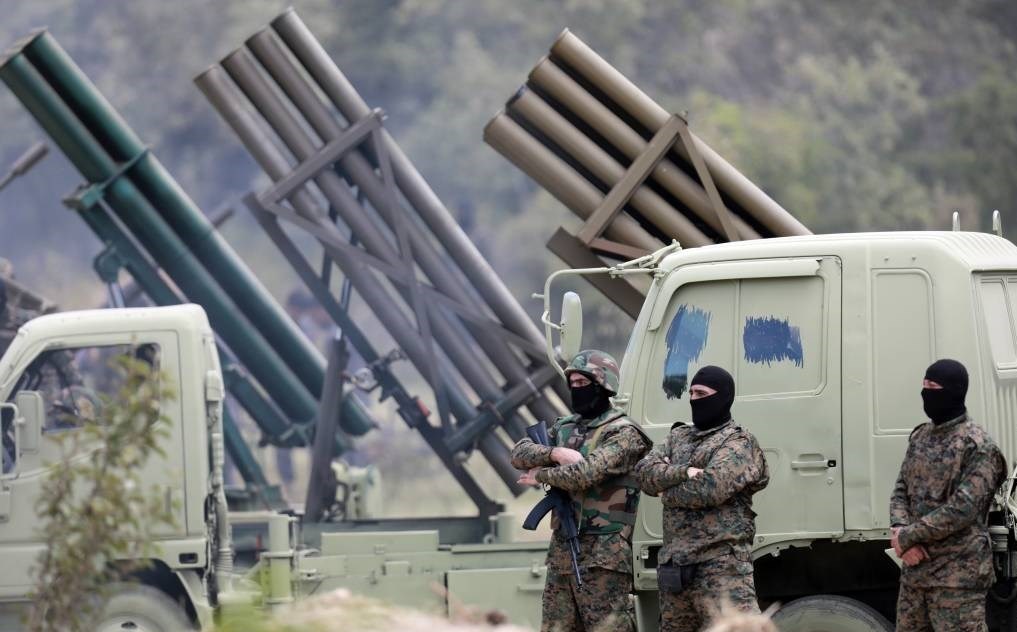
Mahmoud Qammati, deputy head of Hezbollah’s Senior Political Council, told Kurdish media that the group has informed “all relevant parties” it will not accept any deal that trades Hezbollah’s Beirut stronghold of Dahiyeh for quiet in northern Israel. The message rejects proposals that would spare the southern suburbs of Beirut from Israeli strikes in exchange for Hezbollah halting rocket and missile fire on Israeli border communities. Instead, Qammati said Hezbollah will not stop its bombardment, framing continued fire as leverage and as part of the broader confrontation linked to the Gaza war.
The human impact on border populations has been relentless. Israeli communities in the north face regular evacuation orders, school disruptions, and intermittent rocket and drone alerts that have made normal life impossible for many families. On the Lebanese side, repeated Israeli strikes — including, according to Lebanese sources, fresh attacks on 2 June against multiple villages such as Deir Qanoun Ras al‑Ain, Klawiya, Debbine, Haddatha, Sarifeh and Qaaqaiyat al‑Jisr — have driven residents from their homes and left local hospitals and infrastructure under pressure. The UN Population Fund has publicly condemned Israeli attacks on medical facilities in Lebanon, arguing that they cripple care for some of the country’s most vulnerable communities. For people living anywhere near the frontier, the gap between talk of de‑escalation and the daily sound of explosions is widening.
Strategically, both Hezbollah and Israel are fighting over the rules of the next phase. Hezbollah has tied its fire to the war in Gaza, hinting that it could reduce attacks if there is a meaningful ceasefire there but refusing to accept a separate Lebanon-only bargain that leaves it disarmed or pushed far from the border. Israel’s leadership, for its part, has repeatedly stated that it will not tolerate Hezbollah forces and weapons remaining within easy range of its northern towns. That sets up a collision between Hezbollah’s insistence on maintaining a forward posture and Israel’s demand for strategic depth, whether through diplomacy, force, or both.
Into this tension, Lebanese broadcaster Al‑Jadeed, citing American diplomatic sources, reported that a ceasefire could be reached across all of Lebanon in the coming days. According to those sources, the envisaged deal would not require an Israeli withdrawal from southern Lebanon — where Israel has reportedly conducted ground incursions to hit Hezbollah infrastructure — and would not fully halt Israeli “activity on the ground.” The suggestion is that Israel would retain freedom to strike remaining Hezbollah assets while both sides reduce or halt cross‑border fire, creating space for “serious negotiations” over a more durable arrangement.
That reported framework immediately raises questions. For Hezbollah, agreeing to a ceasefire while Israel keeps boots or regular raids on Lebanese soil would risk looking like a capitulation, especially after months of messaging that the group is defending Lebanon’s sovereignty. For Israel, limiting air and artillery strikes without a verifiable pullback or disarmament of Hezbollah units near the border might feel like accepting a temporary pause that leaves the underlying threat intact. Civilians, meanwhile, have no guarantee that any ceasefire would hold longer than previous fragile truces.
What happens next depends on whether private understandings can bridge public red lines. If Hezbollah continues to fire at roughly current levels, Israeli pressure — both military and domestic political — to conduct deeper ground operations in southern Lebanon will grow. That, in turn, raises the risk of a wider war dragging in more of Lebanon’s territory and potentially other regional players. If, however, a ceasefire does materialize and is paired with mediated talks on redeploying heavy Hezbollah assets further from the border, the immediate artillery threat to northern Israel could ease without either side openly claiming defeat.
Key Takeaways
- A senior Hezbollah official has publicly rejected any deal that trades protection of Beirut’s Dahiyeh suburb for quiet in northern Israel and says the group will not stop bombarding Israel.
- Lebanese sources report ongoing Israeli strikes on multiple villages in southern Lebanon, adding to civilian displacement and damage to infrastructure.
- The UN Population Fund has denounced Israeli attacks on hospitals in Lebanon, warning of severe impacts on access to healthcare.
- American diplomatic sources quoted in Lebanese media say a Lebanon-wide ceasefire could be reached soon, without Israeli withdrawal or a full halt to ground activities.
- The gap between Hezbollah’s public defiance and reported back‑channel ceasefire talks leaves civilians on both sides of the border exposed to sudden escalation or abrupt lulls.
Outlook & Way Forward
If the reported ceasefire framework advances, watch for subtle shifts rather than dramatic announcements: a gradual reduction in rocket launches, changes in Israeli targeting patterns, and new language from both sides about “conditions” for calm. International mediators will likely push for parallel talks on redeploying Hezbollah forces away from the border and clarifying what Israeli “activity on the ground” would still be allowed.
If no ceasefire takes hold and Hezbollah maintains or increases fire, the probability of a broader Israeli ground campaign in southern Lebanon will rise. That would bring heavier destruction to Lebanese towns, threaten to overwhelm already fragile services, and test the willingness of external actors — from Washington to Tehran — to keep the conflict contained. Either scenario leaves Lebanon’s south and Israel’s north living with uncertainty, as military calculations and diplomatic gambits continue to play out over their heads.
Sources
- OSINT