Hezbollah’s Drone and Rocket Barrage Puts Northern Israel’s Defenses and Civilians Under Strain
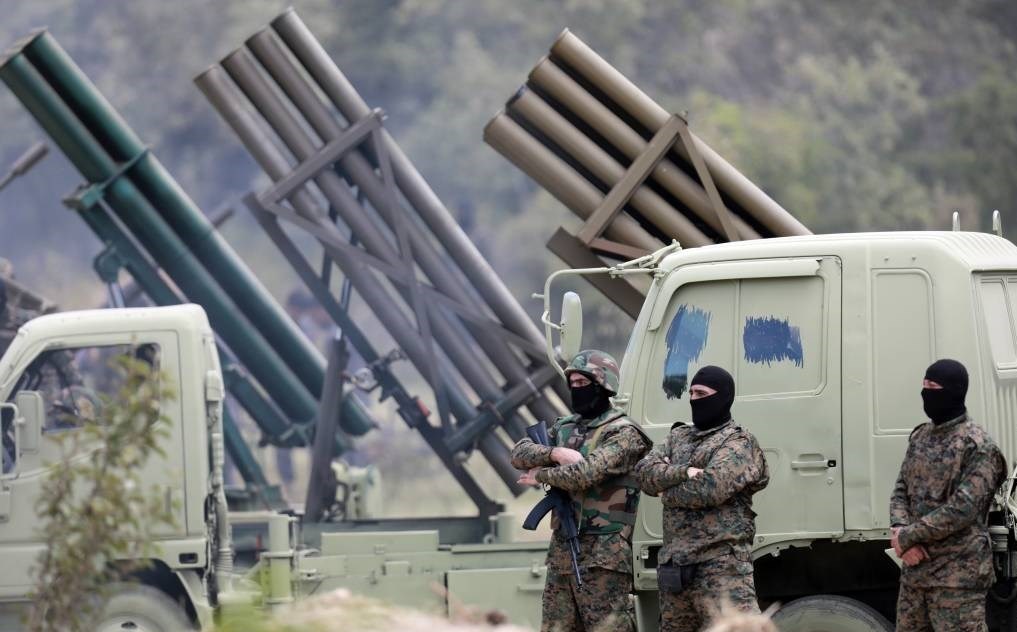
Hezbollah has intensified rocket and drone attacks on northern Israel for a second day, striking IDF positions, targeting an Iron Dome launcher, and killing an elite Israeli soldier in southern Lebanon. Residents from Kiryat Shmona to Tiberias and front‑line units now face a daily grind of sirens and precision strikes that is pushing the border conflict closer to a broader war.
Northern Israel and southern Lebanon are again absorbing the kind of sustained, multi‑day fire that turns border tensions into a grinding front. Hezbollah has stepped up rocket and drone attacks on Israeli territory for a second consecutive day, while an elite Israeli soldier was killed by an explosive drone inside Lebanon—evidence that unmanned systems are now integral on both sides of the line.
The Israel Defense Forces (IDF) on 1 June confirmed the death of Staff Sergeant Adam Tzarfati, 20, of the Maglan Reconnaissance Unit of the elite 89th Commando Brigade, in fighting in southern Lebanon. According to the IDF, an explosive drone equipped with thermal imaging equipment struck Israeli forces operating at night, fatally wounding Tzarfati and severely injuring another soldier, with two more lightly wounded. The incident is likely linked to a recent IDF ground operation north of the Litani River near Beaufort Castle, an area where Israel has sought to disrupt Hezbollah launch and observation sites.
On the Israeli home front, Hezbollah has kept up heavy rocket fire into northern towns and cities including Kiryat Shmona, Tiberias, Safed, Karmiel, Shlomi, Ma’alot‑Tarshiha, and Kisra‑Sumei, as well as smaller border communities. Sirens have repeatedly driven residents into shelters, and while the IDF says it has intercepted at least several of the incoming rockets, others have impacted in or near populated areas. Parallel drone activity has been reported; Hezbollah has released footage of FPV drone strikes on an Israeli Iron Dome launcher near Biranit and on an IDF vehicle at the Galilee Forest Camp base near Shtula. Israel has not detailed casualties from those specific attacks.
For civilians on both sides of the border, the cumulative effect is corrosive. Northern Israeli communities already living with partial evacuations, disrupted schooling, and shuttered businesses face another round of sleepless nights and sudden dashes to reinforced rooms. On the Lebanese side, families near launch areas and suspected Hezbollah positions know from experience that every rocket salvo invites airstrikes; past escalations have turned towns like Deir Seryan—cited in Hezbollah footage as a launch zone—into temporary battlefields. The death of a 20‑year‑old commando and images of high‑tech drones targeting Iron Dome launchers underscore that this is not a contained exchange of artillery, but a conflict that leaves individual soldiers and bystanders acutely vulnerable.
Strategically, Hezbollah’s choice of targets—air defense assets, forward IDF bases, and multiple Israeli urban centers—pushes at Israel’s deterrence posture. FPV drone strikes on Iron Dome launchers carry outsized symbolic weight, challenging the perceived invulnerability of systems that have protected Israeli cities for more than a decade. For Israel, continued cross‑border fire and the killing of an elite commando inside Lebanon strengthen arguments within the security establishment that only deeper ground incursions or heavier air campaigns can restore deterrence.
If this pattern holds, the risk of miscalculation or deliberate escalation increases. Hezbollah’s multi‑vector attacks—rockets, guided mortars, and drones—raise the chance that one strike will cause mass casualties or hit sensitive infrastructure, generating intense domestic pressure in Israel for a larger response. Hezbollah, for its part, rides a fine line between demonstrating solidarity with other fronts and inviting a broader war that Lebanon’s fractured state and economy are ill‑prepared to absorb.
Key Takeaways
- An IDF Maglan commando, Staff Sergeant Adam Tzarfati, was killed and three other soldiers were wounded by an explosive drone in southern Lebanon.
- Hezbollah has intensified attacks on northern Israel for a second day, firing rockets toward cities including Kiryat Shmona and Tiberias and using drones against IDF targets.
- Hezbollah released footage of an FPV drone strike on an Israeli Iron Dome launcher near Biranit and on an IDF vehicle near Shtula.
- Israeli air defenses have intercepted some rockets, but multiple impacts have been reported in or near populated areas.
- The tempo and precision of attacks increase pressure on Israel’s leadership to consider a broader military response in Lebanon.
Outlook & Way Forward
In the near term, both Hezbollah and Israel appear locked into a cycle of calibrated escalation: Hezbollah broadens its target set, including symbolic assets like Iron Dome batteries, while Israel responds with airstrikes on launchers and infrastructure in southern Lebanon and limited ground probes. The death of an elite Israeli soldier will sharpen internal debates over whether to accept a long war of attrition on the northern border or to undertake a more decisive—and riskier—operation north of the Litani.
The wider question is how long Lebanese society and the Israeli north can live with this level of insecurity. Extended displacement, economic disruption, and mounting casualties will generate stronger political pressure on Beirut, Jerusalem, and external actors from Washington to Paris to impose clearer rules of engagement or broker localized understandings. Absent that, each successful drone or rocket strike on a high‑value military target—or a crowded civilian area—could be the spark that pushes this front from managed confrontation into a regional war.
Sources
- OSINT