Hezbollah’s Drone and Rocket Barrage Tests Israel’s Northern Shield and Air Defense Limits
Hezbollah has intensified rocket and drone attacks on northern Israel for a second straight day, while releasing footage of strikes on an Iron Dome launcher and IDF assets near the Lebanon border. Northern communities now live under frequent sirens as both sides probe how far they can push without triggering a wider war — and how much punishment Israel’s air defenses can realistically absorb.
Northern Israel is being pulled deeper into active conflict as Hezbollah escalates its use of rockets and armed drones, directly challenging Israel’s air defenses and leaving border towns living under near‑constant sirens.
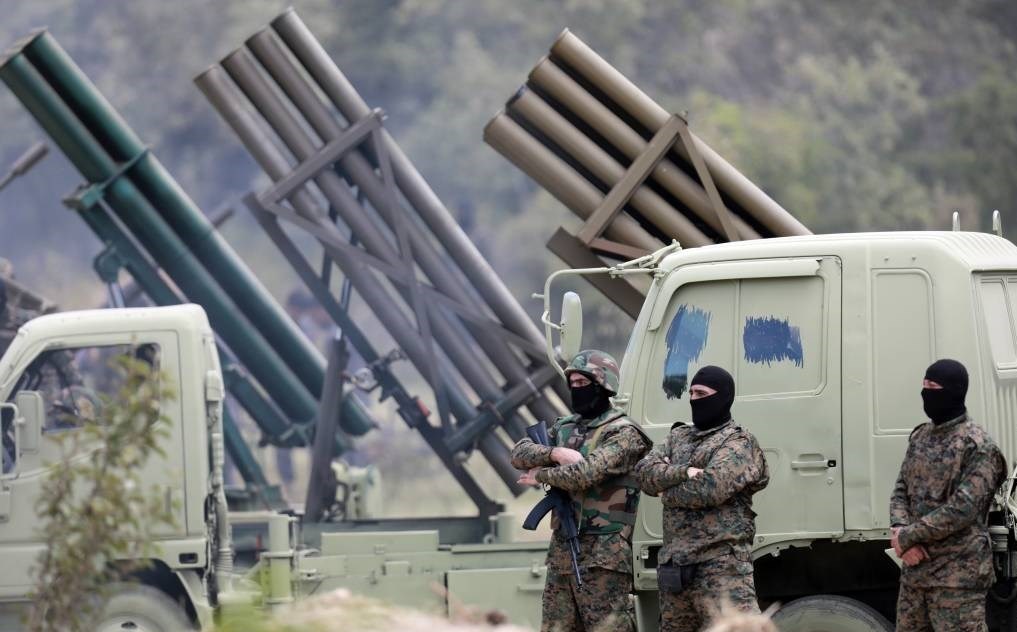
Over the past two days, Hezbollah has carried out intensified rocket barrages targeting a string of northern Israeli towns and cities, including Tiberias, Kiryat Shmona, Karmiel, Safed, Shlomi, Ma’alot‑Tarshiha and Kisra‑Sumei, as well as multiple border communities. The Israel Defense Forces say at least 10 rockets were intercepted, while at least another 10 impacted, nine of them reportedly in open areas. In parallel, Hezbollah has released footage of several drone and rocket operations: an FPV drone strike on an Israeli Iron Dome launcher near Biranit on the Israel‑Lebanon border; an FPV strike on an IDF vehicle at the Galilee Forest Camp base near Shtula; and launches of 107mm Fadjir‑1 rockets, 122mm rockets, and 120mm HM‑16 long‑range mortars against IDF positions near Deir Seryan in southern Lebanon. Israeli forces have responded with airstrikes, including on a rocket launcher they say was used to target Tiberias.
For residents of the north, the effect is immediate and personal. Families in Kiryat Shmona, Tiberias and smaller border towns are once again gauging whether they can safely sleep at home or should relocate farther south, as sirens and interceptions disrupt daily routines. Every new video of an Iron Dome launcher or IDF vehicle being hit lands not only as a tactical data point but as a psychological shock, eroding the sense that technology can fully shield civilians from incoming fire. Lebanese villages near Hezbollah launch sites and Israeli targets, including areas around Deir Seryan, also face the danger of being caught between outbound rockets and inbound Israeli airstrikes.
Strategically, Hezbollah’s choice to showcase successful strikes against Israeli military assets, especially an Iron Dome launcher, is significant. The group claims this brings the total number of visually confirmed strikes on Iron Dome launchers to seven — a small fraction of the system’s overall deployment, but a pointed reminder that the shield itself can be targeted. For Israel, the exchange underscores a long‑standing dilemma: how to maintain deterrence against Hezbollah without triggering a full‑scale war that would expose the depth of rocket and missile arsenals in southern Lebanon.
The growing role of drones — from Hezbollah’s thermal‑imaging and FPV platforms to Israel’s surveillance and strike UAVs — is turning the border region into a testing ground for modern, sensor‑rich warfare. The IDF confirmed that Staff Sergeant Adam Tzarfati, 20, from the Maglan reconnaissance unit of the elite 89th Commando Brigade, was killed in combat in southern Lebanon after an explosive drone struck IDF forces; another soldier was severely injured and two were lightly wounded in the same incident. That loss, linked to recent ground operations near Beaufort Castle north of the Litani River, illustrates the risk Israel takes as it pushes further into Lebanese territory to counter cross‑border fire.
If Hezbollah keeps up this intensity, Israel will face mounting pressure to either expand ground operations in Lebanon or accept a higher level of daily rocket and drone fire on its northern communities. Hezbollah, for its part, must balance its desire to signal resolve and support for other fronts with the risk that a mass‑casualty incident in Israel or a dramatic strike on critical infrastructure could cross an Israeli threshold for a far wider campaign. Civilians on both sides live with the knowledge that a single miscalculated volley or errant drone could abruptly widen the war.
Key Takeaways
- Hezbollah has intensified rocket and drone attacks on northern Israel for at least two consecutive days, hitting multiple towns and border communities.
- The group released footage of FPV drone strikes on an Iron Dome launcher near Biranit and an IDF vehicle near Shtula, as well as rocket and mortar fire on IDF positions.
- Israel reports multiple interceptions but also confirmed impacts; the IDF says a 20‑year‑old commando was killed and several soldiers wounded by an explosive drone in southern Lebanon.
- The exchanges test Israel’s northern air and ground defenses and increase pressure on both sides over whether to escalate to larger ground operations.
Outlook & Way Forward
Unless a separate diplomatic track imposes limits, the current rhythm of rocket and drone fire, met by targeted Israeli strikes in Lebanon, could harden into a more dangerous “new normal” along the border. In that scenario, northern Israeli communities would remain under periodic fire, and Lebanese border areas would continue to absorb retaliatory attacks, raising the odds of accidental mass‑casualty events.
A sharp escalation could come from either a high‑impact strike on Israeli civilians or a concentrated Israeli push deeper into Lebanon to clear launch zones. Regional and international actors, particularly the U.S., France and the UN, retain leverage to press for tighter rules of engagement or buffer arrangements, but the window for such measures narrows as each side tallies more casualties and becomes less willing to step back. For now, the frontier has become a laboratory for drone‑heavy warfare that leaves civilians on both sides in the blast radius of strategy.
Sources
- OSINT