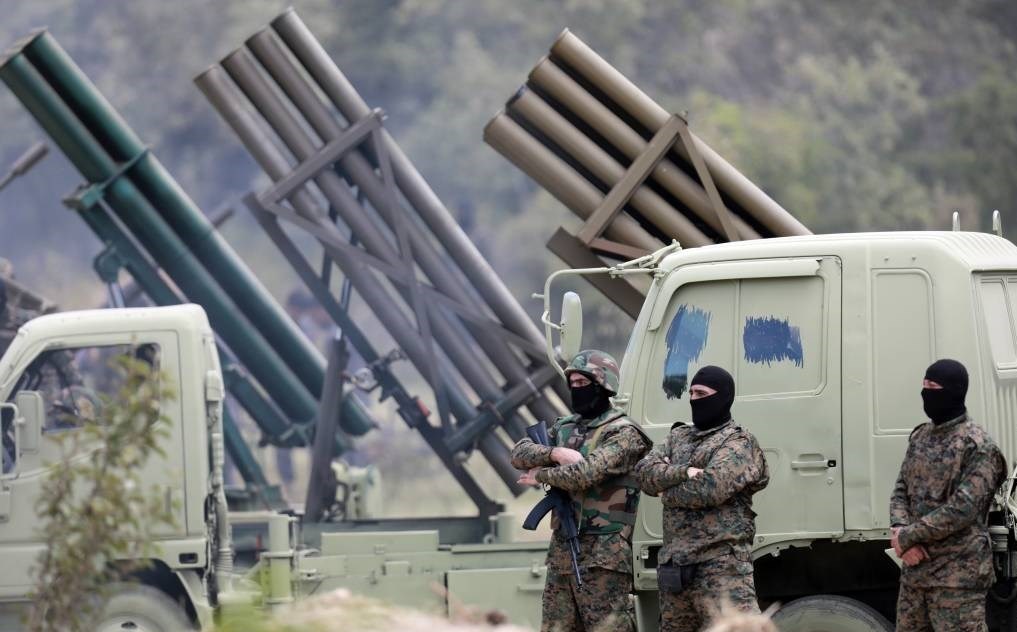
Lebanon Casualties Mount as Hezbollah–Israel Clash Intensifies
Lebanon’s Health Ministry reported on 20 May 2026 that 3,073 people have been killed and 9,362 wounded since the current round of fighting began, with 31 Lebanese killed in the previous 24 hours. The update, issued around 15:38 UTC, comes amid deepening cross-border strikes and reports of large-scale destruction in southern Lebanon.
Key Takeaways
- Lebanon’s Health Ministry said on 20 May that 3,073 people have been killed and 9,362 wounded in the current conflict, including 31 fatalities in the last day.
- Parallel reports describe extensive destruction and depopulation of villages in southern Lebanon due to Israeli military operations.
- Hezbollah continues offensive drone activity, including a recent strike that seriously wounded the commander of Israel’s 401st Brigade and targeted an Iron Dome launcher.
- The escalating attrition raises the risk of a wider regional war and a deepening humanitarian crisis along the Lebanon–Israel border.
On 20 May 2026, Lebanon’s Ministry of Health issued a grim update around 15:38 UTC: at least 3,073 people have been killed and 9,362 wounded in Lebanon since the latest round of fighting with Israel began. The ministry added that 31 Lebanese had died in the past 24 hours alone, underscoring an accelerating pace of casualties as cross-border exchanges intensify.
Simultaneously, accounts from the ground describe extensive destruction in southern Lebanon. Reports highlight entire villages being effectively erased through a combination of airstrikes, ground demolitions, and forced evacuations. According to local narratives, Israeli forces have not only used air-delivered munitions but also systematically wired buildings with explosives and deployed bulldozers to level structures, incentivized by pay-per-building arrangements. The result is the depopulation and physical eradication of communities that long formed a buffer zone and agricultural heartland.
On the Israeli side, the confrontation with Hezbollah has grown more lethal and technologically sophisticated. On 20 May, multiple sources indicated that the commander of Israel’s 401st Armored Brigade, Colonel Meir Biderman, was seriously injured in southern Lebanon, with further details at approximately 14:14 and 15:52 UTC specifying that he was hit by a Hezbollah explosive drone. In a separate incident highlighted around 15:03 UTC, Hezbollah released footage of an FPV (first-person-view) drone plunging directly into an Israeli Iron Dome interceptor launcher near Jall el Aalam, close to the border. The attack, conducted with a low-cost drone against a multi-million dollar air-defense asset, illustrates a growing vulnerability in Israel’s air and missile shield.
Key actors in this theatre include Hezbollah’s military wing, the Israeli Defense Forces (IDF), and Lebanese state institutions struggling to cope with the humanitarian fallout. International stakeholders—such as France, which has protested Israel’s treatment of flotilla activists, and regional players like Turkey condemning Israeli actions at sea—also influence the diplomatic backdrop. However, on the ground, the dynamic is driven by Hezbollah’s calculus of resistance and deterrence, and Israel’s effort to degrade Hezbollah’s capabilities and secure its northern frontier.
The casualty figures and destruction patterns matter not only for humanitarian reasons but also for their strategic implications. High Lebanese civilian tolls and widespread devastation risk radicalizing communities, undermining the Lebanese state, and entrenching Hezbollah’s narrative as the primary defender against Israel. For Israel, significant officer casualties and demonstrated vulnerabilities in high-end systems like Iron Dome challenge deterrence and could fuel calls for a more decisive, potentially ground-heavy campaign.
Regionally, sustained high-intensity conflict along the Lebanon–Israel border increases the probability of spillover. Iran’s role as Hezbollah’s main backer, coupled with heightened Israel–Iran tensions, creates a multi-front risk profile that includes Syria, Iraq, and maritime theatres. The humanitarian dimension is equally severe: mass displacement from southern Lebanon, disruption of essential services, and damage to agricultural land and infrastructure are already straining a country grappling with economic collapse and governance crises.
Outlook & Way Forward
In the near term, observers should track whether casualty rates in Lebanon continue to climb at the current pace or accelerate further, as this will be a key indicator of both operational tempo and targeting patterns. The frequency and effectiveness of Hezbollah’s drone strikes—especially against high-value Israeli targets like command elements or critical air-defense assets—will shape IDF decision-making on force protection and escalation options. Concurrently, diplomatic signals from key mediators, including Western and regional governments, will reveal whether there is any credible movement toward a ceasefire or de-confliction arrangement.
Over the medium term, the trajectory of the conflict will hinge on three variables: Israel’s appetite for a large-scale ground incursion into Lebanon, Hezbollah’s willingness to absorb losses while maintaining rocket and drone fire, and external pressures from Iran and the broader international community. A prolonged war would deepen Lebanon’s humanitarian catastrophe, further erode the authority of the central government, and risk drawing in additional actors. Conversely, a negotiated pause or new rules-of-engagement framework could stabilize the border temporarily but would leave core strategic issues unresolved. Analysts should watch for shifts in Israeli domestic politics, indications of Hezbollah’s force regeneration capacity, and any sign that external actors are prepared to underwrite a serious political settlement, rather than another temporary truce that merely sets the stage for the next round.
Sources
- OSINT