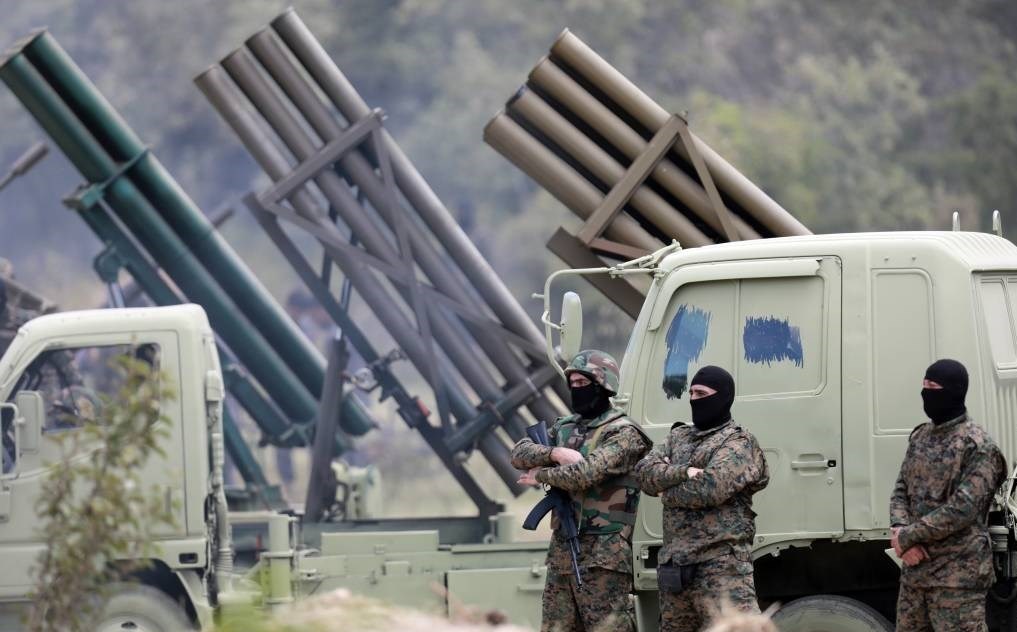
Hezbollah FPV Drone Strikes IDF Position Near Taybeh
Hezbollah fighters used a kamikaze FPV drone armed with an RPG-derived warhead to hit an Israeli military position in Taybeh, Lebanon, on 15 May 2026. The attack underscores the growing role of precision first-person-view drones along the Lebanon–Israel front.
Key Takeaways
- On 15 May 2026, Hezbollah deployed a kamikaze FPV drone against an Israeli military position in Taybeh, Lebanon.
- The drone was reportedly armed with a PG-7-type RPG warhead or similar improvised explosive device.
- The incident highlights the normalization of FPV drone strikes in the Hezbollah–Israel conflict, despite an extended ceasefire framework.
- Such attacks increase the risk of escalation and complicate efforts to stabilize the northern front.
On 15 May 2026, Hezbollah claimed responsibility for a first-person-view (FPV) kamikaze drone strike on an Israel Defense Forces position in the Taybeh area, near the Lebanon–Israel border. Reporting around 21:01 UTC described the munition as a small unmanned aerial vehicle fitted with a PG-7 variant rocket-propelled grenade warhead or a similar improvised explosive device.
The attack forms part of a pattern of low-to-medium intensity engagements along the border, even as diplomats work to extend and deepen ceasefire arrangements. FPV drones, controlled in real time by an operator using a video feed, offer non-state actors like Hezbollah the ability to carry out highly precise strikes against exposed positions, vehicles, or sensors at relatively low cost.
The background context includes months of reciprocal strikes between Hezbollah and Israel triggered by wider regional tensions and the ongoing conflict involving Israel and Palestinian factions. Although a ceasefire formally came into effect on 16 April and was extended by 45 days following U.S.-hosted talks on 14–15 May, both sides have continued to test the boundaries of what is permissible under the arrangement, often framing actions as defensive or retaliatory.
Key players are Hezbollah’s military wing, which has invested heavily in drone capabilities; the IDF units manning border positions; and the political leadership in Beirut and Jerusalem that must calibrate responses. Iran’s role as a primary supporter and technology provider to Hezbollah is also relevant, especially as Tehran faces its own pressure from potential U.S.–Israeli military moves.
The significance of the Taybeh strike lies in its operational and strategic implications. Operationally, FPV drones enable Hezbollah to bypass some of Israel’s conventional defenses, striking from unexpected angles or exploiting gaps in radar and electronic warfare coverage. The ability to deliver an RPG-class warhead with high accuracy against small targets enhances Hezbollah’s capacity to inflict casualties or damage with minimal exposure.
Strategically, the normalization of such attacks raises the potential for miscalculation. If an FPV strike causes substantial Israeli casualties or destroys high-value assets, domestic pressure on Israel to respond decisively could collide with diplomatic efforts to maintain calm. Similarly, Hezbollah may view these operations as calibrated messaging, but cumulative effects could push the conflict into a more intense phase.
Regionally, the increased use of FPV drones by non-state actors contributes to the diffusion of advanced combat methods across multiple theaters. Other groups in the region are likely to adapt tactics and technology, creating a more complex threat environment for conventional militaries. The Israel–Lebanon border thus functions as both a testing ground and a showcase for drone-enabled hybrid warfare.
Outlook & Way Forward
In the short term, observers should watch for Israeli retaliatory measures—whether through artillery strikes, airstrikes on suspected launch sites, or targeted operations against Hezbollah infrastructure. The degree of public acknowledgment by either side will provide clues as to whether they seek to downplay or spotlight the incident. If the strike is followed by a cluster of similar attacks, this would signal a deliberate Hezbollah campaign rather than an isolated action.
Diplomatically, mediators working on the Lebanon–Israel track will likely press both sides to reaffirm commitments to de-escalation and to narrow the scope of allowable military activity near the border. However, the ease and deniability associated with FPV drone use may limit the effectiveness of such agreements unless accompanied by robust monitoring and verification measures, which are hard to implement in practice.
Over the longer term, the Taybeh incident highlights the need for enhanced counter-drone capabilities, doctrine, and training on the Israeli side, and for awareness among regional actors that similar threats could proliferate. The trajectory of Hezbollah’s drone program—its range, payload, and integration with other strike systems—will be a key variable in assessing future escalation risks. Analysts should track changes in the frequency and sophistication of FPV attacks, shifts in IDF defenses, and any corresponding doctrinal updates or public guidance issued by both parties.
Sources
- OSINT