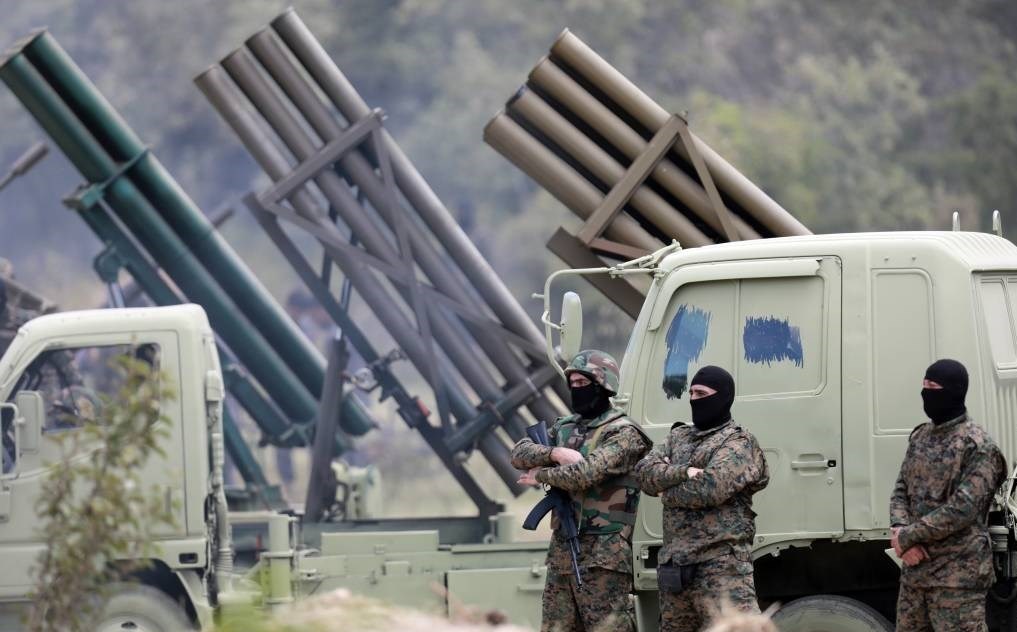
IDF Reports Heavy Weeklong Strikes on Hezbollah in Lebanon
Israel’s military says it hit more than 440 targets and killed over 220 Hezbollah fighters in southern Lebanon over the past week, according to a statement around 17:48 UTC on 15 May 2026. The figures highlight the intensity of cross-border clashes along the Israel–Lebanon frontier.
Key Takeaways
- As of 15 May 2026, the IDF reports over 440 strikes and more than 220 Hezbollah fighters killed in southern Lebanon over the preceding week.
- The figures indicate a daily average of roughly 62 strikes and 31 fighters killed, signaling a sustained, high‑tempo campaign.
- The disclosure comes amid continued Hezbollah attacks on northern Israel and heightened risk of broader regional escalation.
- Cross‑border engagements increasingly feature drones and precision munitions, expanding the technological sophistication of the conflict.
On 15 May 2026, around 17:48 UTC, Israel’s military announced that over the past week it had carried out more than 440 strikes and killed in excess of 220 members of Hezbollah in southern Lebanon. The statement translates to an average of about 62 strikes and 31 fatalities per day, underscoring a sustained and intense operational tempo along the Israel–Lebanon border.
These figures reflect a significant escalation phase in what has been a months‑long pattern of tit‑for‑tat exchanges between Hezbollah and the Israel Defense Forces (IDF). Israel has sought to degrade Hezbollah’s cross‑border attack capabilities through precision strikes on rocket launch sites, command posts, observation points, and logistical hubs in southern Lebanon. The weeklong tally suggests broad targeting across multiple sectors rather than isolated engagements.
At roughly the same time frame, Hezbollah activity has persisted. Separate reports on 15 May noted a Hezbollah first‑person‑view (FPV) kamikaze drone strike on an IDF position in Taybeh, using an explosive payload consistent with a PG‑7 rocket or improvised device. Another incident reported around 18:00 UTC described Israel’s Iron Dome air defense system intercepting a Hezbollah drone at close range to an Israeli helicopter in northern Israel. These episodes highlight the growing use of unmanned platforms and loitering munitions by Hezbollah, as well as Israel’s reliance on layered air defenses to protect aircraft and ground positions.
Key actors in this theater include Hezbollah’s Radwan units and drone operators, the IDF’s Northern Command, and Israel’s air and air defense forces. On the political side, the governments in Beirut and Jerusalem must manage domestic expectations and the risk calculus of a broader war, while regional powers such as Iran and the United States—though not directly mentioned in the casualty figures—remain influential in shaping strategy and crisis management.
The reported casualties and strike counts matter for several reasons. Operationally, a claimed 220 Hezbollah fighters killed in a single week, if accurate, would be among the heaviest losses Hezbollah has suffered in a short time span since the 2006 war. This could strain its cadre of experienced fighters, especially in specialized roles such as anti‑tank teams and drone operators, and may force the group to adjust tactics or redeploy personnel from other fronts.
Strategically, such a tempo risks miscalculation. High-volume strike campaigns increase the odds of mass‑casualty incidents, including among Lebanese civilians, or of a particularly lethal Hezbollah response—such as a successful strike on a strategic Israeli site—that could trigger a broader war. Domestic political pressures in both Israel and Lebanon, as well as Iranian strategic interests, will shape decisions on whether to escalate or constrain the conflict.
Internationally, the intensification of the northern front complicates diplomatic efforts already focused on Gaza and broader regional stability. Western governments, the UN, and key Arab states face the challenge of preventing a multi‑front conflict from spiraling while dealing with competing priorities and limited leverage over non‑state actors like Hezbollah.
Outlook & Way Forward
In the near term, the pattern of cross‑border engagements is likely to continue, with Israel persisting in targeted strikes against Hezbollah infrastructure and personnel, and Hezbollah responding with rocket fire, anti‑armor attacks, and increasingly sophisticated drones. Intelligence monitoring should focus on changes in Hezbollah’s rate of fire, geographic spread of attacks beyond southern Lebanon, and any evidence of heavier weapon systems being brought into play.
A key question is whether these casualty figures represent a peak in the current escalation cycle or a new baseline. If Hezbollah’s leadership assesses that its losses are unsustainable, it may seek an informal de‑escalation through intermediaries while declaring symbolic victories to its domestic audience. Conversely, if it perceives Israeli vulnerabilities or political distractions, the group could intensify attacks, including on strategic assets or deeper into Israeli territory.
International diplomatic efforts, particularly by the United States, France, and regional actors like Egypt and Qatar, will be central to preventing a slide into full‑scale war. Potential de‑escalation mechanisms include back‑channel understandings on geographic red lines, mutual restraint in targeting civilian infrastructure, or a phased reduction in strikes tied to broader regional arrangements. Analysts should watch for any public or private messaging shifts from Tehran and Beirut and for changes in the posture of UN peacekeeping forces in southern Lebanon, which can signal evolving risk assessments on the ground.
Sources
- OSINT