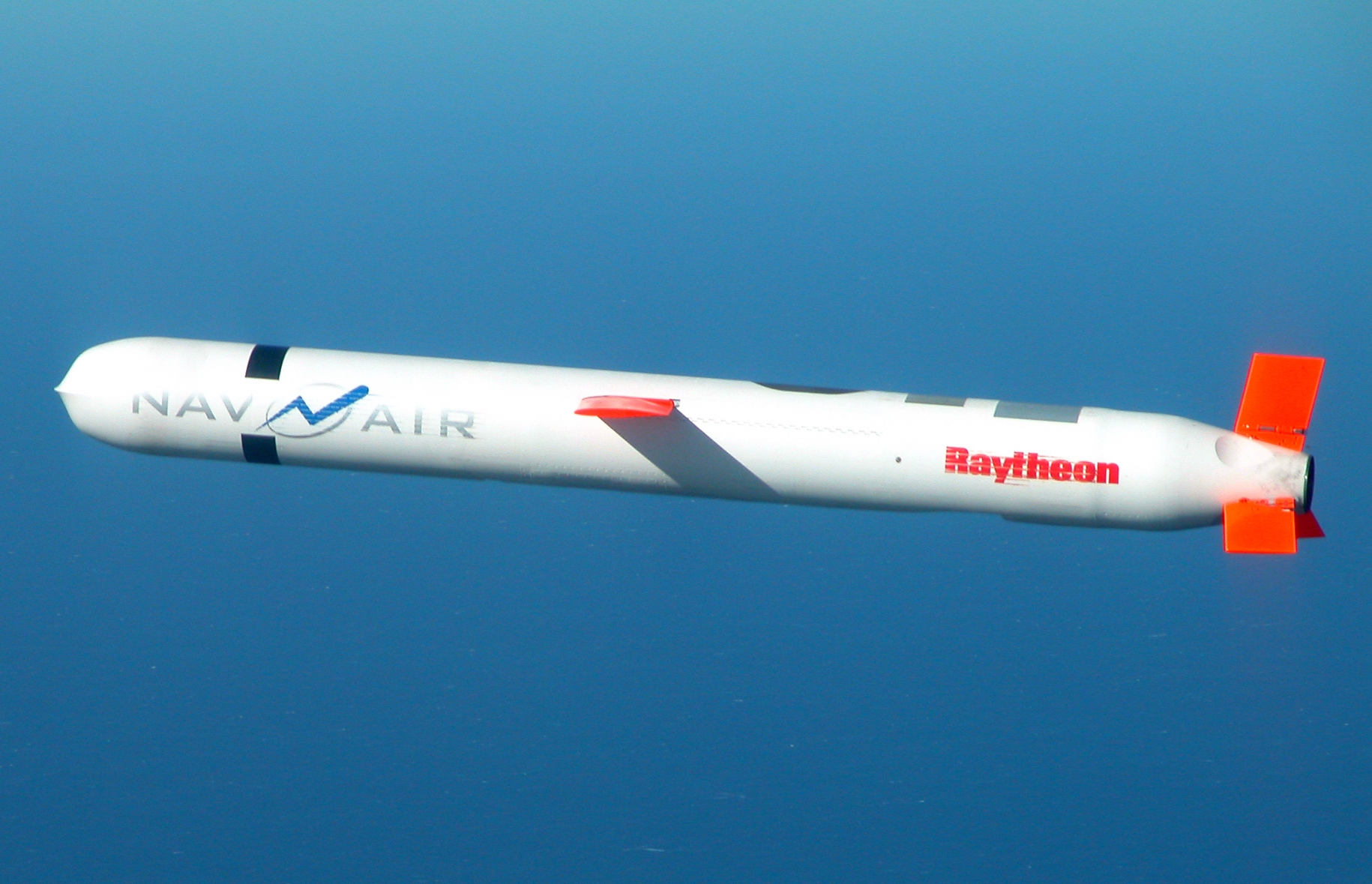
Germany Revives Push to Buy U.S. Tomahawk and SM-6 Missiles
German authorities have resumed efforts to acquire long-range Tomahawk cruise missiles and SM-6 interceptors directly from the United States, according to information circulating by 11 May 2026 around 05:33 UTC. The move follows Washington’s earlier refusal to deploy a similar U.S. battalion with such capabilities on German territory.
Key Takeaways
- As of 11 May 2026, Berlin is seeking to purchase U.S. Tomahawk cruise missiles and SM-6 systems after Washington declined to station a U.S. long-range missile unit in Germany.
- The acquisition would give Germany significant deep-strike and air/missile defense reach within Europe.
- The initiative is part of a broader German push to align with NATO’s evolving long-range strike posture.
- The move carries political and strategic implications for deterrence dynamics with Russia.
- It also raises intra‑European questions over nuclear and conventional burden-sharing and command arrangements.
By around 05:33 UTC on 11 May 2026, reports indicated that Germany had entered a new phase in its pursuit of long-range strike capabilities, resuming attempts to purchase U.S.-made Tomahawk cruise missiles and SM-6 interceptors. This decision comes after the U.S. Pentagon reportedly declined to permanently deploy a U.S. battalion equipped with such missiles on German soil, prompting Berlin to seek direct ownership of equivalent systems.
Tomahawk cruise missiles would provide Germany with the ability to conduct precision deep strikes at ranges extending well beyond its borders, while SM-6 systems, which can be adapted for both air and missile defense and limited surface-strike roles, would bolster layered defense against aerial and some missile threats. Together, they would significantly enhance Germany’s role within NATO’s emerging long-range fires architecture.
The key actors in this development include the German federal government and defense ministry, U.S. defense authorities and manufacturers, and NATO’s integrated command structures that must plan for deployment, basing, and potential employment of such weapons in crisis scenarios. Domestic political debates within Germany—over escalation risks, constitutional constraints, and resource allocation—will shape the pace and scope of any deal.
Strategically, the move is notable for several reasons. First, it signals Berlin’s willingness to take on a more proactive conventional deterrence role in Europe, moving beyond the traditional emphasis on hosting allied forces to fielding high-impact national capabilities. Second, it reflects a broader shift within NATO toward enhancing conventional strike options that can threaten high-value military targets at long ranges without resorting to nuclear weapons.
From Russia’s perspective, deployment of Tomahawk and SM-6 systems on German territory would likely be portrayed as a major escalation, even if they remain under strict national and NATO rules of engagement. Moscow can be expected to threaten countermeasures, such as shifting missile deployments, adjusting targeting plans, or conducting information campaigns aimed at eroding German public support for the systems.
Within Europe, the initiative may spur both support and unease. Eastern flank states are likely to welcome enhanced German capabilities that can contribute to their defense, while some Western European actors may worry about further militarization and arms race dynamics on the continent. Questions will also arise over how these systems relate to existing NATO nuclear sharing and the mix of U.S. and European assets stationed in the region.
Outlook & Way Forward
In the near term, Berlin will need to navigate complex procurement negotiations with Washington, balancing cost, technology transfer, and operational integration issues. Parliamentary approval processes and domestic debate could slow or reshape the scope of the acquisition. German defense planners will also have to address basing decisions, force structure changes, and doctrinal integration for long-range strike and air/missile defense roles.
For NATO, Germany’s pursuit of Tomahawk and SM-6 capabilities will feed into broader planning for alliance-wide deterrence and defense. This may include rethinking target sets, escalation ladders, and command-and-control arrangements for long-range fires in high-intensity conflict scenarios with Russia. Transparent communication with allies and adversaries alike will be important to manage misperceptions and reduce inadvertent escalation risks.
Observers should watch for formal announcements on contract signings, system numbers, and initial operating dates, as well as Russian rhetorical and practical responses. Moves such as new Russian missile deployments in Kaliningrad or Belarus would signal a hardening of posture. Over the longer term, Germany’s successful acquisition and integration of these missiles could reshape the military balance in Central Europe and redefine Berlin’s strategic profile within NATO—from a primarily logistical and economic anchor to a frontline actor in the alliance’s long-range strike and air defense ecosystem.
Sources
- OSINT