Germany Seeks US Tomahawks After Basing Deal Falls Through
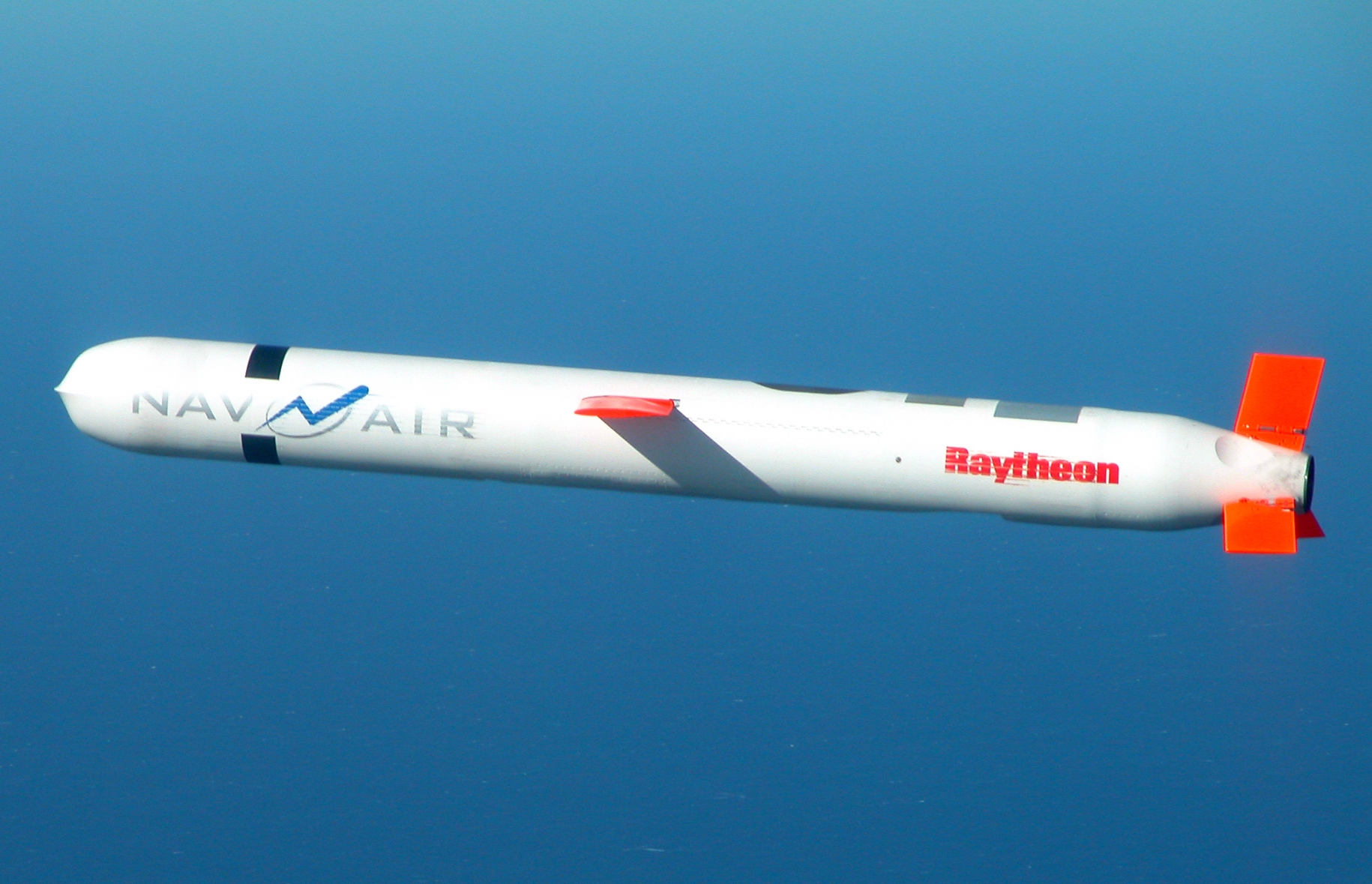
On 11 May 2026, reports indicated Germany has renewed efforts to purchase US Tomahawk cruise missiles and SM-6 interceptors after Washington declined to permanently deploy similar systems on German soil. Berlin aims to acquire long-range strike capabilities directly for its own forces.
Key Takeaways
- As of 11 May 2026, Germany is again pursuing acquisition of US Tomahawk cruise missiles and SM-6 interceptors.
- The move follows a US decision not to station a long-range missile battalion permanently in Germany.
- Berlin is seeking an indigenous long-range strike capability as part of a wider defense posture shift.
- The acquisition would significantly enhance NATO’s conventional deterrent in Europe and may provoke Russian countermeasures.
By 05:33 UTC on 11 May 2026, new information had emerged that the German government has resumed negotiations to buy US-made Tomahawk cruise missiles and SM-6 interceptors. This comes after the Pentagon reportedly refused to forward-deploy a US battalion equipped with similar long-range systems on German territory, prompting Berlin to seek direct ownership of such capabilities instead.
The initiative marks another departure from Germany’s post–Cold War military restraint, aligning with decisions to boost defense spending, procure advanced air and missile defense systems, and reconstitute high-readiness units.
Background & Context
In the aftermath of Russia’s full-scale invasion of Ukraine in 2022, Germany announced a €100 billion special defense fund and committed to meeting NATO’s 2% GDP defense-spending benchmark. Since then, Berlin has embarked on a broad modernization drive, including acquiring F-35 aircraft, strengthening ground forces, and supporting NATO’s eastern flank.
Long-range strike capabilities—cruise missiles and advanced interceptors—are central to modern deterrence strategies. Tomahawk cruise missiles can deliver precision strikes at ranges exceeding 1,000 km, while SM-6 missiles provide both extended-range air defense and limited ballistic missile defense, as well as potential surface-strike roles.
Initial discussions centered on the possibility of stationing a US long-range fires unit in Germany as part of a broader NATO posture. Washington’s reluctance to commit a permanent battalion appears to have pushed Berlin toward direct acquisition, which would give Germany sovereign control over employment while still integrating into NATO planning.
Key Players Involved
The German federal government, particularly the Defense Ministry and the Chancellery, are leading the procurement push, with parliamentary approval required for funding and export arrangements. The Bundeswehr’s planning staff will shape doctrine and integration of the new capabilities.
On the US side, the Department of Defense and State Department will manage foreign military sales, technology-transfer constraints, and alliance-level messaging. US defense contractors producing Tomahawk and SM-6 systems stand to gain significant business if a deal is approved.
Russia is a crucial indirect stakeholder, as it has repeatedly warned against deployment of long-range nuclear-capable or dual-capable missiles in Europe, framing such moves as destabilizing. Other NATO members, particularly on the eastern flank, will watch closely, as German long-range assets could substantially reinforce regional deterrence if integrated effectively.
Why It Matters
A successful German purchase of Tomahawk and SM-6 missiles would mark the first time in decades that Berlin possesses substantial independent conventional long-range strike capabilities. This would enhance NATO’s ability to hold at risk high-value military targets deep in an adversary’s territory in a conventional conflict, potentially raising the cost of aggression.
At the same time, the move could intensify Russian threat perceptions and inform Moscow’s targeting and deployment decisions, including the placement of its own missile systems in Kaliningrad, Belarus, or other adjacent regions. The Kremlin is likely to use the development in domestic and international messaging to claim NATO is escalating and encircling Russia.
Within Europe, Germany’s acquisition could shift intra-alliance dynamics by positioning Berlin not just as a logistics and support hub but as a foundational contributor of high-end strike and missile-defense capabilities. This may reinforce calls for deeper European defense integration, common procurement, and shared operational planning.
Regional & Global Implications
In the European theater, German long-range missiles would enhance NATO’s ability to respond rapidly to crises, deter coercive moves, and complicate adversary planning. If integrated into multinational frameworks, these systems could provide regional coverage for allies lacking such capabilities, strengthening collective security.
Globally, the decision contributes to a broader trend of missile proliferation among advanced militaries, including in the Asia-Pacific and Middle East. As more states acquire long-range precision systems, the risk of arms-race dynamics increases, particularly where transparency and arms-control frameworks are weak or eroding.
The development also interacts with the collapsed arms-control architecture in Europe, including the demise of the Intermediate-Range Nuclear Forces (INF) Treaty. Without robust agreements to limit certain classes of missiles, acquisitions like Germany’s can be both stabilizing (through deterrence) and destabilizing (through reaction cycles), depending on doctrine and deployment practices.
Outlook & Way Forward
In the near term, key indicators will include official confirmation from Berlin and Washington, estimated contract values, delivery timelines, and whether the systems will be procured with any operational caveats (for example, range limitations, basing restrictions, or dual-capable payload constraints). Parliamentary debate in Germany will reveal domestic political tolerance for a more assertive strike posture.
Over the medium term, doctrine and basing decisions will shape the strategic impact. Stationing long-range missiles in western Germany with multinational crewing or in dedicated German units integrated into NATO command structures would carry different signaling effects than more dispersed or national-only arrangements.
Strategically, Germany’s pursuit of Tomahawk and SM-6 missiles underscores the depth of Europe’s reassessment in light of Russia’s actions. Analysts should monitor Russian military deployments and rhetoric, NATO exercises involving long-range fires, and any emergent discussions on reopening arms-control dialogues focused on conventional long-range systems in Europe, as these will determine whether the net effect is stabilizing deterrence or a more volatile security environment.
Sources
- OSINT