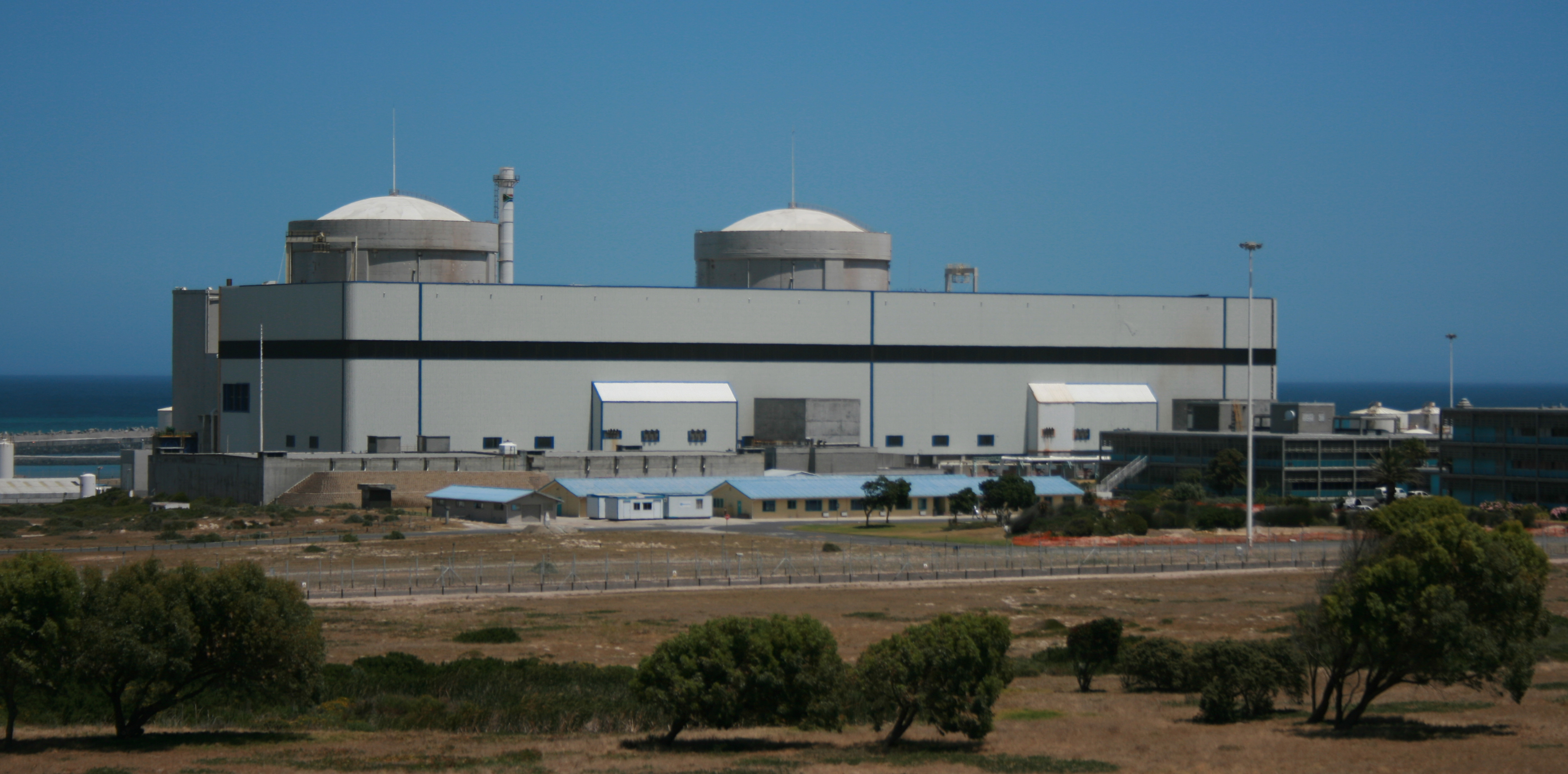
South Africa’s Nuclear Expansion Pushes Ahead Despite Koeberg Radiation Incidents, Raising National Safety Questions
South Africa’s energy minister says the country will press forward with its nuclear power plans even after recent elevated radiation readings at the 42-year-old Koeberg plant near Cape Town. The stance underscores Pretoria’s bet on nuclear to stabilize a fragile grid, while leaving communities and regulators to wrestle with safety and trust.
South Africa is doubling down on nuclear power at the very moment public attention is fixed on safety. The country’s minister of electricity and energy, Kgosientsho Ramokgopa, has reaffirmed plans to expand nuclear generation despite recent incidents involving elevated radiation levels at Koeberg, the country’s only nuclear power station.
Speaking to local media, Ramokgopa said power generation at Koeberg, located north of Cape Town, was proceeding “exactly as planned.” He framed the recent radiation events at the 42-year-old facility as manageable and not a reason to deviate from Pretoria’s long-term nuclear ambitions. Details on the exact nature and magnitude of the incidents remain limited in public reporting, but their emergence has been enough to prompt fresh scrutiny of how South Africa is managing an aging plant while plotting new reactors.
For people living in Cape Town and surrounding communities, the issue is not abstract. Koeberg sits within commuting distance of a major metropolitan area, and any real or perceived safety lapse touches directly on their sense of security. Elevated radiation readings, even if contained within plant boundaries or kept below regulatory thresholds, erode trust unless authorities are transparent about causes, corrective actions and independent oversight.
At the same time, many South Africans are exhausted by years of rolling blackouts and see nuclear energy as one of the few options for providing stable, low-carbon baseload power. For businesses trying to plan investment and households struggling with interrupted work and schooling, the promise of a more reliable grid can outweigh more distant fears — provided they believe the plants are being run competently.
Strategically, Ramokgopa’s insistence on continuity signals that the government views nuclear as central to its energy transition and economic strategy. Aging coal stations, constrained finances and climate pressures all limit South Africa’s room to maneuver. Building out nuclear capacity — whether through life extension at Koeberg, new large-scale units, or modular reactors — is seen as a way to anchor the grid while renewables and transmission upgrades catch up.
But nuclear expansion also magnifies governance tests. It requires robust, independent regulation, transparent procurement and long-term planning that transcends electoral cycles. Past controversies around major infrastructure deals in South Africa have fueled public skepticism about large, complex projects that tie the country into decades-long financial and technical commitments. Nuclear, with its upfront costs and safety implications, sits at the center of that debate.
There is a broader regional and global dimension as well. South Africa remains the only African country with a commercial nuclear power plant in operation. How it navigates Koeberg’s aging technology, manages recent radiation concerns and communicates its expansion plans will be watched by other African states exploring nuclear options of their own. A well-managed program could position Pretoria as a continental reference point; a mishandled one could reinforce fears that nuclear is too risky for developing grids.
The tension at the heart of the issue is simple: South Africa needs reliable, clean power, but it also needs public confidence that the pursuit of that power does not compromise safety. Nuclear energy promises to solve one vulnerability while potentially exposing another.
The next indicators to track include detailed reporting from South Africa’s nuclear regulator on the Koeberg incidents, any third-party safety audits, and concrete steps — tenders, financing arrangements, technology choices — toward new nuclear capacity. Public engagement efforts around Koeberg and future sites, as well as the stance of opposition parties and civil society groups, will help determine whether nuclear expansion proceeds as a technocratic project or becomes a broader test of the government’s credibility on risk and transparency.
Sources
- OSINT