U.S. Funding Cuts Put Somalia Peace Mission at Risk, Exposing Fragile Security Gains
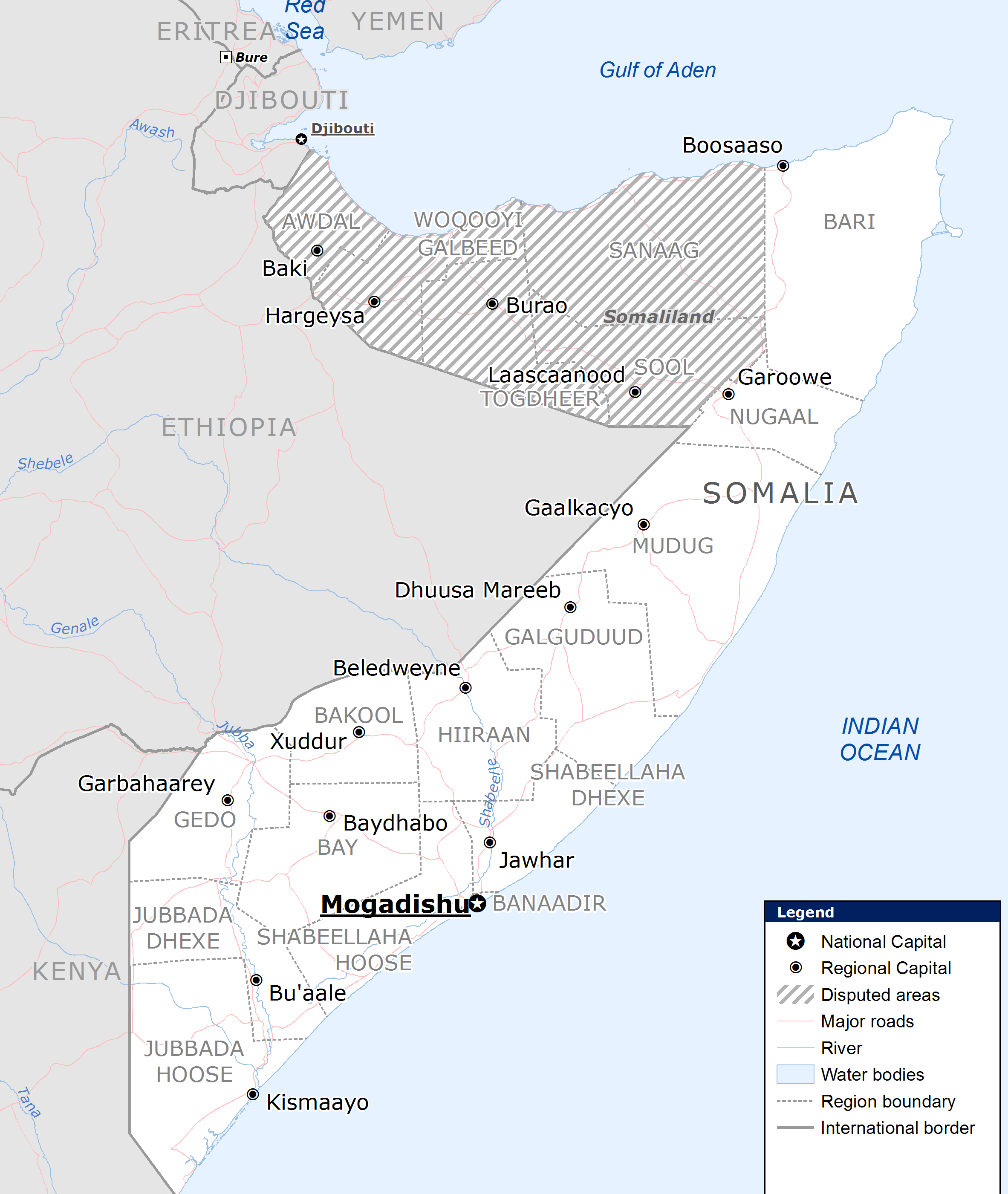
An African Union stabilization mission in Somalia faces a looming logistics crisis after major U.S. funding cuts to the UN support office in Mogadishu, prompting emergency talks on 3 July. With 12,000 AU troops at risk of suspension within weeks, Somali civilians, local forces, and regional partners now face the prospect that the country’s main buffer against insurgents could weaken just as political and climate pressures intensify.
Somalia’s fragile security architecture has been jolted by a financial decision made thousands of kilometers away, with U.S. funding cuts threatening to halt a 12,000-strong African Union mission that has helped contain extremists and stabilize key towns.
African Union officials convened an emergency meeting on 3 July to discuss the future of the AU Support and Stabilization Mission in Somalia (AUSSOM) after the United States announced major cuts to the UN Support Office in Mogadishu, according to reports circulated around 06:01 UTC on 7 July. The UN office provides the logistics backbone—transport, fuel, rations, and other essentials—that keeps AUSSOM’s troops operational across a vast and often inhospitable terrain. Without that support, officials warn, the mission could be forced to suspend operations within weeks.
The immediate risk is practical and stark. AU contingents deployed across Somalia rely on the UN logistics chain not just for movement but for basic survival in remote forward operating bases. A break in fuel deliveries can ground patrols and medevac helicopters; gaps in food and medical supplies can leave outposts exposed and demoralized. When peacekeepers pull back or hunker down, the security vacuum is felt first by villagers and traders who depend on protected roads to get goods to market and access services.
For Somali civilians, who have endured decades of conflict and recurring famine, the prospect of a weakened or withdrawn AU presence is a return of old nightmares. Towns that have slowly re-emerged from militant control could find themselves contested again. Local security forces, still unevenly trained and equipped, may struggle to hold territory on their own if AUSSOM units reduce patrols or close bases.
Regionally, the mission’s fragility is a warning to neighboring states that have tied their own security to Somalia’s stabilization. Countries in the Horn of Africa and beyond see AUSSOM as a containment line against cross-border militant attacks, arms trafficking, and refugee flows. Should the mission falter, pressure on coastal states, maritime lanes in the western Indian Ocean, and international shipping insurers could all rise, particularly if piracy or offshore attacks re-emerge as viable tactics for armed groups.
Strategically, the looming cutback exposes how dependent African-led missions remain on external funding cycles and political priorities in Washington and other Western capitals. Even as international rhetoric stresses “African solutions to African problems,” the core logistics engines of many such operations are underwritten by donors who may recalibrate spending with little warning. When those decisions translate into fuel shortages on a remote Somali airstrip, the disconnect between high-level policy debates and ground realities is laid bare.
The timing also matters. Somalia is navigating complex politics, climate shocks, and ongoing efforts to integrate former insurgents and clan militias into a more coherent security framework. A sudden weakening of the AU’s stabilizing presence risks not only emboldening hardline factions but also undermining trust in state institutions among communities who had cautiously begun to re-engage with government authorities.
A key lesson is that peacekeeping and stabilization do not fail in one dramatic moment; they unravel at the margins when a convoy is canceled, a base goes dark, or a village market closes because the road is no longer safe. Those cumulative losses, triggered by a distant budget cut, can reverse years of incremental progress.
The next signals to watch include whether alternative funding is mobilized to plug the gap, whether the UN Support Office in Mogadishu announces concrete scale-backs in services, and how AUSSOM commanders adjust their deployment footprint. Any visible withdrawal from strategically important towns, or a surge in attacks on AU and Somali forces, will be the clearest indication that the financial decision has tipped into a full-blown security setback.
Sources
- OSINT