U.S. Funding Cuts Push AU Mission in Somalia Toward Operational Cliff, Exposing Security Vacuum Risk
African Union officials warned that their 12,000-strong stabilization mission in Somalia could be forced to suspend operations within weeks after major U.S. funding cuts to its UN support office. A logistics crisis for AUSSOM would leave Somali forces and civilians more exposed to al-Shabaab and other armed groups, testing regional security arrangements and Washington’s counterterrorism strategy in the Horn of Africa.
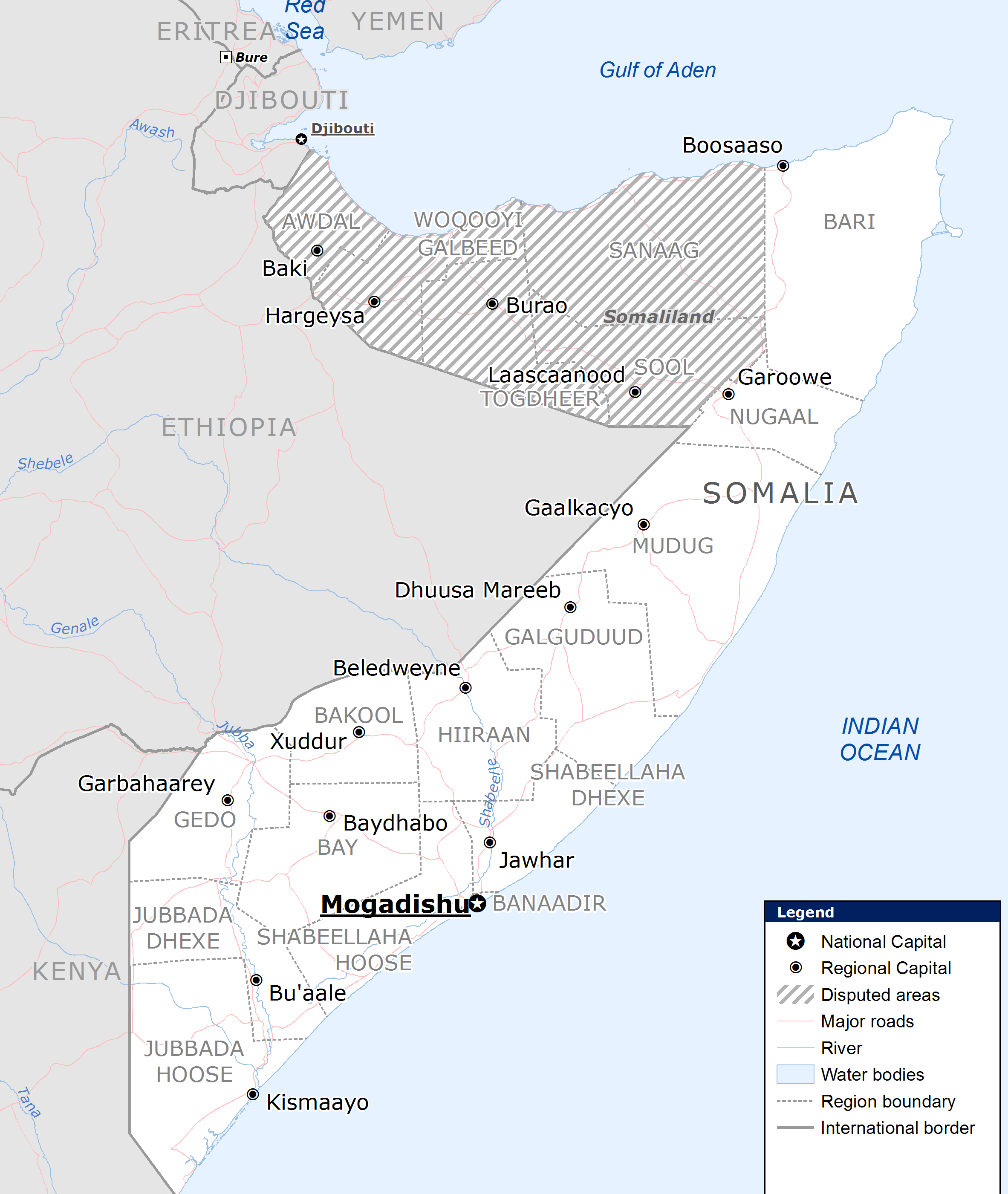
On paper, the African Union’s Support and Stabilization Mission in Somalia is 12,000 troops strong. In reality, its future may now hinge on fuel, food and spare parts. African Union officials held an emergency meeting on 3 July after the United States announced major funding cuts to the UN office that provides logistical support to AUSSOM, raising the prospect that the mission could be forced to suspend operations within weeks.
The warning is stark: without the U.S.-backed support channeled through the UN Support Office in Mogadishu, the AU force risks running out of the supplies that allow it to patrol, escort convoys and backstop Somali units in the field. Officials who attended the meeting described the situation as a looming “logistics crisis” and made clear that troop numbers on paper mean little if vehicles cannot move and bases cannot be resupplied. Washington has not publicly detailed the scale or timeline of the cuts, but the shock was serious enough to trigger urgent consultations among AU member states.
For Somali civilians already living with the threat of al‑Shabaab attacks, the consequences are immediate and personal. AUSSOM contingents man checkpoints on critical roads, guard key installations and support offensives to dislodge militants from towns and villages. If those units are pulled back to save fuel or consolidate in better‑supplied bases, the vacuum will be felt first in communities that depend on the visible presence of AU troops to deter attacks on markets, schools and government offices.
Somali security forces have grown in capability in recent years, but they are not yet able to fully replace an AU mission that has borne much of the burden of frontline operations since the days of its predecessor, AMISOM. Commanders rely on AUSSOM for heavy support, including armored vehicles, artillery and medical evacuation. A disruption in that support would force them to choose between stretching thin to hold liberated areas and pulling back to defensible lines, a calculation that armed groups will be quick to exploit.
Regionally, the risk goes beyond Somalia’s borders. Countries such as Kenya, Ethiopia and Uganda, which contribute troops to the AU mission and have suffered major al‑Shabaab attacks on their own soil, see AUSSOM as a buffer that helps contain a threat with clear cross‑border ambitions. A weakened or suspended mission could embolden militants to increase operations not just in Somali towns but also against regional targets, from tourist resorts to infrastructure projects and crowded urban centers.
Strategically, the U.S. decision signals a recalibration of how Washington wants to engage in counterterrorism in the Horn of Africa. After two decades of heavy involvement through funding, training and occasional direct strikes, a shift away from supporting large multilateral ground missions suggests a preference for lighter, more targeted engagement. But the gap between that strategic intent and realities on the ground can be dangerous if local forces and political arrangements are not ready to carry the full weight of security.
The mission itself has faced repeated deadline extensions and mandate revisions as donors and regional capitals argued over how fast to draw down. Many in Africa have long complained that external partners hold too much sway over the pace and shape of these transitions because they control the purse strings. The current crisis gives that argument sharper edges: when a single donor’s budget decision can push a 12,000‑strong operation toward a standstill, African governments are reminded how little margin for autonomy they actually have.
The core insight is unsettling but clear: in places like Somalia, the front line against extremist groups can hinge less on troop numbers than on line items in distant budgets. The signs to watch now include whether the U.S. softens or phases the cuts after AU lobbying, whether Gulf or other regional actors step in with emergency support, and how quickly al‑Shabaab attempts to test any thinning of AU or Somali presence on key roads and in contested districts. A sudden spike in attacks on Mogadishu or along main supply routes would be the first, and harshest, indicator that the funding dispute has turned into a security vacuum.
Sources
- OSINT