Erdogan’s Anti‑NATO Exhibition Exposes Alliance’s Image Problem on Summit Eve
On the eve of a NATO summit in Ankara, a cultural center in the Turkish capital opened an exhibition denouncing what it calls the alliance’s ‘crimes’ from Yugoslavia to the Middle East. The move sharpens questions about Turkey’s role inside NATO and how the bloc manages internal dissent while trying to project unity.
As NATO leaders gather in Ankara to showcase unity, a different narrative is being curated just a short distance away.
Ahead of the summit’s opening on 7 July, the Nazim Hikmet Cultural Center in the Turkish capital unveiled an exhibition devoted to what organizers describe as NATO’s "crimes"—from the 1999 bombing campaign in Yugoslavia to later interventions and operations across the Middle East. The display, backed by vocal critics of the alliance, portrays NATO not as a defensive pact but as an instrument of Western imperialism.
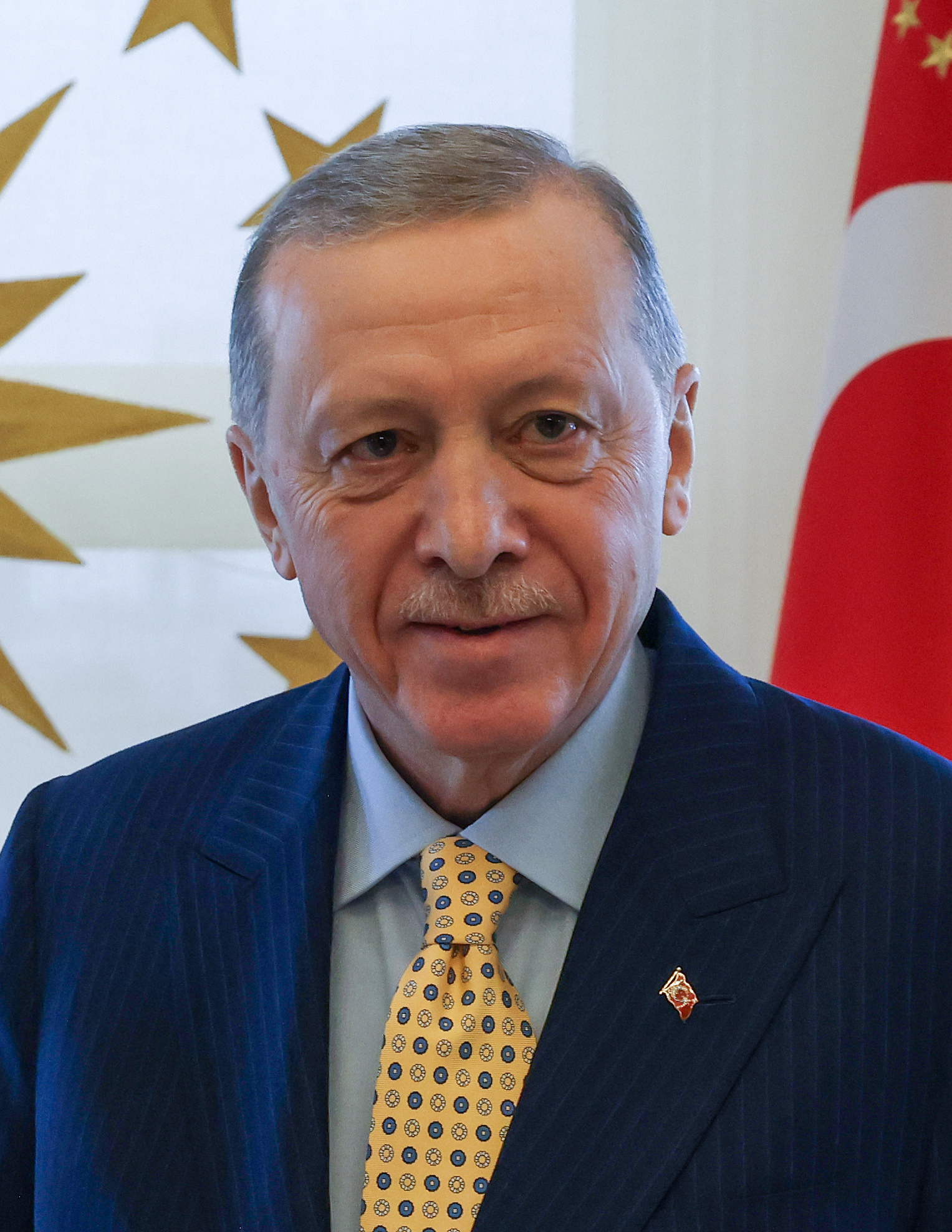
The timing is deliberate. With Turkish President Recep Tayyip Erdogan hosting incoming NATO Secretary‑General Mark Rutte and other leaders, images of Erdogan and Rutte walking hand‑in‑hand circulate alongside material that frames the alliance as a serial aggressor. The juxtaposition underscores Turkey’s unique position: a treaty ally that controls one of NATO’s most critical geostrategic chokepoints, the Turkish Straits, yet hosts and amplifies narratives that question the alliance’s very legitimacy.
For Turkish citizens, particularly younger generations, such exhibitions are not just propaganda—they shape perceptions of what NATO stands for and whether Turkey’s security interests are properly served by its membership. The messaging taps into long‑standing grievances over Western interventions, perceived double standards on issues like Kurdish groups and Israel‑Palestine, and Ankara’s own fraught dealings with the European Union and the United States.
Operationally, internal dissent of this kind complicates NATO’s ability to plan and execute missions that rely on Turkish territory, airspace, and political support. Turkey has already leveraged its position to extract concessions on issues from arms sales to the accession of new members. Public campaigns spotlighting "NATO crimes" give Ankara additional domestic cover to adopt a more transactional posture inside the alliance, especially on decisions that require unanimity.
Strategically, the exhibition lands at a moment when NATO is trying to present a coherent front on Russia’s war in Ukraine, instability in the Middle East, and China’s rise. When one of its key members allows or sponsors events that frame the alliance as an imperial tool, it provides rhetorical ammunition to adversaries in Moscow, Tehran, and Beijing who argue that NATO threatens global stability rather than upholding it.
The broader pattern is clear: as NATO expands its remit and membership, internal contests over its history and purpose grow sharper. Allies in Eastern Europe and the Baltics see the bloc as a shield against existential threats; segments of Turkish politics and society see it as the author of past traumas in Muslim‑majority regions. Both narratives coexist under the same flag, and managing that contradiction is becoming harder as the alliance’s agenda widens.
A memorable insight emerges from Ankara this week: a military alliance can deter external enemies, but it also has to navigate a battlefield of stories inside its own member states.
The signals to watch next include how prominently Turkish officials reference the exhibition in public remarks, whether summit communiqués address contentious historical operations, and how other allies respond—either by downplaying the internal rift or by pushing back against narratives that paint NATO as fundamentally malign. Those reactions will help reveal how resilient the alliance’s political core really is when confronted with criticism from within.
Sources
- OSINT