U.S. Cuts to Somalia Mission Funding Leave 12,000 AU Troops Facing Operational Cliff
African Union officials held an emergency meeting on 3 July after Washington moved to slash support for the UN logistics office backing the AU mission in Somalia. With 12,000 AUSSOM personnel now facing a supply crunch, the risk is that Somalia’s fragile security architecture loses one of its main pillars almost overnight.
Somalia’s front line against jihadist insurgency is being reordered not by battlefield defeat, but by a funding decision in Washington.
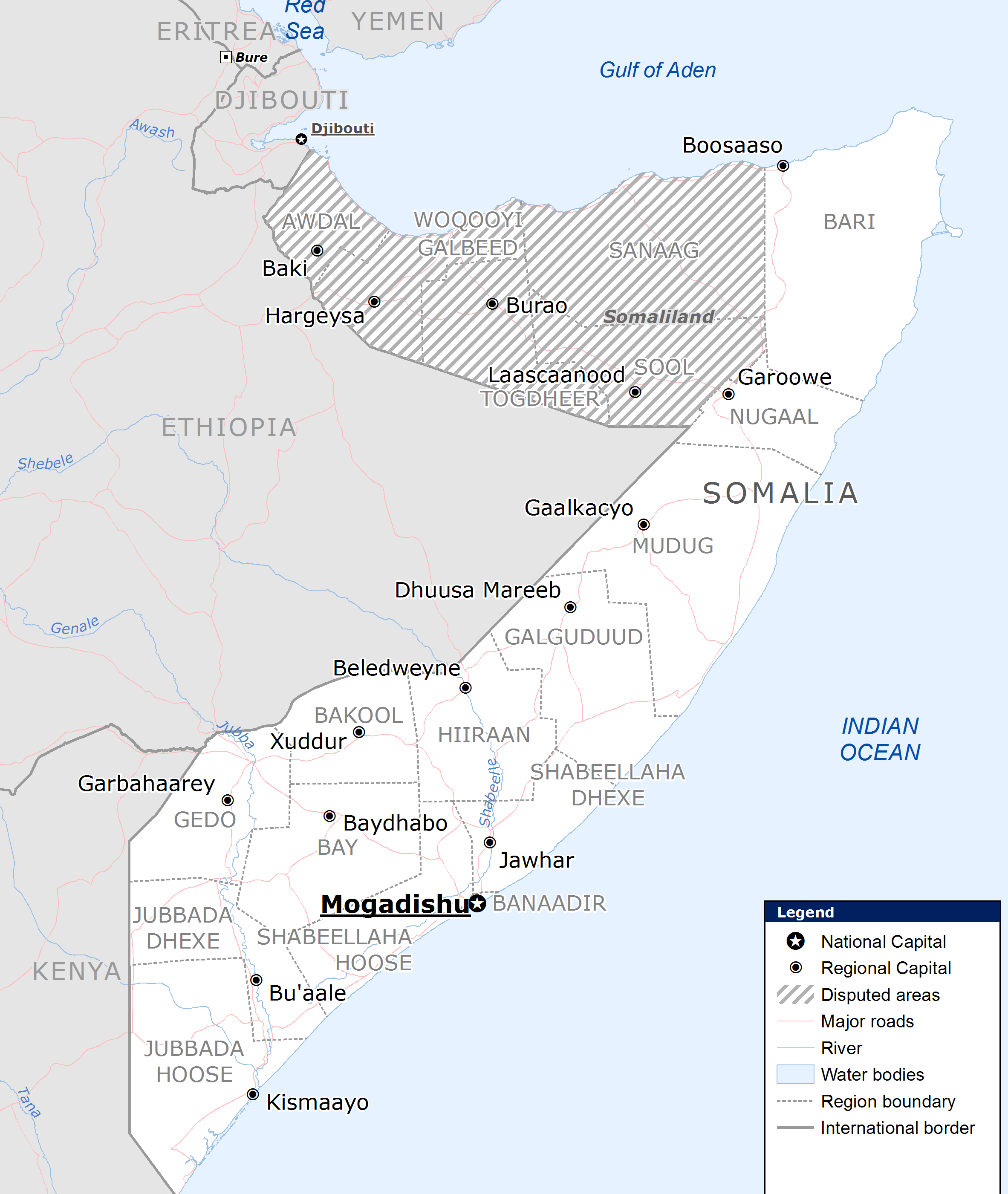
On 3 July, African Union officials convened an emergency session to discuss the future of the AU Support and Stabilization Mission in Somalia (AUSSOM) after the United States announced major cuts to the UN Support Office in Mogadishu. That office functions as the mission’s logistical backbone, and AU officials now warn that without it, the 12,000‑strong force could see operations suspended within weeks.
AUSSOM, which evolved from earlier AU deployments in Somalia, has long relied on external donors for everything from fuel and rations to armored transport and helicopter support. The U.S. has been one of the key states underwriting that logistics chain. According to officials briefed on the meeting, the recent U.S. move is large enough to trigger a “logistics crisis,” threatening both routine patrols and the mission’s ability to move and resupply in response to al‑Shabaab attacks.
For Somali civilians in towns and cities where AU contingents share security duties with national forces, the implications are immediate. If international units pull back or restrict movements because they lack fuel, parts, or airlift, local police and army units—often underpaid and under‑equipped—will be left to fill the gap. That raises the risk of renewed territorial gains by militants, more frequent bombings in urban centers, and further displacement in already fragile regions.
The operational strain extends to the soldiers themselves. AUSSOM troops, drawn from several African countries, depend on predictable logistics to sustain remote bases in hostile terrain. When spare parts don’t arrive, vehicles are grounded; when food convoys are delayed, patrols are cut; when medical evacuation capacity is questioned, commanders become more risk‑averse. Logistics is rarely the headline, but in Somalia it is the difference between a functioning stabilization mission and an isolated garrison waiting for the next attack.
Strategically, the funding cut lands at a delicate moment. Somalia is supposed to be transitioning from international security dependence to greater national ownership, with AU troop numbers gradually reduced and responsibilities handed over. A sudden hollowing out of AUSSOM’s logistics threatens to turn that planned transition into a security vacuum, potentially reversing years of territorial and political gains against al‑Shabaab and other armed groups.
For regional governments and external partners, the stakes go beyond Somalia’s borders. A weaker AU presence could facilitate cross‑border operations, maritime threats in the Gulf of Aden and Indian Ocean, and renewed flows of refugees and economic migrants toward neighboring states and the wider region. It also sends a signal to other African states hosting international missions about how quickly support can be scaled back when donor priorities shift.
The broader context is one of donor fatigue and competing crises, from Ukraine to the Red Sea. As Western capitals reallocate resources and political attention, African security theaters risk becoming test cases for how much “stabilization” they are still willing to underwrite. For Somalis who have staked their futures on a gradual, supported transition, the message is harsher: the scaffolding holding up their security architecture may be thinner than it looked.
The key indicators to watch now are whether alternative donors step in to plug the logistics gap, how quickly the AU and UN can redesign support mechanisms, and whether al‑Shabaab attempts high‑profile attacks to exploit any pause in AUSSOM operations. If local and regional actors cannot improvise a new support model fast, the cliff the mission faces will not be theoretical—it will be measured in lost territory and renewed civilian flight.
Sources
- OSINT