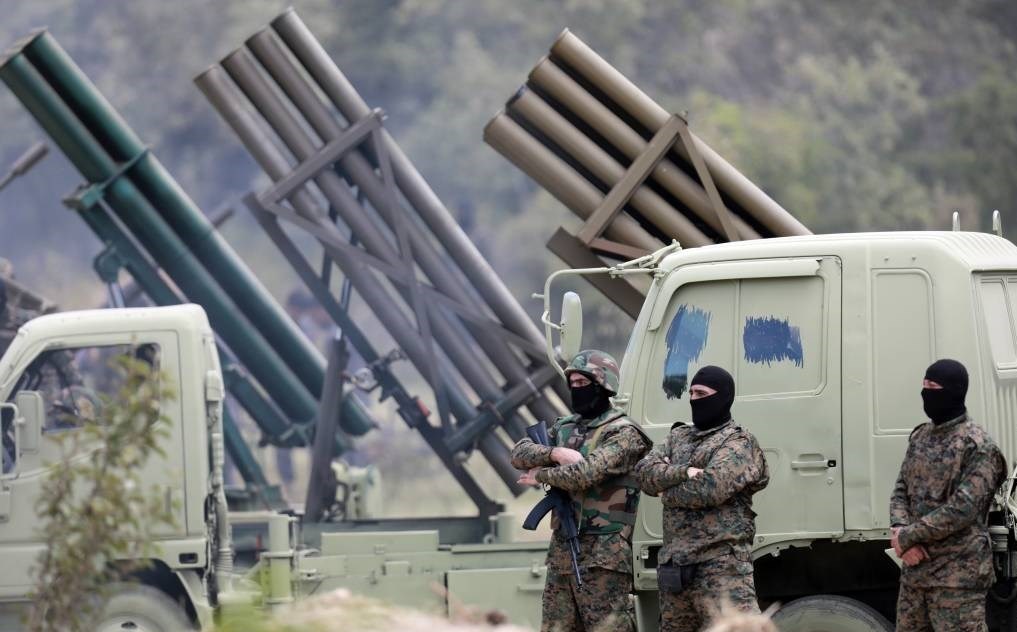
Hezbollah FPV Drones Hit Israeli Iron Dome Site, Crew
Severity: WARNING
Detected: 2026-05-10T13:58:51.762Z
Summary
Around 13:30 UTC on 10 May 2026, Hezbollah launched multiple FPV kamikaze drones against an Israeli Iron Dome launch site and its operators at the Jal al-Allam area on the Lebanon–Israel border. The use of fiber‑optic‑guided drones against a strategic air‑defense asset underscores Hezbollah’s growing precision strike capability and raises escalation risks along the northern front as Iran–US talks continue.
Details
Between approximately 13:29–13:32 UTC on 10 May 2026, multiple open‑source reports (Reports 4, 11, 18) indicated that Hezbollah employed FPV (first‑person‑view) kamikaze drones against an Israeli Iron Dome air‑defense position at the Jal al‑Allam site along the Lebanon–Israel border. The strike reportedly included at least one hit on an Iron Dome launcher and a follow‑up attack on air‑defense personnel attempting to recover an undamaged launcher. Some sources specify the drones were fiber‑optic‑guided FPVs, likely carrying PG‑7(L) class warheads or improvised explosive charges.
The actors involved are Hezbollah’s drone and anti‑air units operating under the group’s military command in southern Lebanon, targeting the Israel Defense Forces’ (IDF) key short‑range air‑defense system. Jal al‑Allam is a known border‑area site used for Israeli surveillance and defense. This incident follows a pattern of recent Hezbollah FPV strikes on Iron Dome elements, but today’s reports highlight both repeated hits on a single site and deliberate follow‑on targeting of crews, indicating refined targeting and better battle‑damage assessment.
Militarily, any successful damage to Iron Dome batteries degrades Israel’s capacity to intercept rockets, missiles, and drones in the northern sector, potentially opening windows for larger rocket salvos or coordinated attacks. The use of fiber‑optic‑guided FPVs reduces susceptibility to jamming and shows Hezbollah’s adaptation to Israeli electronic warfare. If confirmed, Israel may be compelled to reposition or harden Iron Dome assets, increase counter‑UAS coverage, or consider more aggressive strikes on Hezbollah launch and drone‑manufacturing infrastructure in southern Lebanon.
From a market standpoint, this development does not by itself close key energy routes or trigger a direct Israel–Iran exchange, but it adds to the broader perception of a multi‑front, technology‑intensifying conflict tied to Iran’s regional network. That reinforces an existing geopolitical risk premium in crude oil, especially given concurrent Iran–US negotiations over ending the ‘war in the region’ and ensuring maritime security in the Persian Gulf and Strait of Hormuz. Energy equities, especially defense‑linked and Israeli names, may see additional volatility, while safe‑haven assets such as gold and the US dollar could attract incremental flows if cross‑border fire escalates in the coming 24–48 hours.
Over the next 24–48 hours, watch for: (1) IDF confirmation or denial and any retaliatory airstrikes in southern Lebanon; (2) evidence of changes in Iron Dome deployment patterns near the Lebanon border; (3) Hezbollah propaganda releases showcasing strike footage, which would signal confidence and intent to continue this targeting pattern; and (4) any linkage in Israeli or Iranian messaging tying these attacks to ongoing negotiations over regional de‑escalation. A sustained campaign against Iron Dome batteries would represent a war‑changing trend and could markedly increase regional and energy‑market risk.
MARKET IMPACT ASSESSMENT: Adds to existing Middle East risk premium, particularly for oil and regional assets. While not a standalone shock, it reinforces upside risk for Brent/WTI and safe-haven flows to gold and USD if exchanges intensify. Israeli defense equities and regional risk assets may see intraday volatility.
Sources
- OSINT