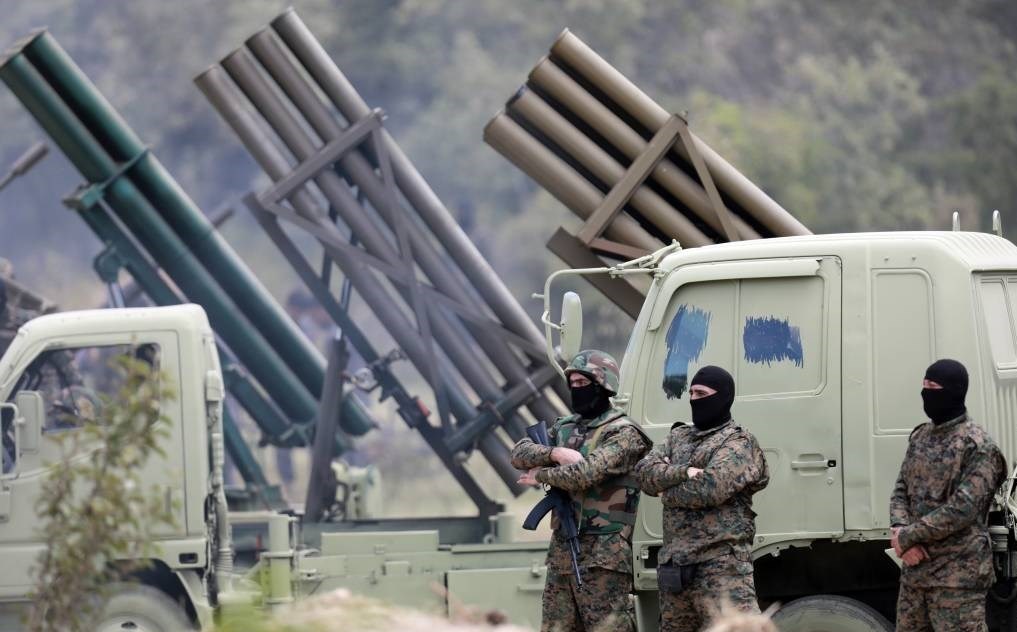
Reports: Israel–Hezbollah ‘Ceasefire’ Starts as Israeli Strikes Kill Dozens in Lebanon
Severity: WARNING
Detected: 2026-06-19T13:58:19.793Z
Summary
A US‑brokered ceasefire between Israel and Hezbollah reportedly took effect at 16:00 local time today, even as the IDF carried out more than 150 strikes in southern and eastern Lebanon, killing at least 24, according to Lebanese officials. Conflicting statements from Israeli officials over whether a renewed ceasefire actually exists leave civilians, regional governments, and energy markets exposed to a rapid relapse into full‑scale fighting.
Details
A fragile and contested pause is unfolding on the Israel–Lebanon front this afternoon, with a senior US official telling Reuters that Israel and Hezbollah agreed to a renewed ceasefire starting at 16:00 local time (13:00 UTC), while Israeli strikes and conflicting Israeli statements call the deal’s durability into question.
According to multiple reports between 13:00–13:30 UTC, US and Qatari mediators, with Iranian involvement, brokered a new understanding for a ceasefire to begin at 16:00 local time. Outlets citing US officials and Israeli media framed this as a renewal of the earlier truce. At the same time, an Israeli official quoted by Channel 12 said Israel had indeed entered a ceasefire but would remain in its security zone in southern Lebanon and respond to any attacks. Another senior Israeli official, also via Channel 12 and repeated by several accounts around 13:26–13:30 UTC, flatly denied any renewal of the ceasefire and insisted that ‘operations will continue as normal.’
On the ground, the fighting has not resembled a clean stop. The IDF publicly claimed around 13:31 UTC to have carried out over 150 airstrikes on southern and eastern Lebanon in the past 16 hours. Multiple real‑time local reports describe repeated Israeli airstrikes on Nabatieh and surrounding areas—Kfar Tibnit, Kfarsir, Jabal er Rafiaa—right up to and shortly after the 16:00 local deadline. Lebanese officials cited in one report at 13:31 UTC say at least 24 people have been killed and dozens wounded in this latest wave of strikes, including in the Bekaa Valley. One report notes an Israeli airstrike on Nabatieh al‑Fawqa just five minutes after the supposed start of the ceasefire.
For civilians in southern and eastern Lebanon, these mixed signals translate into continued lethal uncertainty: residents are hearing of a ceasefire while bombs are still falling, and some local religious organizers in Nabatieh have reportedly decided to move Ashura operations north to Beirut for safety. On the Israeli side, Prime Minister Netanyahu has publicly vowed to exact a ‘very heavy price’ from Hezbollah and to keep forces in a southern Lebanon security zone ‘for as long as necessary,’ hardening expectations of a sustained ground presence even under any partial truce.
Militarily, this looks less like a stable ceasefire and more like an attempt to freeze lines while preserving Israeli freedom of action. If Israel maintains a forward security zone and continues to strike perceived threats, Hezbollah faces pressure to either absorb blows and risk reputational damage among its base, or respond and collapse the ceasefire. The ambiguity is compounded by Hezbollah officials saying they have not yet received formal notification of precise ceasefire terms or timing.
For markets, the stakes are immediate. Earlier, oil prices turned negative on the day after the first Reuters‑sourced reports of a renewed ceasefire, as traders briefly priced out some risk premium on the Lebanon front. However, today’s continued airstrikes, rising casualty counts, and Israeli denials of a full ceasefire threaten to snap that move back, especially against the backdrop of recent Iranian Revolutionary Guard Navy claims that the Strait of Hormuz is closed until a Lebanon ceasefire holds. Any perception that the Lebanon deal is cosmetic or failing raises the probability that Tehran will lean harder on maritime leverage, unsettling crude benchmarks, tanker rates, and energy‑linked equities.
In the next 24–48 hours, watch for: (1) an official, on‑record Israeli government position—does Jerusalem confirm a binding ceasefire with rules of engagement, or insist on open‑ended ‘security operations’; (2) Hezbollah’s military behavior overnight—whether rocket fire or cross‑border attacks resume at scale; (3) any clarified Iranian position linking Hormuz access to the implementation of this ceasefire; and (4) a second‑wave move in oil and gold as traders decide whether to price in a genuine de‑escalation or a short, unstable lull. A confirmed breakdown—signaled by large salvoes from either side or a major mass‑casualty incident beyond today’s 24 deaths—would likely restore or lift the Middle East risk premium across energy and safe‑haven assets.
MARKET IMPACT ASSESSMENT: Headline risk is high. Initial reports of a ceasefire pushed oil prices negative on the day; continued strikes and Israeli denials of a renewed truce could reverse that move quickly. Energy traders face whipsaw volatility in crude, products, and shipping equities, while any failure of the ceasefire would reinforce risk premia linked to Lebanon and Iranian Hormuz threats. Safe havens (gold, USD) remain bid-sensitive to confirmation or breakdown in the next 12–24 hours.
Sources
- OSINT