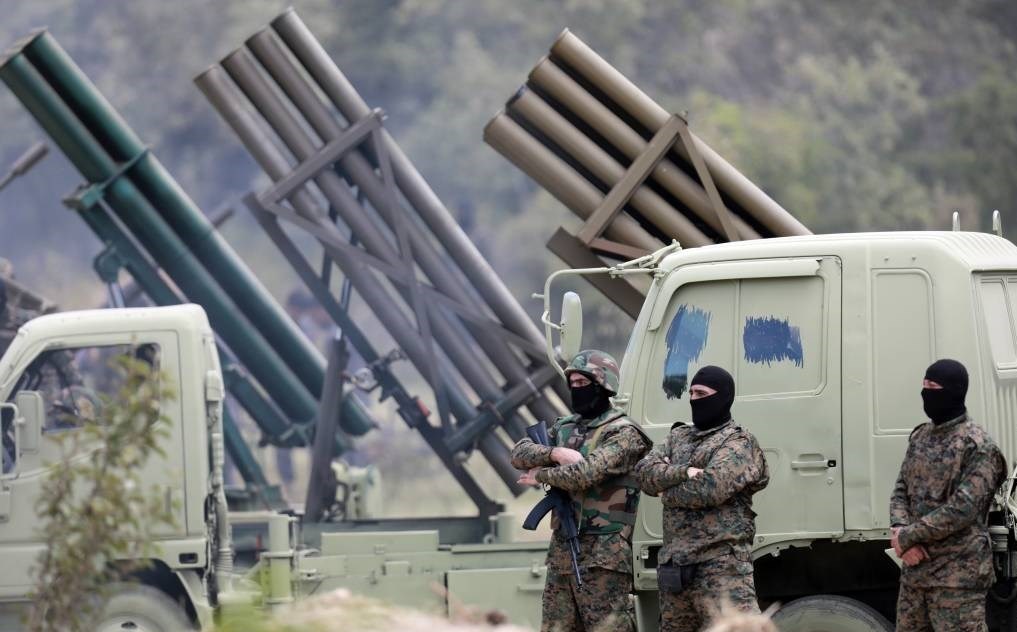
Reports: Hezbollah Missile Downs Israeli Heron Drone, Showcasing Evolving Air Defenses
Severity: WARNING
Detected: 2026-06-16T01:30:16.618Z
Summary
Reports at 01:02 UTC say a Hezbollah‑operated 358 surface‑to‑air missile hit an Israeli Heron reconnaissance UAV over Lebanon’s Bekaa Valley, highlighting a steady upgrade in non‑state air defenses. If confirmed, Israel and allied forces face rising attrition and higher operational risk for ISR flights over Lebanon and western Syria, with knock‑on effects for targeting, deterrence, and any future large‑scale operation.
Details
Hezbollah is reported to have shot down an Israeli “Heron” reconnaissance unmanned aerial vehicle (UAV) over the Bekaa Valley using a 358 surface‑to‑air missile at approximately 01:02 UTC, marking another visible step in the group’s air‑defense evolution. The 358 is an Iranian‑linked, command‑guided missile designed to engage low‑flying aircraft and drones, and its use against a large, long‑endurance ISR platform suggests Hezbollah is willing and able to contest the airspace that underpins Israel’s intelligence picture on Lebanon and western Syria.
The report describes the engagement in some technical detail: a 358 anti‑aircraft missile guided by a thermal imaging system separate from the launch pad, raising questions about whether it is integrated with any radar and how vulnerable it might be to anti‑radiation weapons. There is no official confirmation yet from the Israel Defense Forces, which typically maintain tight information discipline on ISR losses, but Hezbollah has previously showcased similar systems and has a track record of publicizing successful intercepts. The Heron is a sizeable, high‑value surveillance platform; its loss is materially different from the downing of small quadcopters routinely used near the border.
For civilians in Lebanon and northern Israel, more capable air defenses in Hezbollah’s hands mean a more congested and militarized sky: lower‑altitude manned flights will be riskier, and Israel may respond with intensified SEAD (suppression of enemy air defenses) missions against launchers, sensors, and command nodes embedded in populated areas. For Western militaries flying over Syria and the Eastern Mediterranean, the spread of 358‑class systems to non‑state actors complicates deconfliction and elevates the risk envelope for low‑flying aircraft and some drones operating near Hezbollah‑controlled terrain.
Militarily, if Hezbollah can reliably attrit or at least threaten Israeli medium‑altitude ISR drones over the Bekaa, Israel’s ability to continuously map rocket stockpiles, logistical routes from Syria, and high‑value command sites degrades. Israel may be forced to push more ISR onto satellites, higher‑end stealthier platforms, or riskier manned flights, all of which are costlier and politically more sensitive if losses occur. This also tightens the air envelope around any future large‑scale Israeli ground or air operation north of the border, making pre‑emptive strikes on these systems more likely.
From a market and industry perspective, the immediate impact on energy, FX, and broad equity indices should be limited. However, each incremental improvement in Hezbollah’s air‑denial capability marginally worsens the risk calculus for Eastern Mediterranean energy infrastructure, including offshore gas fields and related onshore facilities in northern Israel and Lebanon, which ultimately depend on secure air and maritime surveillance. Defense equities involved in ISR drones, counter‑UAS, and SEAD/DEAD (destruction of enemy air defenses) capabilities could see periodic interest on headlines about non‑state actors fielding advanced air defenses.
Over the next 24–48 hours, key watch points include: any Israeli acknowledgement of a Heron loss; Hezbollah propaganda releases that visually confirm the intercept and the missile type; evidence of Israeli SEAD retaliation in the Bekaa or along key supply corridors from Syria; and any sign that similar systems are being deployed closer to the Israeli border or coastal areas. A pattern of successful intercepts against larger ISR platforms would represent a more significant escalation, warranting reassessment of airspace risk and potential knock‑on effects for regional military planning.
MARKET IMPACT ASSESSMENT: Limited immediate price action expected, but defense and ISR sectors are exposed to headline risk; in a wider conflict, enhanced non‑state air defenses could raise operational costs and risk premia around Eastern Mediterranean energy assets and air corridors.
Sources
- OSINT