Night Strikes on Ukrainian Gas Stations Expose Civilian Vulnerability Far From the Front
Overnight attacks on multiple gas stations in and around Sumy left several civilians injured and turned everyday fuel stops into targets in Russia’s wider air campaign. For residents already living under repeated alerts, the strikes show how basic infrastructure is being pulled directly into the war.
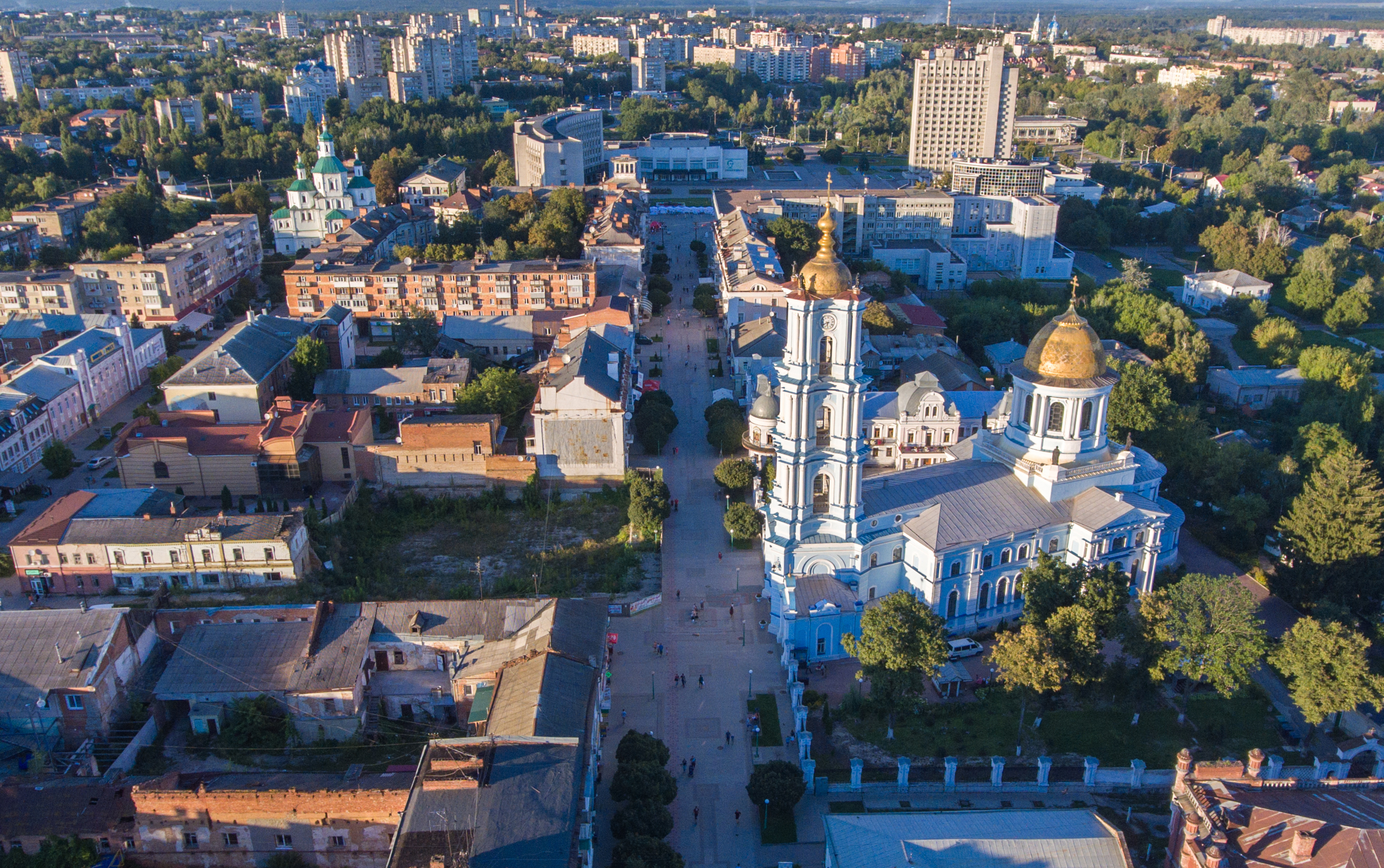
For people in and around the northeastern Ukrainian city of Sumy, the war reached the fuel pumps overnight. A series of Russian strikes on gas stations in the region turned civilian infrastructure into fire zones, injuring several residents and forcing emergency crews to pick through burning forecourts and debris by early Friday.
Regional authorities reported that Russian forces struck gas stations four times in Sumy region during the night of 2–3 July. In the Nedryhailiv community, at least one woman was injured, while in the wider Sumy community at least three civilians were reported wounded. Officials said Russian forces hit gas stations in the city of Sumy twice, with the second strike assessed as likely carried out by a loitering or rocket-powered drone. Local services were still assessing the full extent of the damage and possible additional casualties as of 06:00 UTC.
Targeting gas stations carries an obvious physical danger for anyone nearby. These are places where people routinely gather to refuel cars, buy food, or wait out air raids in the relative shelter of a lit, staffed facility. When such sites become aiming points, everyday errands turn into calculated risks, and those without the means to leave front-line regions face a new layer of exposure. Fire, exploding fuel tanks, and flying shrapnel can spread well beyond the exact impact point, affecting nearby homes and businesses.
Operationally, repeated hits on fuel infrastructure also complicate logistics for Ukrainian civil and military authorities. Gas stations are part of a wider chain that keeps local transport, ambulances, repair crews, and regional defense units moving. Even if national fuel supplies remain intact, localized damage forces rerouting, creates queues and shortages, and strains already stretched municipal budgets that must now cover reconstruction, fire response, and emergency medical care.
The Sumy strikes fit a wider pattern of Russia using a mix of missiles and unmanned aerial vehicles against Ukrainian cities in recent weeks, targeting energy and logistics nodes as well as residential areas. Ukrainian air defense command reported intercepting the majority of incoming drones and one of two missiles during the same overnight period, but also confirmed at least one guided Kh-59/69 missile hit and 21 attack drones reaching 16 locations across the country, with debris from downed objects falling on at least five more sites.
For civilians, the effect is immediate: every successful interception still carries the risk of falling wreckage, and every failure risks a gas station forecourt or apartment block taking a direct hit. The strikes are a reminder that for many Ukrainians, infrastructure is no longer background — it is a front line.
The next questions will focus on whether Russia sustains or expands its focus on fuel and civilian-service targets in Sumy and other border regions, and how quickly Ukraine can harden and disperse such facilities. Signs to watch include changes in fuel availability in affected communities, any shift in evacuation guidance for residents near key infrastructure, and whether future Russian strike waves show a similar pattern of aiming at soft, high-impact civilian sites rather than purely military objectives.
Sources
- OSINT