Israeli Strikes on Gaza Tunnels and Air Raids Leave Civilians Exposed as Ceasefire Frays
Israeli forces say they have sealed a 16‑kilometer Hamas tunnel and struck additional underground infrastructure in central Gaza, even as local reports tally eight Palestinians killed in air and drone strikes on 29 June. The operations, which the IDF says target a restored tunnel system in violation of the ceasefire, put civilians back in the blast radius of a campaign that is increasingly fought below ground.
Gaza’s civilians were again caught between airstrikes and underground warfare on 29 June, as Israeli forces announced the sealing of a 16‑kilometer Hamas tunnel while strikes across the Strip left at least eight Palestinians dead, according to local casualty reports. The combination of renewed tunnel operations and lethal air raids is straining what remains of a fragile ceasefire framework and underscoring how deeply the conflict has moved beneath Gaza’s streets.
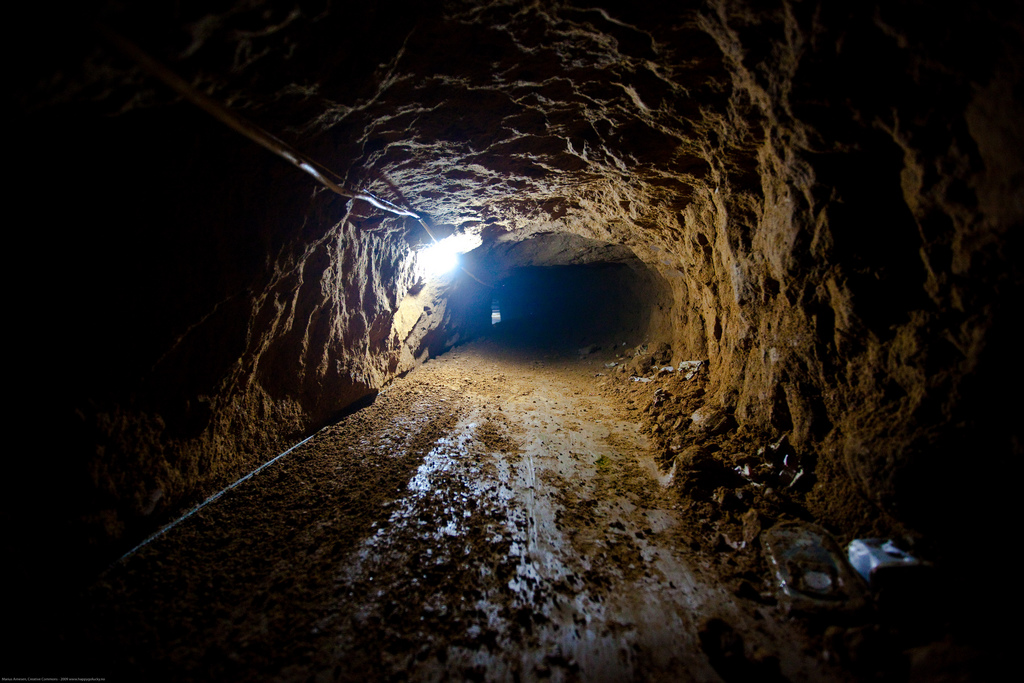
The Israel Defense Forces said they had completed work to seal a “massive” tunnel system in the southern Gaza Strip. Military briefings identified the tunnel as the one where Israeli officer Hadar Goldin was held after being killed and abducted in 2014 during Operation Protective Edge, turning the operation into both a current security measure and a symbolic closure of a long‑contested battleground. The army released footage of reinforced underground passages that it said stretched some 16 kilometers.
Separately, the IDF said it had struck a Hamas tunnel system in central Gaza “over the weekend,” asserting that Hamas operatives were working to restore the underground site “in violation of the ceasefire.” The Air Force also reported fresh strikes in the Deir al‑Balah area in central Gaza, saying it hit Hamas underground infrastructure after issuing evacuation warnings, sometimes referred to as “roof‑knocking” shots.
On the ground, local reporting from Gaza health and civil defense channels painted a grim tally for 29 June: three people were said to have been killed in a drone strike near Wadi Salqa Bridge in Deir al‑Balah in the morning, with two more killed in a UAV strike in the Mawasi area of Khan Younis in the afternoon. Another two were reported dead in a later strike, again in Mawasi, after prior evacuation warnings. An additional fatality was attributed to earlier wounds from IDF actions in the Strip. These figures could not be independently verified but are consistent with the pattern of sporadic but deadly strikes during periods officially labeled as ceasefire.
For families in central and southern Gaza, the geography of risk is shifting but not disappearing. Areas such as Mawasi, once presented as safer zones, now see drone and air strikes tied to claims of nearby underground infrastructure. The emphasis on tunnels means that civilians can be exposed to sudden attacks not because of what is visible above ground, but because of what militaries suspect runs beneath homes, roads and fields.
From Israel’s perspective, the tunnel network is both a tactical and psychological target. Sealing and collapsing underground routes used for smuggling fighters, weapons and hostages is seen as essential to preventing future cross‑border raids and rocket stockpiles. But every new operation under a ceasefire agreement raises hard questions over where the line lies between pre‑emptive defense and actions that risk reigniting broader hostilities.
The broader regional stakes are non‑trivial. International mediators trying to hold together ceasefire arrangements must contend with a battlefield that is increasingly subterranean and difficult to monitor. Each claimed violation — by Hamas, through tunnel reconstruction, or by Israel, through strikes that kill civilians — erodes trust in mechanisms meant to keep the front quiet and makes a wider flare‑up easier to trigger and harder to contain.
The episode offers a stark insight: when conflict goes underground, civilians lose the ability to see where it is safe to live. A neighborhood can look untouched and still sit atop the next target in a war of tunnels and precision munitions.
Diplomatic and humanitarian observers will be watching for any formal protests over ceasefire violations, changes in Hamas’s public messaging about tunnel operations, and shifts in Israel’s rules for authorizing strikes in areas designated as humanitarian zones. A spike in civilian casualties from strikes tied to underground targets would be a clear warning sign that the ceasefire’s constraints are giving way to a more open campaign.
Sources
- OSINT