Russian Oil Refinery Fire From Suspected Ukrainian Drone Attack Puts Energy Sites Under Pressure
An oil refinery in Russia’s Krasnodar region is burning after what was reported as a Ukrainian drone strike, extending the range of the war to facilities that feed Russia’s energy exports and domestic supply. While details remain limited, the incident adds to a pattern of long-range attacks on Russian fuel infrastructure far from the front. Readers will understand where this refinery sits in Russia’s energy network and why recurring hits matter for both the battlefield and markets.
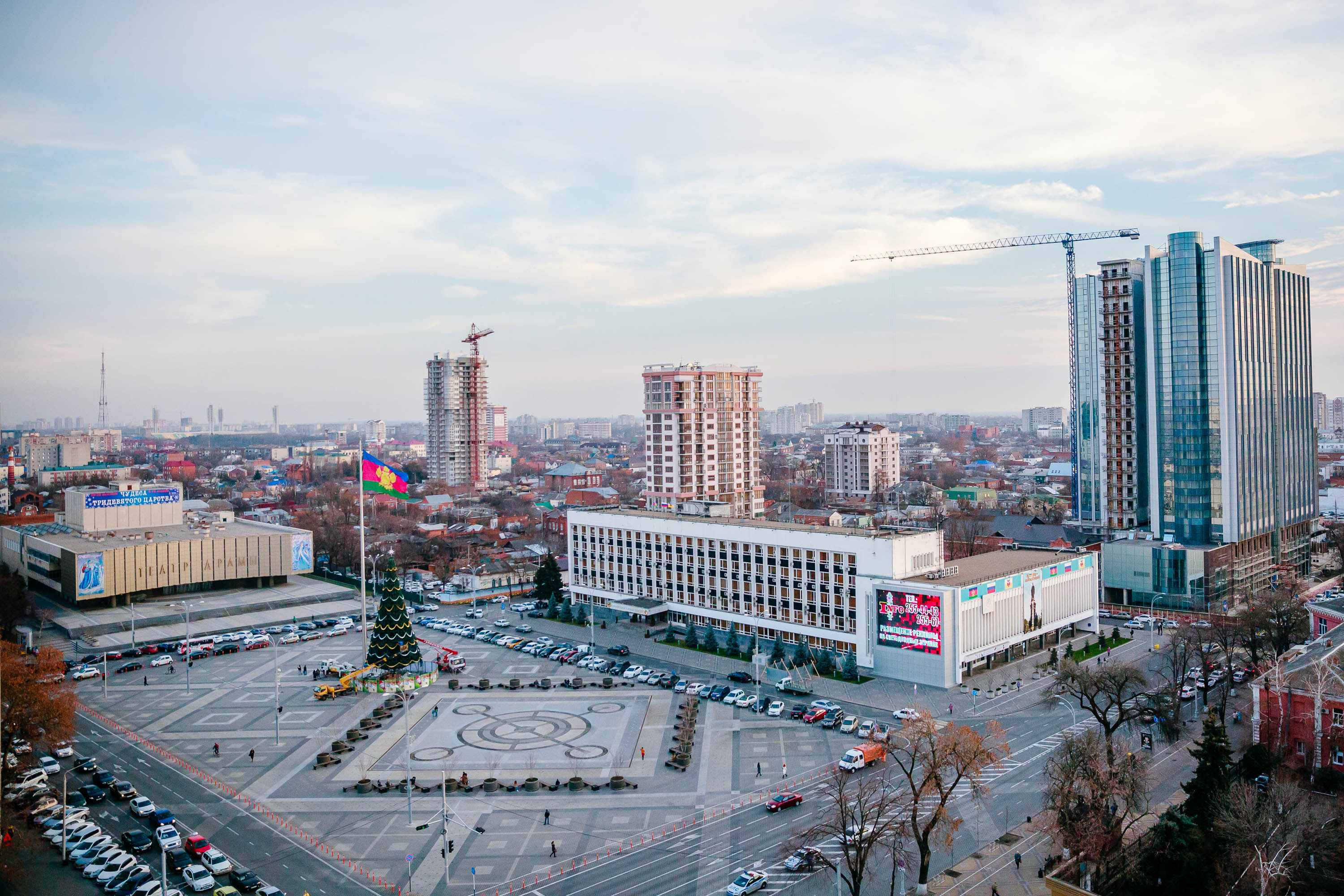
A fire at an oil refinery in Russia’s southern Krasnodar Krai has again put the country’s energy infrastructure in the crosshairs, with initial reports attributing the blaze to a Ukrainian drone attack and raising questions about the resilience of Russian fuel facilities far from the front lines.
The refinery, located in a region that hosts multiple energy and export assets on the Black Sea and nearby transport corridors, was reported burning late on 27 June after what outlets described as a strike by Ukrainian unmanned systems. There was no immediate official confirmation from Moscow of the cause or scale of the damage, and Kyiv has yet to issue a formal claim for this specific operation, in keeping with a pattern of strategic ambiguity around attacks on Russian territory.
If confirmed as a Ukrainian drone strike, the incident would fit a broader campaign targeting oil depots, refineries and logistics hubs hundreds of kilometers from active battlefields. Kyiv has argued that such operations are aimed at degrading Russia’s capacity to fuel its military machine and to finance the war through energy exports, while also forcing the Kremlin to divert air-defense assets away from front-line areas.
For residents and workers in Krasnodar Krai, the immediate impact is local: fires at industrial sites bring risks of explosions, toxic smoke and temporary job or production disruptions. For Russian planners, however, each successful penetration by hostile drones into the airspace of a key energy region is a reminder that layered defenses remain porous, despite heavy investment in radar, electronic warfare and point-defense systems around critical infrastructure.
Strategically, repeated hits on oil infrastructure accumulate. Even if individual fires are contained and facilities quickly patched, the compounding costs of repair, higher insurance premiums, and the need to harden sites across a wide geography erode Russia’s economic cushion. Over time, a sustained campaign can force re-routing of fuel flows, create bottlenecks in supplying military units, and sow uncertainty in the minds of energy traders and shipping companies that rely on predictable output.
For Ukraine, the ability to reach deep into Russian territory with drones offers a relatively low-cost way to impose pain and signal that distance is no guarantee of safety for assets linked to the war effort. Yet it also carries escalation risks, giving Russia a pretext to intensify its own strikes on Ukrainian critical infrastructure or to target new categories of sites.
Global markets are watching these episodes for signs of structural disruption rather than one-off incidents. Russia remains a key player in oil and refined products markets, and while a single refinery fire in Krasnodar is unlikely by itself to shift prices, a pattern of successful attacks on production and export nodes could change risk calculations for buyers, insurers and competitors. Energy security planners in Europe and Asia will be parsing satellite images and throughput data to gauge whether these hits are nibbling at the edges of Russia’s capacity or beginning to bite.
The next questions are technical and strategic: how quickly the refinery can return to full operations, whether Russian authorities visibly reinforce air defenses across Krasnodar and other energy-rich regions, and if Ukraine continues to prioritize such targets as it balances limited long-range strike assets against competing military needs. The answer will help determine whether Russia’s energy network becomes a secondary front in the conflict or merely an intermittent pressure point.
Sources
- OSINT