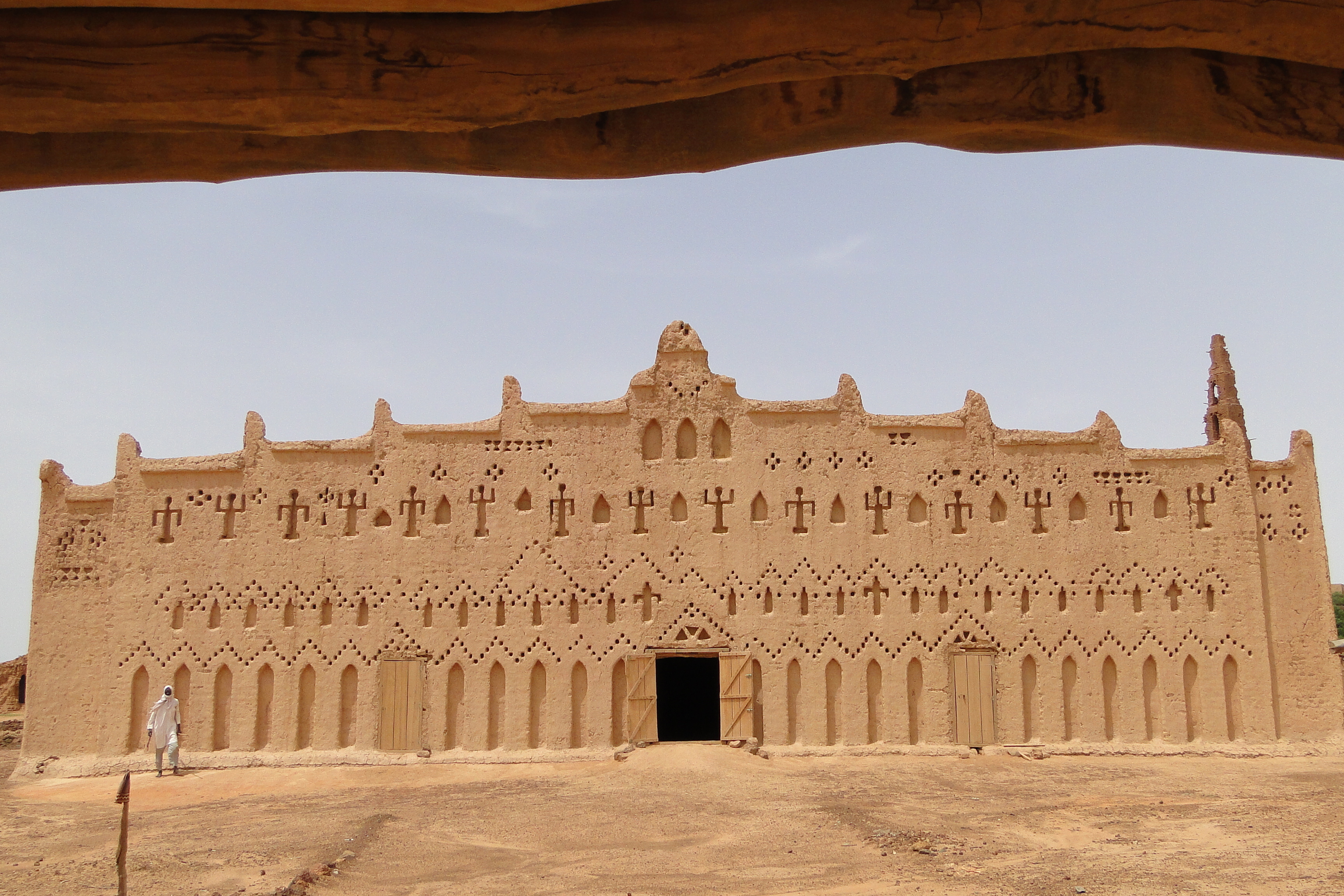
Burkina Faso’s Break With France Exposes Deepening Rift Over Influence and Security in the Sahel
Burkina Faso has severed diplomatic relations with France, accusing its former colonial power of violating principles of mutual respect and non‑interference. The move accelerates France’s retreat from the Sahel and reshapes the security map in a region already battling jihadist insurgencies, military coups and competing offers of partnership from Russia and others.
A West African state on the front line of jihadist violence has just told its former colonial power to pack up diplomatically, not just militarily. Burkina Faso’s decision to break off relations with France is more than a symbolic snub; it is another step in the unraveling of Paris’s role as the default security partner across the Sahel.
Communications Minister Gilbert Ouedraogo announced on state television on Friday that Burkina Faso is severing diplomatic ties with France. He said the move was taken over what Ouagadougou views as France’s failure to uphold principles of mutual respect and non‑interference. The declaration follows earlier decisions by Burkina Faso’s junta to expel French troops and ambassadors, pivot to alternative security partners, and embrace more assertive sovereignty rhetoric.
For Burkinabé citizens, the break lands in a country where large parts of the territory are contested by armed groups affiliated with al‑Qaeda and Islamic State, and where civilians in rural areas have suffered massacres, displacement and economic collapse. French forces were once a visible, if controversial, presence in the fight against these insurgents. Their departure, and now the snapping of diplomatic channels, reduces the avenues for coordination on intelligence, counterterrorism support, and humanitarian access — even as the security crisis continues.
The move also affects French nationals and businesses in Burkina Faso, from mining companies tapping the country’s gold reserves to aid organizations and schools. Without full diplomatic relations, consular protection, crisis response and commercial dispute mechanisms become more complicated. That adds another layer of risk for foreign investors in a region where coups, sanctions and changing alliances have already made long‑term planning difficult.
Strategically, Burkina Faso’s announcement fits a broader pattern of military‑led governments in the Sahel distancing themselves from Paris and seeking new patrons. Mali and Niger have already forced out French troops and embraced closer ties with Russia and other non‑Western actors, often accompanied by strong anti‑French messaging. Each rupture chips away at France’s decades‑long network of defense agreements, training missions and political influence south of the Sahara, and opens more space for rival powers to offer security assistance with fewer human rights conditions.
For European policymakers, the trend raises uncomfortable questions about how to manage migration, terrorism and political instability emanating from the Sahel without the kind of on‑the‑ground partnerships they have relied on. It also complicates multilateral efforts, from UN peacekeeping to regional force initiatives, that often depended on French logistical backbone and diplomatic convening power. With each state that turns its back on Paris, the idea of a coherent Western security architecture in the region looks less persuasive.
From Burkina Faso’s perspective, the rupture is pitched as a reclaiming of sovereignty from a former colonial power seen by many in the population as patronizing or manipulative. The junta frames its choices as a turn toward partners that do not, in its view, interfere in internal politics. For critics inside and outside the country, the fear is that breaking with France does little to address corruption, governance failures or the underlying grievances that fuel recruitment into armed groups.
A clear takeaway is that in the Sahel, security guarantees tied to colonial memory can quickly become liabilities; populations unhappy with their governments and foreign troops are willing to back radical realignments, even when the alternatives are untested or opaque.
The key developments to watch now include which state Burkina Faso turns to for deeper security cooperation — whether Russia, regional neighbors or private military outfits — and how quickly any new arrangements translate into changes on the ground. Reactions from Paris and the European Union will signal whether they intend to maintain some form of engagement through indirect channels, while shifts in attack patterns by jihadist groups will reveal whether they see the diplomatic rupture as an opportunity to expand.
Sources
- OSINT