Russian and Ukrainian drone salvos intensify war’s reach from Moscow to the Black Sea
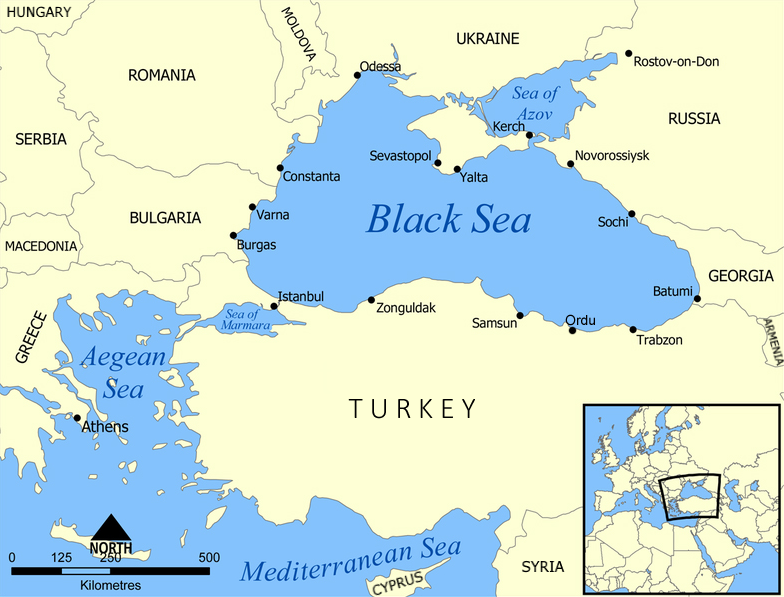
Russia reported downing 175 Ukrainian drones overnight across several regions and over the Black Sea, while Ukrainian forces said they intercepted most of 129 Russian UAVs, with 13 reaching targets in seven locations. The dueling drone barrages show how both sides are stretching the war’s geography and testing air defenses far from the front line.
The airspace over Russia and Ukraine is becoming its own contested front, as mass drone launches by both sides push the war deep into each other’s rear and expose gaps in civilian safety. Russia’s Defense Ministry said on 27 June that its air defenses destroyed 175 Ukrainian unmanned aerial vehicles between 07:00 and 20:00 local time over multiple regions and above the Black Sea. In parallel, Ukrainian authorities reported that Russian forces launched 129 drones, of which 113 were destroyed or suppressed, while 13 strike UAVs hit seven locations and debris from intercepted drones fell on three others.
The scale of the overnight exchanges underscores how drones have shifted from occasional harassment tools to central instruments of long‑range attack and defense. While each side seeks to highlight its interception rates — Russia citing triple‑digit shoot‑downs and Ukraine speaking of high percentages neutralized — the numbers also confirm that dozens of UAVs are being launched in a single window, saturating radar screens and missile batteries over large areas.
For civilians far from the front, the result is a gnawing sense that no region is fully insulated from the conflict. In Russia, reports of interceptions near major urban centers, including Moscow and resort areas such as Sochi, signal that cities once treated as symbolic targets are now facing routine drone alerts. In Ukraine, continued Russian strikes on infrastructure and residential areas mean that air‑raid sirens and the sound of drones overhead have become part of daily life, with falling debris itself posing lethal risk even when defenses work.
Operationally, both militaries are engaged in a cat‑and‑mouse contest. Ukraine’s drones, many domestically produced or adapted from commercial models, are probing Russian air defenses across a vast territory, looking for seams that allow them to hit energy infrastructure, oil depots, and defense plants. Russia is doing the same to Ukraine’s power grid, logistics nodes, and industrial centers using its own mix of one‑way attack drones and missiles. Each successful strike yields lessons on flight paths, guidance systems, and timing that can be fed back into the next wave.
Strategically, the rising tempo of UAV operations stretches air‑defense resources and budgets. Intercepting relatively cheap drones often requires expensive missiles and constant radar operation, a trade that can favor the attacker over time. Both Moscow and Kyiv must continually decide where to concentrate their limited high‑end systems — around capitals, front‑line forces, critical infrastructure, or key industrial sites like the Volgograd plant hit in a separate Ukrainian strike.
The widening drone war also complicates regional security planning. NATO members bordering Russia and Ukraine monitor these air battles for signs of spillover risk, whether in the form of malfunctioning drones crossing borders or radar interference affecting civilian aviation. Insurance costs and routing decisions for airlines and cargo operators are tied to perceptions of how controlled, or uncontrolled, this drone activity is in civilian air corridors.
A striking takeaway from the latest salvos is that the psychological effect of drones now rivals their physical damage. Even when most are shot down, each night of buzzing engines, explosions in the sky, and official tallies of interceptions grinds down public resilience and keeps both societies on edge. Warfare that was once contained to battlefronts is now mapped onto the skies above people’s homes and workplaces.
Key indicators to follow include changes in the types and ranges of drones used, evidence of new counter‑drone technologies being deployed, and whether either side begins to conserve UAVs in response to production or supply constraints. A sudden drop or spike in the number of drones launched, or a notable shift in target selection — for example, more strikes on major command centers or energy hubs — would signal another turn in this evolving air war.
Sources
- OSINT