Baltic ‘Provocation’ Warning Puts NATO’s Northern Flank on Edge
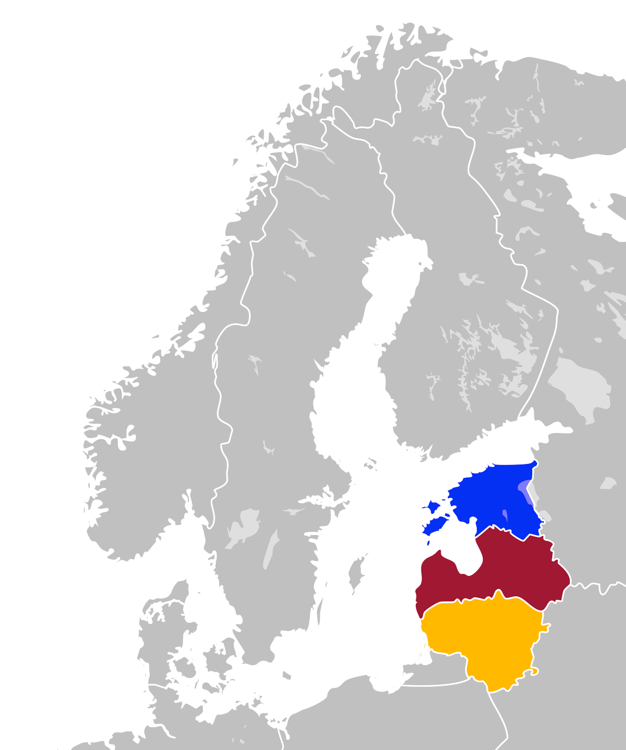
Western sources say Russia may be preparing a staged ‘provocation’ in the Baltic states or Poland, raising the specter of a manufactured crisis on NATO territory. For governments from Tallinn to Warsaw, even the possibility forces a harder look at border security, hybrid tactics and how quickly a local incident could draw in the entire alliance.
For NATO’s northern members, the most dangerous Russian move may not be an armored column, but a staged incident engineered to look like something else. On 26 June, Western sources said Russia is preparing a possible “provocation” in the Baltic states or Poland, prompting fresh concern that Moscow could use a manufactured crisis on NATO soil to test the alliance’s red lines.
The warning, which has not been publicly detailed by governments, points to the risk that Russia might orchestrate an incident—such as a border clash, sabotage, or attack attributed to a third party—and then exploit the confusion for propaganda, leverage or limited military aims. No specific country, target or time frame has been officially identified, and there is so far no confirmation that a concrete operation is underway. But even a credible hint of such planning is enough to force frontline states and NATO commanders to re‑examine their assumptions.
For people living along the alliance’s eastern border, from rural crossings in eastern Poland to ferry ports and rail hubs in Latvia, Lithuania and Estonia, the implications are unsettling. A downed drone in a field, a damaged cable on the seabed, a fire in a border facility, or a sudden surge of unidentified migrants could become more than a local story if suspicion of Russian involvement hangs over the event. Civilian police, border guards, port workers and energy technicians become the first responders in what could quickly be framed as a test of NATO resolve.
Operationally, the risk of a “provocation” combines physical and informational pressure. Russia has already been accused of using migration flows, cyber attacks, GPS jamming, undersea infrastructure interference and disinformation campaigns to harass and destabilize its neighbours without triggering a conventional response. A more theatrical incident on alliance territory—especially if it produced casualties or major infrastructure damage—could be used by Moscow to claim victimhood, justify counter‑measures, or probe whether NATO can agree on attribution and a unified reaction under time pressure.
Strategically, the warning lands at a sensitive moment. The Baltic Sea has effectively become a NATO lake after Finland and Sweden joined the alliance, tightening the ring around Russia’s Kaliningrad exclave and its northwest military district. Poland, meanwhile, has transformed itself into a key logistics and training hub for Ukraine’s war effort. Both areas are central to the alliance’s new defence plans, which assume that deterrence depends not just on forces, but on the credibility of a fast, political decision to act if any member is attacked.
The logic of a provocation is simple: if Russia can muddy the waters around what counts as an attack, it can make NATO’s Article 5 guarantee look less automatic in practice than on paper. The alliance would then be forced to juggle intelligence thresholds, legal standards of proof and domestic political calculations—all under the glare of social media narratives that Moscow has already prepared. In that sense, a border incident does not need to be large to be effective; it only needs to be confusing enough to divide.
The shareable insight is this: on NATO’s eastern frontier, the most destabilizing weapon may now be a small incident with a big question mark over who caused it. That ambiguity is what turns a local fire, explosion or confrontation into a strategic instrument.
In the coming days, signals to watch include any unusual activity or closures along the borders of Poland and the Baltic states, sudden spikes in disinformation about alleged attacks or border abuses, official statements on hybrid threats from regional capitals, and any moves by NATO to adjust its readiness posture or surveillance of critical infrastructure in the Baltic Sea region.
Sources
- OSINT