Blackout in Sevastopol: Ukrainian Drone Barrage Puts Crimea’s Power Grid Under Military Pressure
A concentrated Ukrainian drone assault on occupied Crimea overloaded local air defenses, leaving Sevastopol and parts of Russian-controlled Kherson Oblast without power. Strikes on the Simferopol thermal plant and other energy targets turned the peninsula’s grid into a front line, with residents ordered to ration phone use as emergency crews scrambled in the dark.
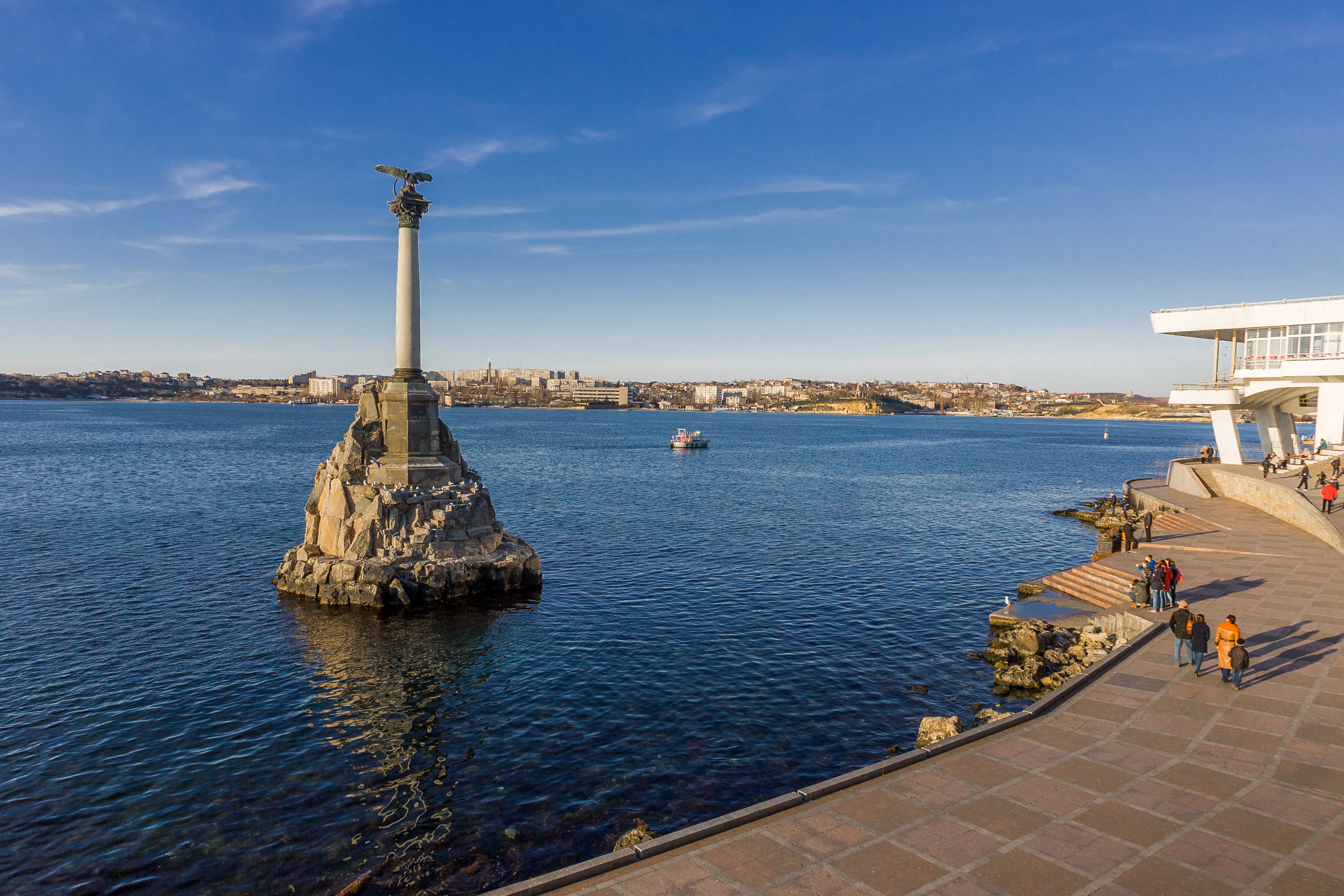
Crimea’s largest Russian-occupied city woke up without power on 24 June, after a heavy Ukrainian drone barrage hit energy infrastructure across the peninsula and into Russian-controlled Kherson, leaving Sevastopol in blackout and exposing how central electricity has become to the war.
Ukrainian drones attacked the Simferopol thermal power plant overnight, triggering a fire at the facility and causing power outages in the city, according to local occupation authorities and Ukrainian military-linked channels. Images shared from the Sevastopol area showed a burning substation, while occupation officials acknowledged that Sevastopol and the portion of Kherson Oblast under Russian control had been cut off from electricity due to damage from what they described as enemy strikes.
Local authorities in Sevastopol told residents to conserve phone batteries and limit power usage when supply is partially restored, indicating that repairs are expected to be gradual and that the grid is operating under severe strain. Ukrainian commentary said Russian forces had spent days stockpiling attack drones on the peninsula, suggesting that Kyiv’s planners exploited a window when Russian air-defense assets were oriented toward offensive operations to launch their own mass drone attack.
For residents across occupied Crimea and Kherson, the consequences are sharp and practical: no lights, interrupted water pumping, fragile medical services, and uncertain access to communications in a region already militarized and under tight information control. What for Moscow is a rear staging area for operations in southern Ukraine is, for civilians living under occupation, now also a battlefield for energy infrastructure.
Militarily, this is more than an inconvenience. Sevastopol is the home port for the remnants of Russia’s Black Sea Fleet and a key logistical node for operations in southern Ukraine. Repeated disruptions to power complicate everything from ship repair and ammunition handling to radar coverage and command-and-control. The overnight barrage, described by pro-Ukrainian sources as using a stockpile of Ukrainian strike UAVs built up over several days, appears designed to overload local air defenses and expose weak points in the peninsula’s layered protection.
The blackout also feeds into a broader contest of attrition on infrastructure. In recent months, Russia has hammered Ukraine’s grid with drones and missiles, while Ukraine has answered with strikes on Russian oil refineries, gas plants, and now the occupied territories’ power systems. The result is a widening energy front, where distribution nodes, substations, and thermal plants are treated as legitimate targets because of the military leverage they provide.
One emerging lesson is that occupation does not turn captured energy networks into reliable assets; it turns them into liabilities that must be defended, repaired, and politically justified to domestic audiences every time the lights go out. For Moscow, keeping Crimea powered is not only about military readiness but also about proving that annexation translates into security, not chronic vulnerability.
Key indicators to watch now include how quickly electricity is restored to Sevastopol and Russian-held Kherson, whether the Simferopol plant can return to normal output, and if Russia shifts more air-defense systems to cover energy nodes in Crimea at the expense of other fronts. Any repeat blackout events over the coming weeks would signal that Ukraine has found a durable way to pressure Russia’s grip on the peninsula without necessarily launching a ground offensive.
Sources
- OSINT