Gaza Strikes and Ground Push in Al‑Atatra Deepen Civilian Risk and Test Israel’s War Aims
Israeli jets carried out at least three strikes on buildings in northern and central Gaza after issuing "knock on the roof" warnings, while reports pointed to IDF ground advances around the Al‑Atatra area. For Gazan civilians already displaced multiple times, another push in the north means fresh uncertainty about where, if anywhere, is safe.
Israel’s latest wave of strikes and reported ground movements in the Gaza Strip is pushing civilians in the north back into the path of heavy combat, even as the government in Jerusalem insists it is pursuing its security needs. The operations around Al‑Atatra and other neighborhoods highlight how each new push in Gaza multiplies the displacement and danger for people who have already endured months of bombardment and evacuation orders.
In the two hours leading up to roughly 06:00 UTC on 24 June, Israeli fighter jets struck buildings in three areas of the Gaza Strip following what the Israel Defense Forces describe as "knock on the roof" warnings—small munitions or other measures meant to signal an impending strike. The targeted sites were reported as being in Al‑Atatra in the northern Gaza Strip, the Tuffah neighborhood, and at least one additional location in the center. Simultaneously, multiple Gaza-based sources reported IDF ground advancements in the northern part of the Strip, with particular emphasis on the Al‑Atatra area.
The IDF has not publicly detailed all of the objectives of the latest strikes or the depth of ground movements, and casualty figures were not immediately available. But the pattern—warning shots followed by full strikes on buildings in populated zones—follows a familiar rhythm in this war, one that often leaves residents with minutes or less to decide whether and where to flee. For those who have already moved several times under earlier evacuation demands, each new warning means packing up trauma as much as belongings.
For Gazan families, the renewed focus on areas like Al‑Atatra and Tuffah means that neighborhoods sometimes designated as temporary refuges can rapidly flip back into active battlefields. The "knock on the roof" procedure may avert some of the worst‑case civilian death tolls, but it does not solve the deeper problem: a densely populated strip with limited routes out and few genuinely safe zones. Every advance and airstrike disrupts what remains of basic services, schooling, and access to food and medicine.
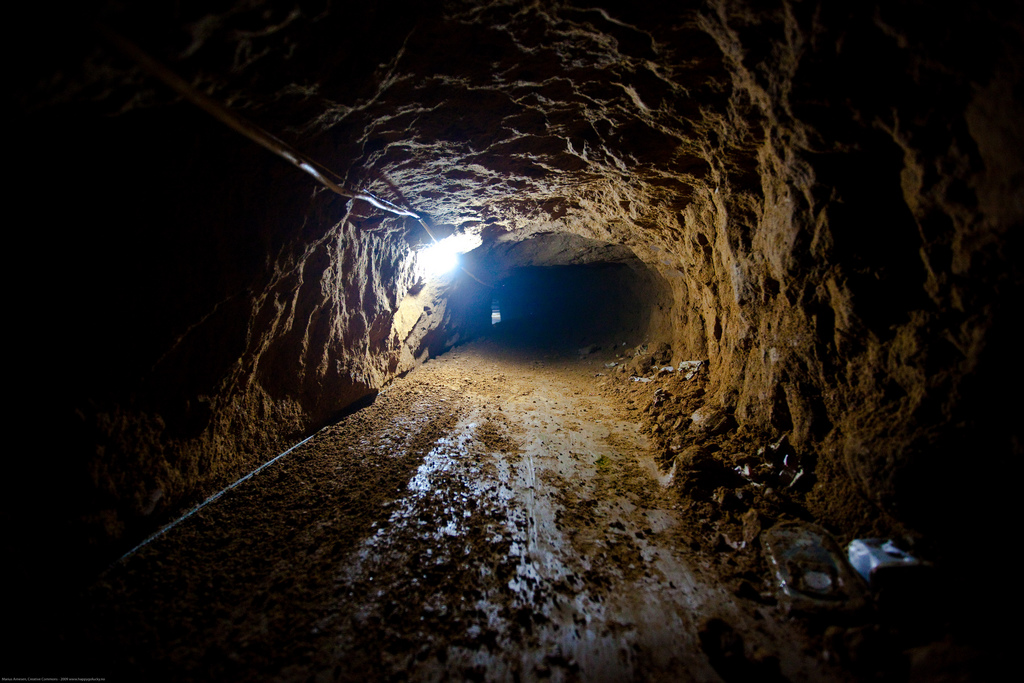
From Israel’s perspective, the ongoing operations are framed as necessary to dismantle militant infrastructure and prevent future attacks. Northern Gaza has long been described by Israeli officials as a crucial hub for armed groups’ tunnels, rocket launchers, and command posts. Repeated strikes and incursions there suggest that, despite months of fighting, the military believes significant capabilities remain or have regenerated. That, in turn, raises questions among Israel’s own security community and international partners about the clarity and achievability of the campaign’s end state.
Regionally and internationally, each new round of bombing and ground movement in Gaza feeds political pressure on Israel from partners who support its right to defend itself but are increasingly wary of open‑ended, high‑casualty urban warfare. In the United States and Europe, the debate has split legislatures and governments over weapons transfers, ceasefire proposals, and conditions on aid, with domestic constituencies pressing leaders to account not only for Israel’s security but also for Palestinian civilian lives.
Strategically, urban operations in areas like Al‑Atatra are costly and complex even for a well‑resourced military. They absorb elite infantry units, artillery, armor, drone support, and close air support, while exposing forces to ambushes, improvised explosives, and the fog of combat in rubble-strewn streets. Every new push risks generating images and reports of civilian suffering that adversaries can leverage in the information domain, even when the IDF uses warning tactics like roof‑knocking.
A lesson repeatedly driven home in Gaza is that precision tactics do not eliminate the human cost of fighting where homes, hospitals, and hiding places blend together. The more often neighborhoods like Al‑Atatra cycle between front lines and evacuation zones, the harder it becomes for residents to rebuild any semblance of normal life between offensives.
The next developments to watch include whether the IDF confirms an extended ground presence in northern Gaza or presents the current activity as a limited raid; any new, large‑scale evacuation orders that could signal a broader operation; and casualty and damage assessments from the latest strikes. Diplomatic reactions, particularly from key Arab states and Western governments, will indicate how much additional political space Israel has to continue this pattern of air and ground pressure in the Strip.
Sources
- OSINT