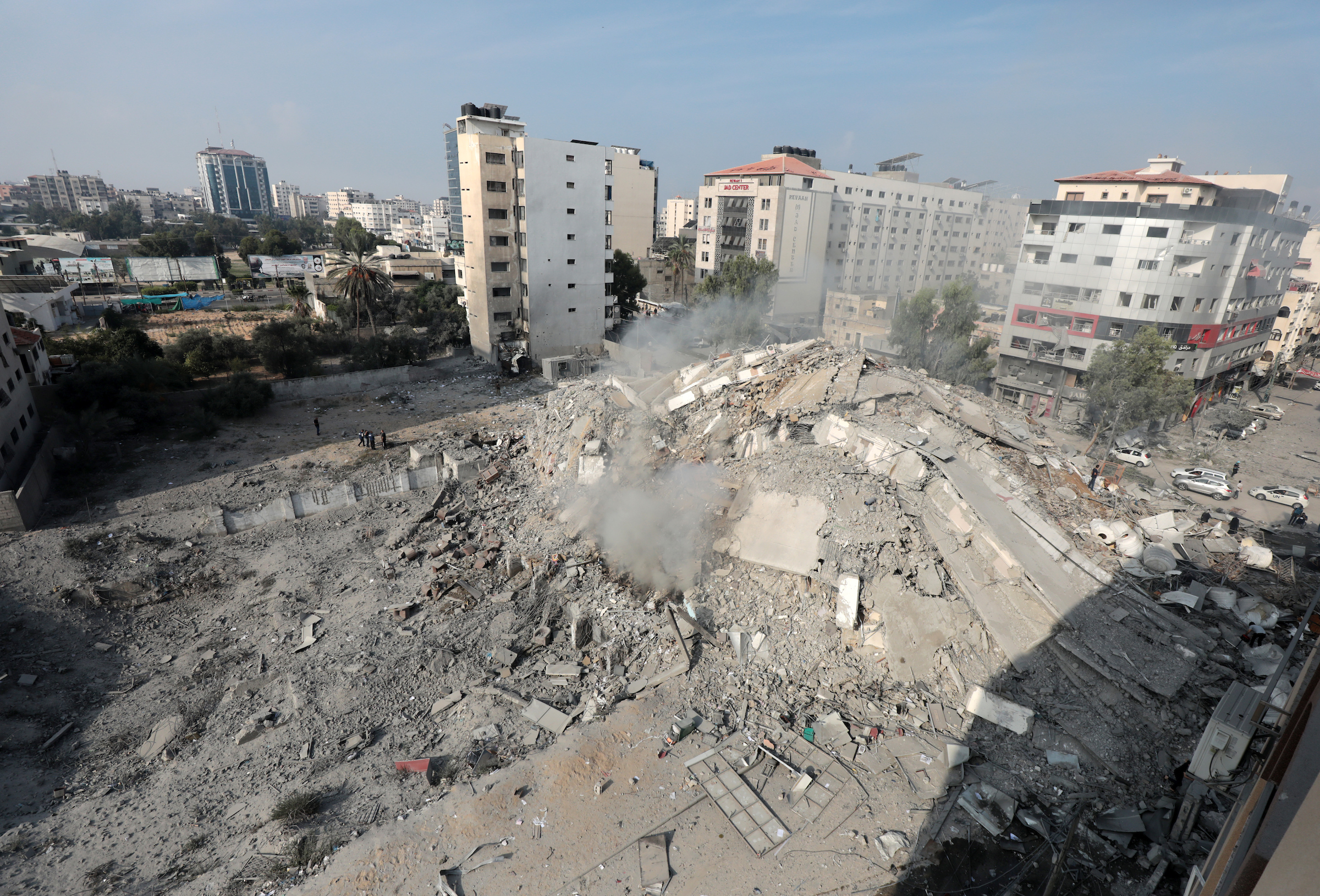
Israeli Airstrikes on Southern Lebanon Deepen Escalation Risk and Stall U.S.–Iran Diplomacy
Israel bombed southern Lebanon through the night into Friday morning as fighting with Hezbollah and other groups grinds on along the border. Citing the ongoing combat, Iran pulled out of planned talks with the United States in Switzerland, leading Washington to postpone a high‑profile visit and Swiss officials to confirm the meeting is off. Readers will learn how a localized air campaign is now shaping the trajectory of U.S.–Iran diplomacy and wider regional risk.
Overnight Israeli airstrikes on southern Lebanon are now reverberating far beyond the border. As Israeli jets hit targets in the south of the country through the night and into the morning of 19 June, Iran canceled a planned round of talks with the United States in Switzerland, prompting Washington to shelve a senior visit and Swiss officials to confirm that no meeting would take place in the resort of Bürgenstock.
The strikes, reported in the early hours by regional sources, extended an already grinding pattern of Israeli bombardment and Hezbollah rocket fire that has kept communities on both sides of the border on edge. Details on casualties and physical damage from the latest wave were not immediately available, but the continuation of night‑long bombing runs underlines that neither Israel nor Lebanese armed groups are willing to stand down, even as the humanitarian and economic costs mount.
Iran’s decision to withdraw its delegation from the Swiss talks was explicitly linked to the fighting in Lebanon, according to accounts citing Iranian officials. The talks, which were expected to involve senior U.S. figures including JD Vance, were seen as an early test of whether Washington and Tehran could build on a recent deal that had eased tensions in the Gulf and allowed Iranian ships to head back to their home ports under what Tehran described as “business as usual.” After Iran canceled, Vance postponed his trip, and Switzerland publicly confirmed that no U.S.–Iran meeting would occur on 19 June.
For civilians in southern Lebanon, the immediate stakes are physical survival and displacement. Repeated airstrikes damage homes, agriculture and basic infrastructure in a region that has seen cycles of war for decades. Each new round of bombing complicates efforts by families to decide whether to stay, leave temporarily, or attempt a more permanent relocation in a country already strained by economic crisis. On the Israeli side of the border, communities live under the threat of rocket and drone fire, with periodic evacuations and disruptions to daily life.
Diplomatically, the linkage between battlefield tempo and negotiation calendars is becoming harder to ignore. Iran’s message in canceling the Switzerland talks is that it is unwilling, or politically unable, to conduct high‑profile diplomacy with the United States while its Lebanese allies are under heavy fire. For Washington, the aborted meeting shows how efforts to stabilize one theater — the Gulf and Hormuz maritime lanes — can be suddenly upended by escalation in another.
The risk is that a feedback loop takes hold: intensified Israeli strikes in Lebanon harden positions in Tehran, which in turn reduces channels for U.S.–Iran crisis management, raising the chance of miscalculation in the Gulf or Iraq. With Iranian ships reportedly returning to the Gulf under a recent arrangement and U.S. naval deployments still heavy after the Iran conflict, any breakdown of quiet understandings could quickly translate into more dangerous encounters at sea.
Regionally, allies and adversaries are watching closely. Arab governments worry that a prolonged air campaign in Lebanon could spark a wider confrontation drawing in Syria or Gaza. European states, already dependent on energy flows through the Eastern Mediterranean and the Suez route, see renewed escalation as another potential shock on top of existing wars and Red Sea disruptions.
The shareable insight from this moment is stark: an airstrike in one small corner of Lebanon can now delay or derail diplomacy among the region’s largest actors. Escalation in a border town does not stay there; it travels with every canceled flight and scrapped meeting.
The key signals to monitor next are whether the pace and intensity of Israeli strikes in southern Lebanon increases further, whether Hezbollah or other groups respond with deeper‑range attacks into Israel, and whether Washington and Tehran can quietly reschedule talks or resort to lower‑level, back‑channel communication. Any move by either side to formally suspend or walk away from the broader U.S.–Iran understanding on maritime security would mark a sharp turn toward wider regional instability.
Sources
- OSINT