Russian strikes on Black Sea cargo ships expose new risk for global crews
Russian forces hit two civilian cargo vessels in the Black Sea, killing a sailor on a Panama-flagged ship and wounding several others, Ukraine’s foreign minister said. Targeting commercial crews near one of the world’s key grain routes turns seafarers into frontline casualties and raises fresh questions over how safe global shipping really is. Readers will learn what was struck, where, and how it could change risk calculations from insurers to exporters.
A civilian sailor killed on a grain route is the kind of casualty shipowners have feared since the first missiles flew over the Black Sea. On 19 June, Ukraine’s foreign minister said Russian forces struck two commercial vessels flying foreign flags, a rare but deeply consequential escalation against civilian shipping in contested waters.
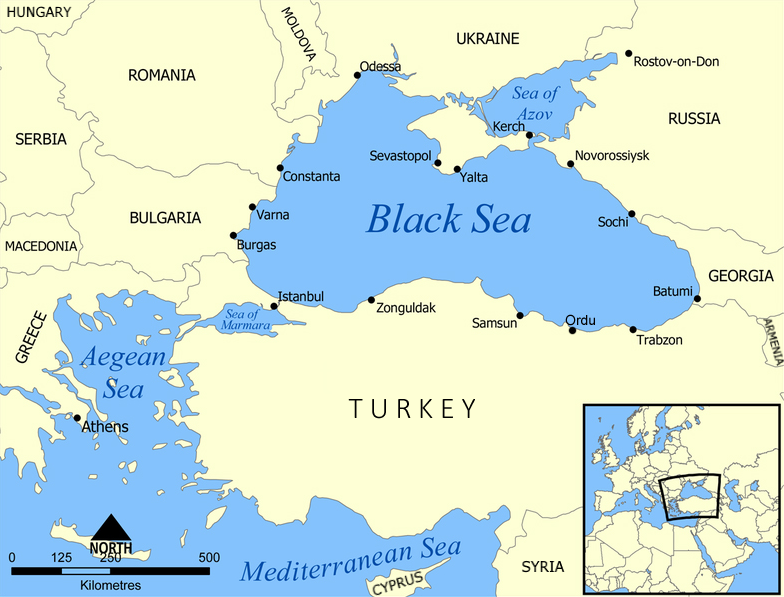
According to Ukrainian Foreign Minister Dmytro Kuleba, one sailor was killed and two were injured aboard a Panama-flagged vessel after it was hit in the Black Sea. A second strike reportedly hit a ship sailing under the flag of Saint Kitts and Nevis, leaving three crew members with light wounds. The attacks were reported at around 06:09 UTC on Wednesday. Kuleba said both ships were civilian and operating in international waters, though precise coordinates and cargo details were not immediately disclosed.
Ukraine has framed the strikes as a deliberate attack on civilian maritime traffic, accusing Moscow of turning the Black Sea into an active war zone for global commerce. Russia has not publicly confirmed the incidents or provided its own account. Independent verification of the exact circumstances remained limited in the hours after the reports, but the core details — two foreign-flagged ships hit, with one fatality and multiple injuries — mark a significant human cost for a sector that has tried to keep goods moving through a conflict zone.
For the crews who sail these routes, the risk is no longer theoretical. Merchant mariners already operate under a patchwork of navigational warnings, shifting insurance clauses and military advisories. A direct hit that kills a sailor on a recognized commercial flag is likely to sharpen crew anxiety, complicate recruitment for voyages through the northwestern Black Sea, and strengthen the hand of unions and shipmasters who argue that some routes are becoming unacceptable. Families of foreign seafarers now face the reality that a contract run into or near Ukrainian waters can carry the same lethality as a land battlefront.
Operationally, any perception that Russia is prepared to strike foreign-flagged shipping could force shipowners, charterers and insurers to reevaluate risk models built on assumptions of limited, carefully signaled strikes. War-risk premiums on hull and cargo policies for Black Sea voyages may rise again, putting pressure on exporters in Ukraine, Russia and third countries that rely on these lanes to move grain, metals and other goods. Governments whose flags were flown — Panama and Saint Kitts and Nevis — may also come under domestic pressure to respond diplomatically or review their flagging policies.
Strategically, the Black Sea has been a critical outlet for Ukrainian grain and other exports routed through alternative corridors after Russia’s full-scale invasion and the breakdown of earlier shipping arrangements. Even if volumes can still flow through designated corridors, attacks on civilian vessels raise the stakes for NATO members and Black Sea littoral states monitoring the risk of miscalculation. What began as a largely military contest for sea control increasingly bleeds into the civilian maritime domain, where a single mis-aimed missile can drag multiple countries into a political storm.
The pattern of strikes fits a broader Russian campaign to contest Ukraine’s economic resilience and leverage control over Black Sea access as a bargaining chip with Western capitals. Hitting ships with flags from smaller states tests how much political backlash Moscow is willing to absorb, and how far distant governments will go to defend the safety of their registries when their citizens — or the crews sailing under their flag — are harmed.
Shipping does not need a formal blockade to be disrupted; it needs enough credible danger that captains hesitate, insurers tack on new surcharges and importers quietly look for alternative routes. That is the pressure point these latest strikes press on.
The next signals to watch will include any public confirmation or denial from Russia, diplomatic responses from Panama and Saint Kitts and Nevis, and movements in war-risk insurance rates for Black Sea transits. Changes in routing patterns for grain and bulk carriers, as well as any new navigational advisories from regional navies, will show whether this attack is treated as an aberration or the start of a more dangerous phase for civilian shipping.
Sources
- OSINT