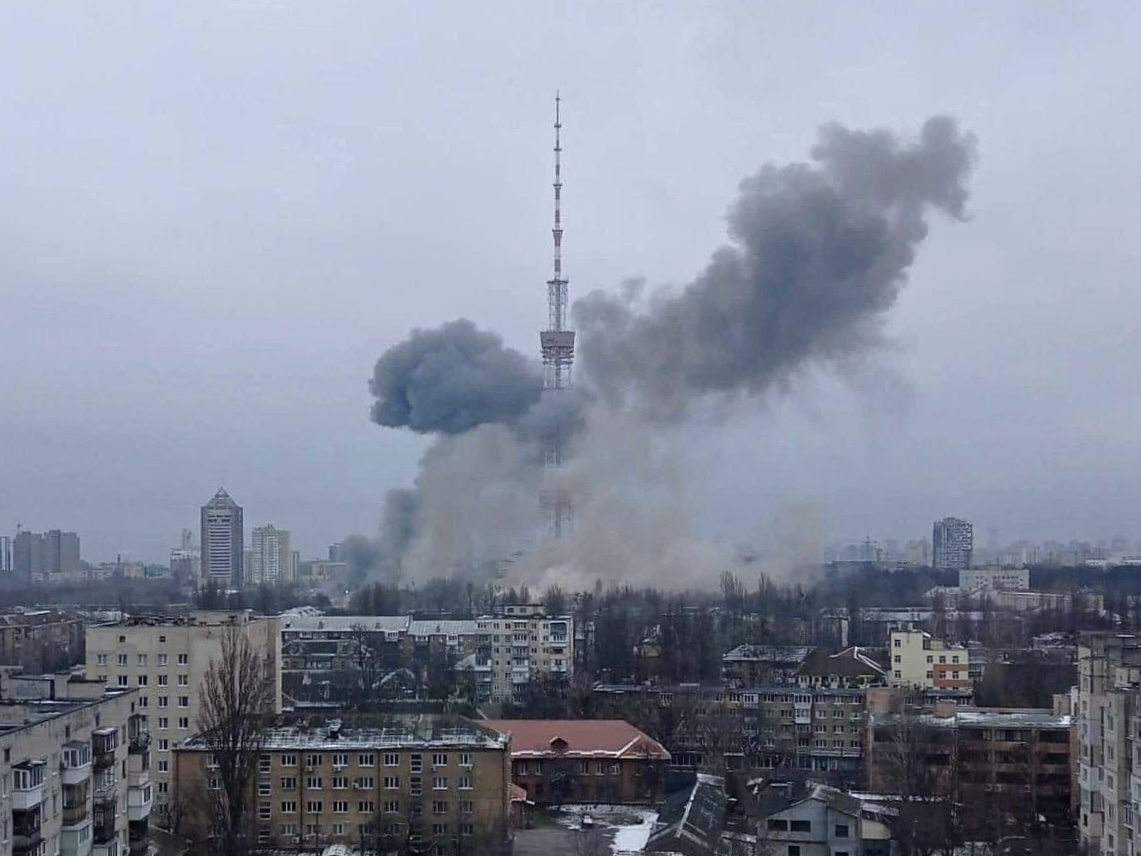
Israel’s Night‑Long Bombardment of Southern Lebanon Raises Escalation Risk on Northern Front
Israeli forces bombed southern Lebanon through the night into Friday morning, extending a cycle of cross‑border fire with Hezbollah and other Iran‑aligned groups. The sustained strikes deepen fears in Beirut, Jerusalem, and Western capitals that the northern front could tip from containment into a wider war dragging in Iran and the United States.
Israel intensified its northern campaign overnight, bombing multiple areas of southern Lebanon through the night and into the morning of 19 June, according to regional reports. The strikes, described as continuous rather than sporadic, come after months of cross‑border exchanges between Israeli forces and Hezbollah that have already displaced tens of thousands on both sides of the frontier.
Details on the specific targets and casualties from the latest bombardment were not immediately available, but the pattern of overnight activity suggests renewed Israeli efforts to hit militant infrastructure, launch sites and tunnel networks close to the border. A separate, terse note distributed earlier in the morning—“Israel strikes Lebanon”—points to a continuation, and escalation in tempo, of the same confrontation rather than a new front.
For civilians in southern Lebanon, the practical meaning is stark: more nights spent in basements or on the move, more villages where schools and clinics cannot safely operate, and more farmland turned into contested ground. Even when buildings are not directly hit, the rumble of airstrikes and artillery, the risk of unexploded ordnance, and the collapse in local commerce fray already thin social and economic resilience in a region that has lived through previous wars.
On the Israeli side, communities along the northern border remain on edge as rocket launches and anti‑tank missiles from Lebanon have forced periodic sheltering and evacuations. Each Israeli strike advertised as preemptive or retaliatory is meant to reassert deterrence, but it also adds to a ladder of escalation that both sides climb with each passing week. For reservists and active‑duty units, this means extended deployments and the constant risk that a localized exchange could suddenly widen.
Strategically, the sustained bombardment lands at a sensitive moment in broader regional diplomacy. Planned U.S.–Iran talks in Switzerland were canceled the same day, with Tehran citing ongoing combat in Lebanon as one reason to suspend its participation. That linkage underlines how deeply the Lebanese front is now embedded in the larger standoff between Israel, Iran and the United States—a front where a miscalculation could quickly undo fragile understandings over maritime security and nuclear constraints.
Hezbollah has framed its fire at Israel as solidarity with Palestinians and as a calibrated pressure tool rather than an all‑out bid for war. Israel has argued that its strikes inside Lebanon are necessary to push Hezbollah forces and weaponry away from the border. But the more both sides normalize nightly bombardments and precision strikes, the narrower the space becomes for either to back down without appearing to have lost resolve.
For European and Arab governments, the expanded intensity of Israeli strikes in Lebanon complicates efforts to broker localized ceasefires or security understandings. Energy companies with interests in Eastern Mediterranean gas fields and shipping routes are also watching closely, aware that a northern war could threaten offshore infrastructure and raise insurance costs across the basin.
One line worth remembering is that the northern front does not have to erupt into a 2006‑style full‑scale war to reshape the region; a steady grind of tit‑for‑tat strikes is already emptying villages, testing alliances and tightening the link between local skirmishes and global diplomacy.
The clearest indicators to watch now are whether Israel begins targeting deeper inside Lebanon beyond the immediate border belt, whether Hezbollah increases the range or sophistication of its rocket and drone attacks, and whether the United States or France can re‑engage both sides in talks over security arrangements that would allow displaced civilians to return home. Any visible shift in those areas will signal whether the conflict is edging toward containment or a much larger confrontation.
Sources
- OSINT