Ukraine Secures German Missiles and Joint ABM Program, Pressuring Russia’s Air Superiority
Germany has delivered a ‘three‑digit’ number of air‑to‑air missiles to Ukraine and agreed on a joint anti‑ballistic program and production of Ukrainian ground robots on German soil. Together with fresh pledges of Patriot, Mistral and Meteor missiles, the deals tighten the air‑defense and strike envelope over Ukraine and complicate Russia’s next moves.
Ukraine’s air and missile defenses are getting a significant upgrade, and this time the boost is not just about donations but about co‑production and shared industrial bets. Germany has supplied Kyiv with a triple‑digit number of air‑to‑air missiles from its own stocks and signed agreements to co‑develop an anti‑ballistic missile program and build Ukrainian ground robots in Germany, while additional European funds will finance new purchases of Patriot, Mistral and Meteor systems.
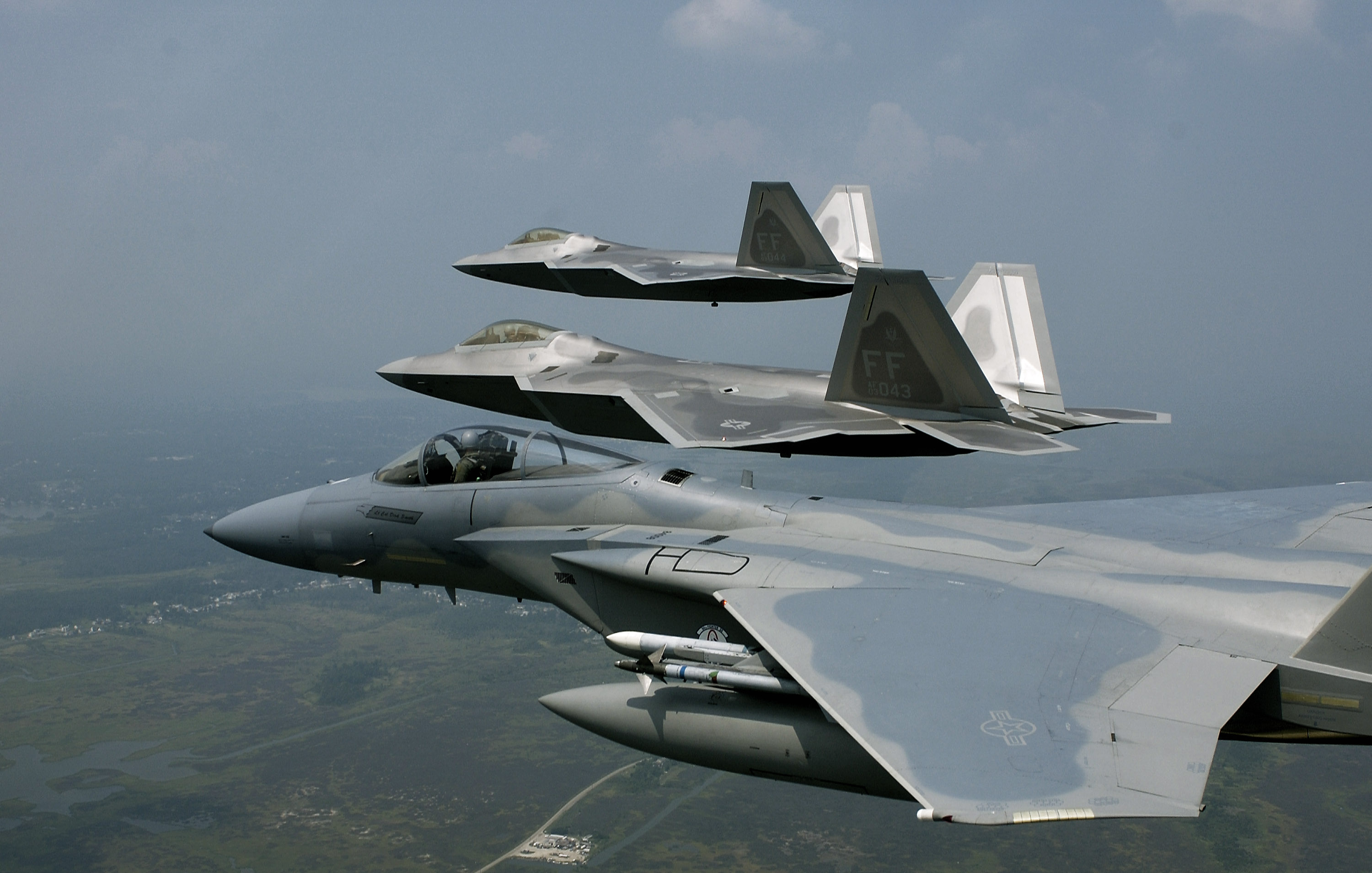
Berlin’s Defence Minister Boris Pistorius confirmed on 18 June that Germany has transferred a “three‑digit” quantity of air‑to‑air missiles to Ukraine, a formulation that implies at least 100 weapons and potentially several hundred. He coupled the announcement with a pointed assessment of Russia’s position, saying President Vladimir Putin had reached a “dead end” and that his invasion continues to impose enormous losses on Russian troops. The new missiles, drawn from German stocks, will feed directly into Ukraine’s efforts to contest Russian aviation near the front and to protect key cities from stand‑off glide bombs and cruise missiles.
Ukrainian officials, including Digital Transformation and deputy prime minister Mykhailo Fedorov, have sketched out the broader package agreed at the latest Ukraine Defense Contact Group meeting. In the near term, Ukraine is to receive additional interceptor missiles for its existing Patriot batteries. Using European credit facilities, Kyiv will also acquire Mistral man‑portable air‑defense systems and long‑range Meteor air‑to‑air missiles, significantly extending the reach of suitably equipped Ukrainian aircraft. Fedorov put the headline value of the day’s announced military assistance at around $4 billion, with the caveat that final figures could shift as pledges are firmed up.
Beyond the numbers, the deals change the daily risk calculus for pilots, air‑defense crews and civilians on both sides. For Ukrainian air crews, more modern missiles mean a better chance of surviving sorties near the front and of contesting Russian jets that have often operated with relative freedom just outside the engagement zones of Ukraine’s older systems. For Russian pilots, every additional Patriot launcher, Mistral team and Meteor‑equipped platform turns previously permissive airspace into a more lethal environment, raising the odds that missions to drop guided bombs or fire stand‑off weapons will end with a missile warning in the cockpit.
The agreement between Ukraine and Germany to develop an anti‑ballistic missile track and co‑produce Ukrainian “Termit” ground robotic systems on German territory adds another dimension. On the missile side, pairing Ukrainian experience under fire with German industrial and technological capacity aims to generate modern interceptors tailored to the kinds of threats Russia is actually using. On the robotics side, German funding for thousands of Ukrainian‑designed ground robots is both a bet on unmanned systems as a staple of future warfare and a statement that Ukraine’s defense tech sector will be built into Europe’s own industrial base, not left as a wartime curiosity.
Strategically, this deepening partnership complicates Russia’s hope of outlasting Western support. When allies move from shipping finished goods to embedding Ukrainian designs in their own factories, they create supply lines and political constituencies that are harder to unwind. For Moscow, that means that every glide bomb it drops on Ukrainian cities now risks triggering not just outrage but longer‑term investments in capabilities explicitly designed to defeat Russian weapons.
The broader European mood was summed up by EU Commission President Ursula von der Leyen, who spoke of a “special momentum” and said she believed the “tide is turning,” pointing to Ukraine’s ability to hold the line and even retake some ground. She highlighted a planned €90 billion loan package over two years to sustain Ukraine, vowing support “for as long as it takes.” Combined with London’s pledge to finance 150,000 Ukrainian‑made drones and hundreds of air‑defense missiles using proceeds from seized Russian assets, the signals point toward a sustained, not shrinking, Western pipeline.
The shareable insight here is straightforward: when Ukraine’s air defenses and drone fleets are increasingly co‑produced in NATO countries, Russia is no longer just fighting a neighboring army, but a supply chain that runs through European factories and parliaments. The next markers to watch include how quickly the new German‑supplied missiles appear at the front, whether the joint anti‑ballistic program yields prototypes fast enough to matter in this war rather than the next, and how Russia adjusts its air operations as its pilots test the edges of a denser and more modern Ukrainian air‑defense web.
Sources
- OSINT