Hezbollah’s FPV drone war on IDF positions pushes Israel’s northern front into a new phase
Hezbollah has released a string of videos showing FPV drone and rocket attacks on Israeli tanks, soldiers and positions deep in southern Lebanon, even as Israeli ministers reject being bound by any U.S.–Iran deal. The footage points to a maturing drone battlefield along Israel’s northern border, raising the risk of miscalculation just as regional powers talk de‑escalation.
The videos are grainy but the message is sharp: Hezbollah is leaning hard into a drone‑centric fight along Israel’s northern border, even as its patron Iran talks about a regional ceasefire. Newly released footage from the group shows FPV drones hitting Israeli tanks and infantry, alongside salvos of rockets aimed at positions north of the Litani River—attacks that highlight how the northern front is evolving into a high‑tech, low‑visibility war.
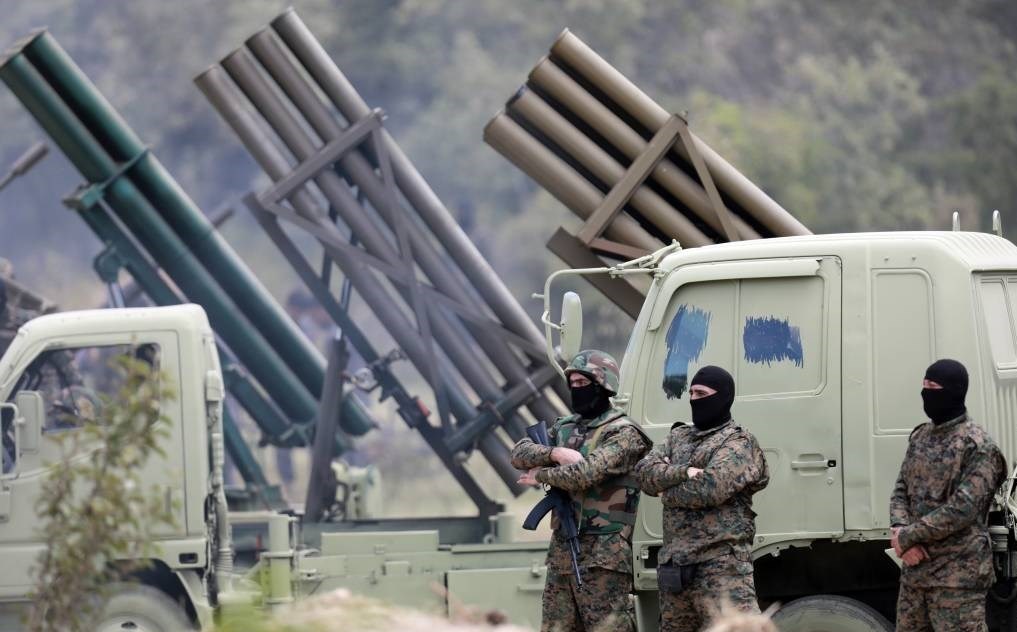
In a series of clips released on 15 June, Hezbollah showcased an FPV drone strike on an Israeli Merkava tank near the historic Beaufort Castle in southern Lebanon, north of the Litani. Separate footage showed another FPV drone homing in on a group of four Israel Defense Forces soldiers in the town of Zawtar El Charqiyeh, also north of the river. The group claimed the strike likely caused serious injuries to at least two of the soldiers. Additional videos captured the launch of a kamikaze drone toward IDF positions in Naqoura and long‑range rocket and Fadjr‑3 artillery fire toward Israeli positions near Beaufort and the town of Dibbine.
These are not isolated shots. Combined, they point to a pattern in which Hezbollah is using relatively cheap, expendable drones to bypass or saturate Israeli defenses and to impose constant pressure on small IDF outposts, armored units and patrols. FPV drones, controlled by operators wearing goggles that give a first‑person view from the drone’s camera, can be steered into vehicles, bunkers or personnel with considerable precision. Hezbollah’s publicizing of the footage is as much psychological warfare as battle damage assessment, aimed at its domestic audience, its fighters and its adversaries.
For Israeli soldiers deployed along the border, this shift means that every exposed vehicle, trench or movement can become a target without warning, even in areas that once felt like the rear. Tank crews now have to worry not only about anti‑tank missiles and mines but about small, hard‑to‑detect drones diving vertically onto their vehicles. Infantry units, caught in open ground or near fortifications, face a threat that can loiter and adjust course in the last seconds of its flight.
On the Israeli side, there have been no official acknowledgments of the specific incidents shown in Hezbollah’s videos, which is consistent with long‑standing practice. But the attacks come as Israel intensifies controlled demolitions and engineering activity in southern Lebanese villages such as Tabnit, according to Lebanese reporting, part of a broader effort to degrade Hezbollah infrastructure close to the border.
The tactical escalation unfolds against a strategic backdrop that is anything but settled. Iran’s deputy foreign minister has been touting a draft memorandum with the United States that he says will bring an “immediate and permanent” end to hostilities on all fronts linked to Iran, including Lebanon. Yet in Israel, National Security Minister Itamar Ben‑Gvir has already insisted that any such agreement “does not bind us,” calling Israel an independent and sovereign state and rejecting any plan that falls short of Hezbollah’s disarmament or requires Israel to withdraw from territory its forces currently hold.
The implication is clear: even if Washington and Tehran sign a memorandum, the localized conflict dynamics between Israel and Hezbollah—shaped by border incidents, casualty counts and domestic politics—could continue on their own logic. Hezbollah’s use of FPV drones and rockets against IDF positions north of the Litani, in apparent contravention of past understandings about the group’s presence in that zone, underscores how far those older frameworks have eroded.
For civilians on both sides of the border, the evolving drone war raises the risk that a single strike causing mass casualties could trigger a wider escalation. Precision FPV attacks that today target small units and armored vehicles could, with minor adjustments, hit civilian infrastructure or residential buildings near the front. Israel’s responses—whether via airstrikes deep into Lebanon or expanded ground raids—would then risk pulling in more actors and testing whatever regional ceasefire understandings Iran and the U.S. manage to conclude.
A useful way to think about this moment is that northern Israel and southern Lebanon are becoming a live laboratory for relatively inexpensive, precision drone warfare between a state military and a non‑state actor. The risk is no longer theoretical for armored brigades or infantry platoons; it is an operational reality captured in Hezbollah’s own camera feeds.
In the days ahead, key signals to watch will be whether Hezbollah scales up the frequency or range of its FPV and rocket attacks, how Israel adapts its force posture and counter‑drone defenses along the border, and whether any eventual U.S.–Iran memorandum includes explicit language on Hezbollah’s activities north of the Litani. If battlefield behavior diverges sharply from the diplomatic script, the northern front could become the first major stress test of any broader regional de‑escalation deal.
Sources
- OSINT