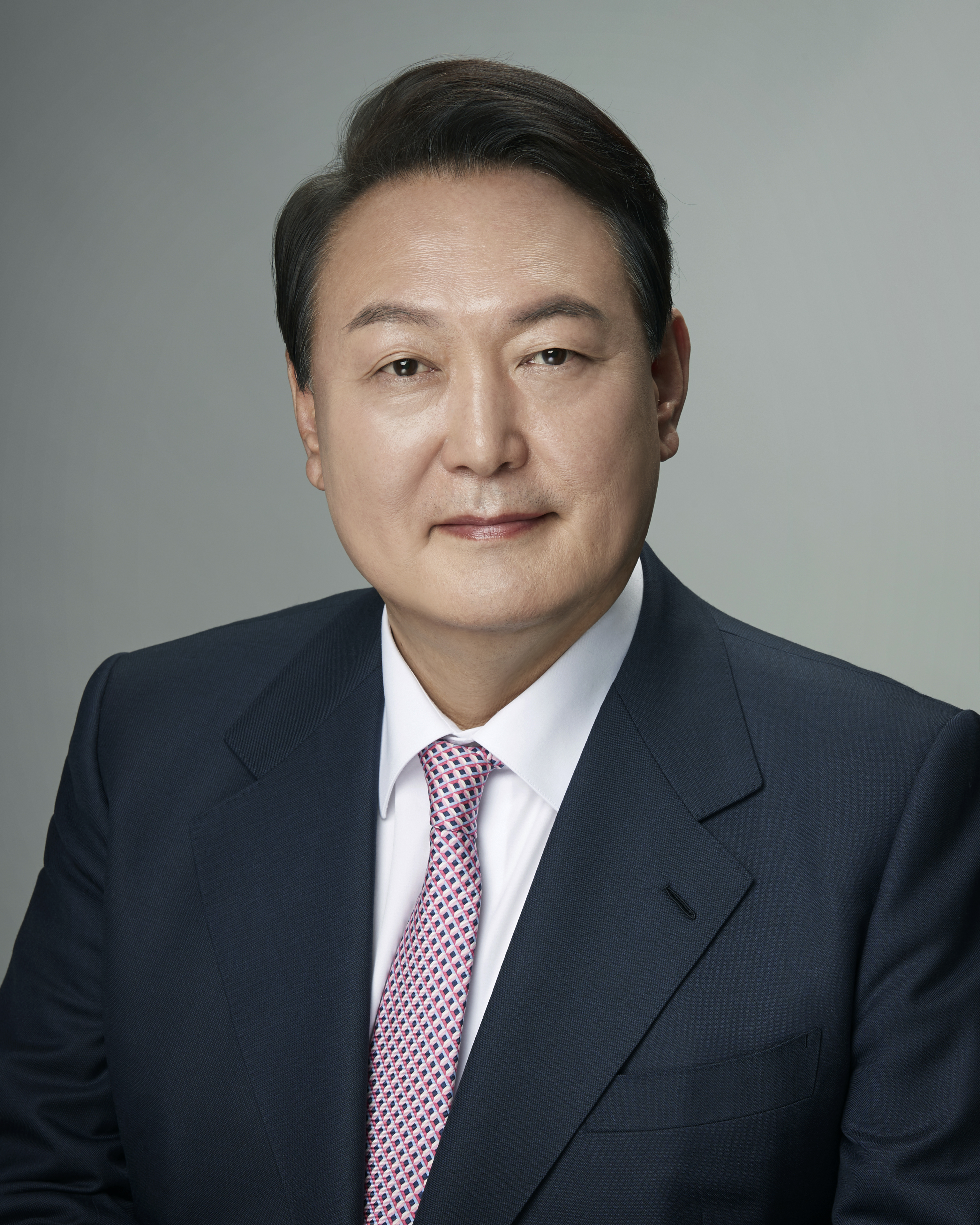
Yoon’s 30‑Year Sentence Shakes South Korea’s Civil–Military Boundaries
Former South Korean president Yoon Suk Yeol has been sentenced to 30 years in prison for abusing power and aiding the enemy in a drone operation over Pyongyang that prosecutors say was meant to pave the way for martial law. The verdict turns an obscure 2024 drone mission into a test case for how far an elected leader can bend security tools for political survival.
South Korea has drawn a hard line through its own recent past. Former president Yoon Suk Yeol has been sentenced to 30 years in prison by a Seoul court for authorizing drone flights over Pyongyang in 2024 — an operation prosecutors argued was designed to manufacture crisis conditions for a declaration of martial law. The punishment is among the harshest ever handed to a former civilian leader in a country that has swung repeatedly between military and democratic rule.
The Seoul Central District Court found Yoon guilty of abuse of power and aiding the enemy, accepting prosecutors’ contention that the drone operation was not a legitimate reconnaissance mission but a calculated attempt to provoke North Korea and justify emergency measures that would concentrate power in the presidency and security apparatus. Details of the classified operation remain sparse in public filings, but the court’s verdict framed it as a misuse of state security tools for personal and political gain. Yoon has the right to appeal, and his legal team is expected to challenge both the factual findings and the severity of the sentence.
For ordinary South Koreans, the case is a reminder that the line between national security and domestic politics can be perilously thin. Citizens who live under constant North Korean threat rely on their leaders to distinguish genuine defense from theatrics or manipulation. A court’s judgment that a former president crossed that line — and in doing so “aided the enemy” by inflaming tensions — cuts to the heart of public trust. It also leaves Yoon’s supporters struggling with a future in which their onetime standard‑bearer may spend decades in prison, and his opponents grappling with the precedent set for criminalizing the national‑security decisions of elected leaders.
Strategically, the verdict sends several signals at once. To the South Korean military and intelligence community, it is a warning that following orders does not erase individual responsibility if those orders are later deemed to be politically motivated or illegal. To North Korea, it underlines the domestic constraints on Seoul’s ability to engage in risky signaling or covert pressure tactics; attempts to game crisis dynamics now carry not just diplomatic fallout but potential criminal liability at the highest level.
The case also reverberates beyond the peninsula. In a region where civil–military relations remain fragile in several democracies, the image of a former president convicted over a security operation will be studied carefully. Allies may see it as proof that South Korea’s institutions can hold powerful figures accountable when they manipulate threat perception. Critics may warn of the opposite risk: that future presidents, fearful of legal exposure, become over‑cautious in responding to genuine provocations from Pyongyang, Beijing or elsewhere.
What changes if this ruling holds is not just one man’s fate, but how future crises are managed in Seoul. Presidential advisers and commanders will be under pressure to document legal justifications, consult broadly, and insulate operational planning from political timelines such as elections or contentious legislative battles. Prosecutors have already shown in this case that they are willing to connect dots between classified operations and domestic power plays; that knowledge will hang over every major security decision going forward.
In the nearer term, the sentence will intensify partisan polarization. Yoon’s allies are likely to frame the trial as victor’s justice; his opponents will present it as overdue accountability. That domestic struggle could complicate coordination with the United States and Japan if it spills into debates over extended deterrence, trilateral exercises or intelligence sharing. A South Korean political class consumed by the legacy of Yoon’s presidency may find it harder to muster unity on North Korea policy when it counts.
Key Takeaways
- Former South Korean president Yoon Suk Yeol has been sentenced to 30 years in prison for abuse of power and aiding the enemy.
- The case centers on a 2024 drone operation over Pyongyang that prosecutors argued was intended to create a crisis to justify martial law.
- The Seoul Central District Court accepted that the mission was politically motivated rather than a legitimate security operation.
- The verdict sends a strong signal on civil–military boundaries and personal accountability for security decisions in South Korea’s democracy.
- The ruling will shape future crisis management, legal risk calculations for officials, and domestic debates over how to handle North Korean threats.
Outlook & Way Forward
Appeals will determine whether Yoon’s 30‑year sentence stands, but regardless of the final term, the legal reasoning will shape how future presidents and commanders approach risky operations. Expect more formalized legal vetting of covert and gray‑zone actions, and closer scrutiny by legislators and the press when security crises align with domestic political pressures.
For regional partners, the priority will be ensuring that South Korea’s internal reckoning does not weaken deterrence against Pyongyang or slow coordination on missile defense and intelligence. Over time, the case could strengthen democratic resilience if it deters the politicization of national security; in the short term, it injects another layer of uncertainty into an already volatile security environment on the Korean Peninsula.
Sources
- OSINT