Hezbollah Rockets and Israeli Strikes Widen Lebanon’s Human Cost and Escalation Risk
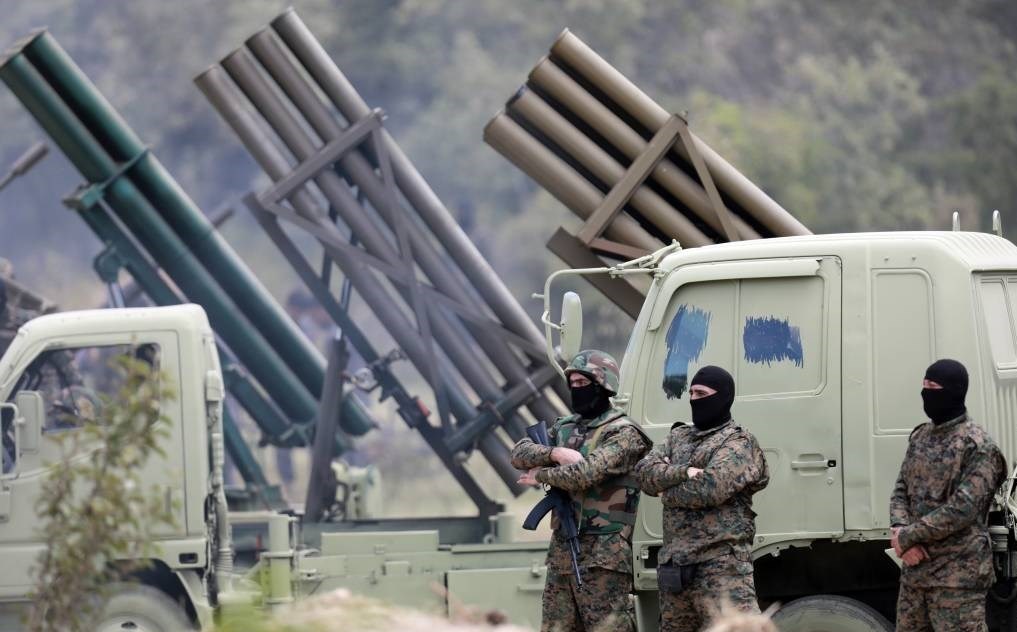
Hezbollah fired rockets into northeastern Israel as Israeli forces operated in southern Lebanon, prompting sirens and impacts near IDF troops, while Israeli airstrikes in southern Lebanon reportedly killed six more people and pushed the death toll from months of conflict into the thousands. The cross‑border exchange keeps civilians on both sides living under alarms and turns each new burst of fire into a test of how close the front comes to a wider war.
The low‑intensity war along the Israel–Lebanon border continues to extract a high human price, with new rocket launches from Hezbollah and fresh Israeli airstrikes adding casualties to a conflict that shows no signs of burning out. Each volley deepens the sense that the frontier is now a semi‑permanent war zone where civilians and soldiers alike live one miscalculation away from a broader conflagration.
On 11 June, sirens sounded in northeastern Israel as Hezbollah launched rockets from southern Lebanon toward Israeli territory. The Israel Defense Forces (IDF) reported that two Hezbollah rockets impacted an area near where Israeli forces were operating across the border in southern Lebanon. Unlike after earlier such incidents, the IDF did not explicitly state that there were “no casualties,” leaving open questions about the immediate human toll on Israeli troops. Earlier alerts had already sounded in the region as launch activity from Lebanon was detected.
For residents of northern Israel, the stark routine continues: sirens, dashes to shelters, and anxious waits for all‑clear messages that sometimes never come. Those living near the border work and raise families knowing that rocket flight times are measured in seconds, not minutes. On the Lebanese side, civilians in the south endure a different but equally grinding pattern—watching for the telltale signs of incoming Israeli aircraft and calculating how close they live to suspected Hezbollah positions. New Israeli strikes in southern Lebanon reportedly killed six people, with local tallies putting the total number of dead since March at 3,696 and the wounded at 11,413, underscoring the heavy burden on Lebanese communities already battered by economic crisis.
Strategically, Hezbollah’s rocket launches serve as both deterrent signaling and political messaging. By firing toward areas where Israeli forces are operating in southern Lebanon, the group reminds Israel that ground activity across the border will not go unchallenged. For Israel, continued airstrikes are intended to degrade Hezbollah’s capabilities, push launch teams back from the frontier, and reassure Israeli citizens that the state is not tolerating an unchecked buildup on its northern flank.
Yet the risk is structural: both sides are operating under compressed decision timelines, thick fog of war, and domestic political pressures that reward toughness more than restraint. An Israeli strike that produces high civilian casualties in Lebanon, or a Hezbollah rocket that kills large numbers of Israelis, could rapidly shift calculations in favor of a much larger campaign. That would draw in international actors—from the United States and European states to Iran and regional Arab governments—who all have stakes in preventing a second large‑scale front alongside the conflict in Gaza.
If the current pattern holds—Hezbollah launches calibrated rocket fire, Israel responds with targeted but lethal strikes—border communities face a prolonged period in which normal life is impossible. Lebanese hospitals in the south will have to keep operating in crisis mode, managing mass casualties on top of chronic shortages. Israeli authorities must sustain shelter infrastructure, mental health support, and economic assistance to towns where commercial activity is repeatedly disrupted by alarms and evacuations.
Key Takeaways
- Hezbollah launched rockets from southern Lebanon into northeastern Israel on 11 June, with two rockets impacting near Israeli forces operating across the border.
- The IDF broke from earlier practice by not immediately stating that there were no casualties, raising questions about the impact on Israeli troops.
- Israeli airstrikes in southern Lebanon reportedly killed six people, with local counts citing 3,696 dead and 11,413 wounded since March.
- Civilians in northern Israel and southern Lebanon remain trapped in a cycle of sirens, strikes and displacement as the border area functions as a de facto war zone.
- The continued low‑level exchange maintains a constant escalation risk that could draw in wider regional and international actors if a single incident crosses informal red lines.
Outlook & Way Forward
In the near term, neither Israel nor Hezbollah appears eager to escalate to an all‑out war, but both are demonstrating a willingness to absorb and inflict casualties to maintain deterrence narratives. That keeps the threshold for major fighting uncomfortably low, especially if misjudgments about the other side’s tolerance for pain or mis‑targeted munitions produce large‑scale civilian deaths.
Regional and international mediators will continue working behind the scenes to solidify informal understandings that limit the types and ranges of weapons used near the border. However, as long as both parties see military activity along the frontier as a necessary part of their broader strategic posture, border communities will be asked to live with the constant risk that their towns become the flashpoint everyone else is trying to avoid.
Sources
- OSINT