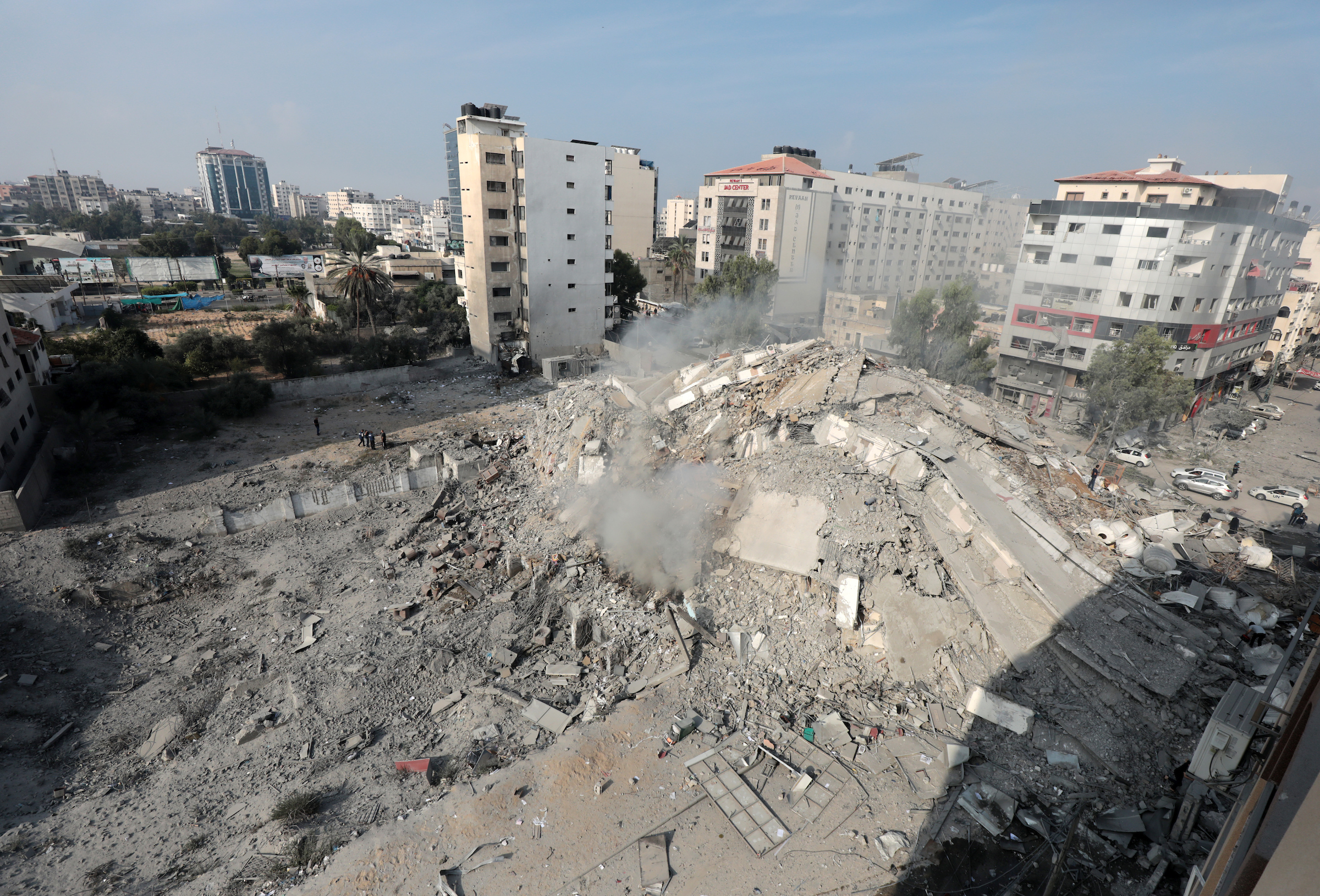
Israeli Airstrikes on Southern Lebanon Intensify Border Pressure and Put Villages in the Crosshairs
The Israeli military struck multiple locations across southern Lebanon, including areas near Tyre and villages in the Nabatieh and Sidon districts, targeting rocket launchers and FPV‑drone sites. The attacks leave residents in border communities once again living beside active launch pads and potential retaliation routes, as Israel and Hezbollah test how far they can push the frontier without tipping into wider war.
Southern Lebanon woke up to another morning of explosions and low‑flying jets as Israeli forces expanded their list of targets along the border strip. For residents, the names of villages hit—Tyre’s outskirts, Bnaafoul in the Sidon district, Nabatieh al‑Fawqa and Kfar Raman in Nabatieh—are no longer just dots on a map. They are the places where fields, homes, and makeshift launch pads now sit in uneasy proximity.
In a statement issued early on 10 June, the Israel Defense Forces (IDF) said they carried out a wave of airstrikes against six locations in and around the southern city of Tyre. According to the IDF, the targets included a site used to launch FPV (first‑person‑view) attack drones and multiple loaded rocket launchers. In parallel, additional airstrikes were reported in villages across southern Lebanon, including Bnaafoul in the Sidon district and Nabatieh al‑Fawqa and Kfar Raman in the Nabatieh district. Lebanese authorities and Hezbollah‑linked channels had not yet provided full casualty or damage figures at the time of reporting.
For people living in these areas, each strike compounds a steady erosion of normal life. Farmers in Bnaafoul and Kfar Raman have seen orchards and fields increasingly crisscrossed by the infrastructure of war—camouflaged firing positions, access tracks, and hastily dug shelters. Families are forced to decide whether to stay in homes that lie close to suspected launch sites or join the growing number of displaced heading north. In Tyre and surrounding villages, the tourism‑ and service‑based economy is hit by repeated air raids: hotels sit empty, beachfront cafes close early, and parents weigh letting children attend school against the risk of being caught on the road during a strike.
Strategically, the latest attacks show Israel’s intent to widen its target set beyond immediate border fence areas, focusing on what it describes as the enabling infrastructure of Hezbollah and allied groups. By striking FPV‑drone launch locations and pre‑loaded rocket platforms, the IDF is trying to disrupt both short‑notice harassment fire and deeper precision attacks into northern Israel. These operations also signal to Hezbollah leadership that Israel is prepared to hit further afield in Lebanon if rocket and drone fire continues, even at the cost of drawing criticism for strikes near populated areas.
Hezbollah, for its part, has framed its own rocket and drone launches as solidarity fire in support of Palestinians and as calibrated responses to Israeli moves. The deeper Israel reaches into southern Lebanon, the more pressure Hezbollah faces to demonstrate that deterrence still runs both ways. That gives the group an incentive to respond with its own strikes on Israeli military positions or northern communities, always running the calculation of how to show resolve without triggering a full‑scale war neither side publicly says it wants.
If the cycle persists, several pressure points will sharpen. Lebanese state institutions, already financially and politically weakened, will be pushed to manage displacement, damaged infrastructure, and popular anger with limited resources. UN peacekeepers in the UNIFIL mission will find themselves working a thinner line between increasingly active fronts, with less room to act as a buffer. In Israel, residents of northern communities who have already endured evacuations and intermittent rocket fire will press their government to either secure a more stable ceasefire or escalate decisively.
Key Takeaways
- The IDF reported striking six targets in and near Tyre, including FPV‑drone launch sites and loaded rocket launchers.
- Additional Israeli airstrikes hit villages in southern Lebanon’s Sidon and Nabatieh districts, including Bnaafoul, Nabatieh al‑Fawqa, and Kfar Raman.
- Civilian communities in southern Lebanon face mounting disruption, with agriculture, local commerce, and schooling repeatedly interrupted by cross‑border fire.
- The expanded target set reflects Israel’s effort to degrade Hezbollah’s launch capabilities while testing how far it can push operations without triggering a larger conflict.
Outlook & Way Forward
In the short term, the pattern points toward continuing tit‑for‑tat exchanges, with Israel focusing on what it defines as tactical infrastructure and Hezbollah calibrating responses to maintain its image of resistance while avoiding a broader, Gaza‑style confrontation. Each new location struck or launcher destroyed becomes part of a running ledger both sides use to measure deterrence.
Longer term, the risk is that normalization of strikes deeper into southern Lebanon makes miscalculation more likely. A single incident with high civilian casualties or a successful hit on a high‑profile Israeli target could tip decision‑makers into escalation they have thus far tried to avoid. Diplomatic efforts—from European capitals to Washington and regional actors—will have to grapple with how to rebuild or update understandings that kept the border comparatively quiet in past years, before villages like Bnaafoul and Kfar Raman became familiar names on daily strike lists.
Sources
- OSINT